
Top 400 Museums in the World – The Complete Global Museum Ranking
The Top 400 Museums in the World is a complete global guide to the museums that define culture, history, art, science, architecture, memory, and travel. From world-famous national collections to remarkable specialist museums, this ranking is designed to help visitors discover the museum experiences that are truly worth planning a trip around.
A great museum is more than a famous name. The best museums in the world combine important collections, strong storytelling, memorable buildings, thoughtful exhibitions, visitor-friendly layouts, and a clear sense of cultural importance. Some museums are known for masterpieces. Others are known for archaeology, design, science, history, modern culture, local identity, or the power of the stories they preserve.
This ranking brings those strengths together in one global list. It is made for travelers, museum lovers, families, students, researchers, and anyone looking for the best museums to visit around the world.
Why This Ranking Matters
There are thousands of museums across the world, but only some become essential cultural destinations. Some museums are important because they hold objects that changed history. Others stand out because they explain a city, a country, a people, a movement, or a moment in time better than anywhere else.
The Top 400 Museums in the World gives visitors a broader way to explore the museum world. It is not only about the biggest museums or the busiest museums. It is about museums that offer real value: cultural value, educational value, travel value, and visitor experience.
For anyone planning a museum trip, this ranking helps answer a simple question: which museums are most worth your time?
How the Top 400 Museums Are Ranked
The ranking looks at museums through a visitor-focused and culture-focused lens. A museum can be world-class for many different reasons, so the list considers overall quality rather than one single measurement.
Important factors include collection quality, historical importance, exhibition strength, architecture, visitor experience, accessibility, international reputation, storytelling, educational value, location, and overall travel appeal.
This approach allows major global icons and outstanding smaller museums to appear together. A museum does not need to be enormous to be one of the best in the world. It needs to offer a meaningful, memorable, and well-presented experience.
The Top 400 Museums in the World
Below is the complete ranking of the Top 400 Museums in the World. Use it as a museum bucket list, a travel planning tool, or a guide to discovering the strongest cultural destinations across the globe.
Each museum in the ranking has been selected for the quality of its collection, the strength of its visitor experience, and its wider importance as a cultural destination.
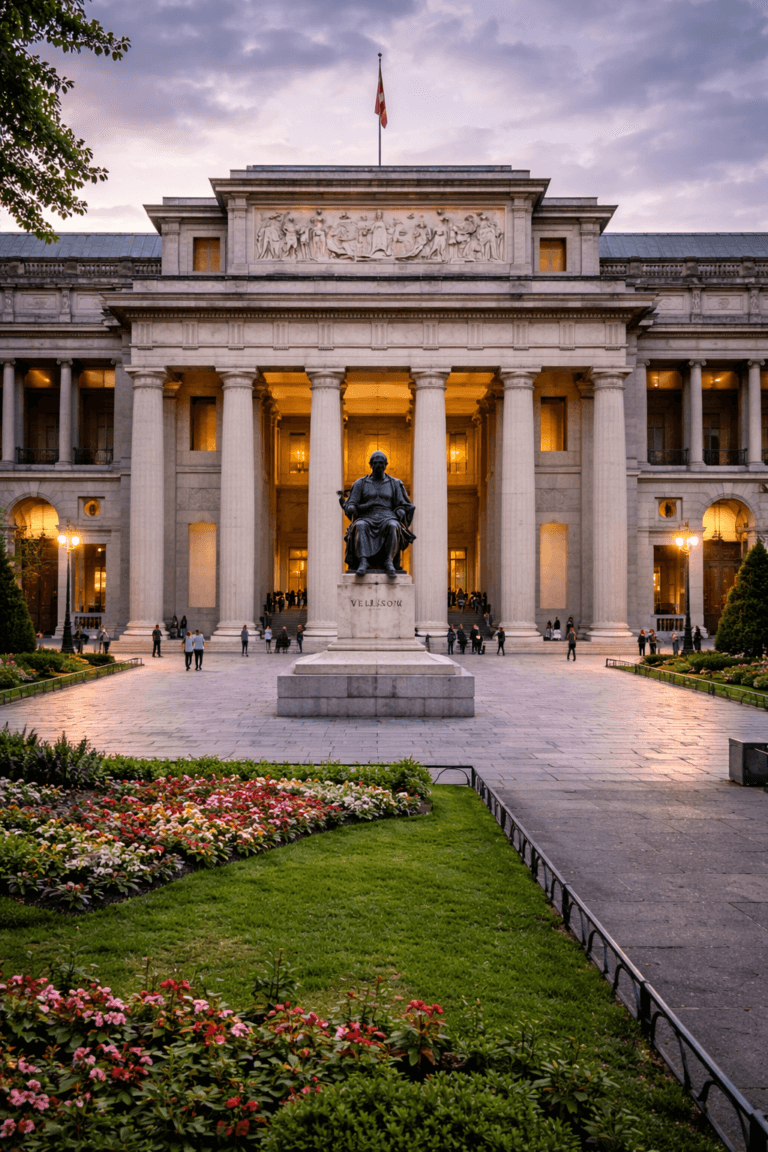
Prado Museum Review
European Master Painting · Madrid, Spain A Museum of Sovereign Painting The Prado Museum does not attempt to…
Read review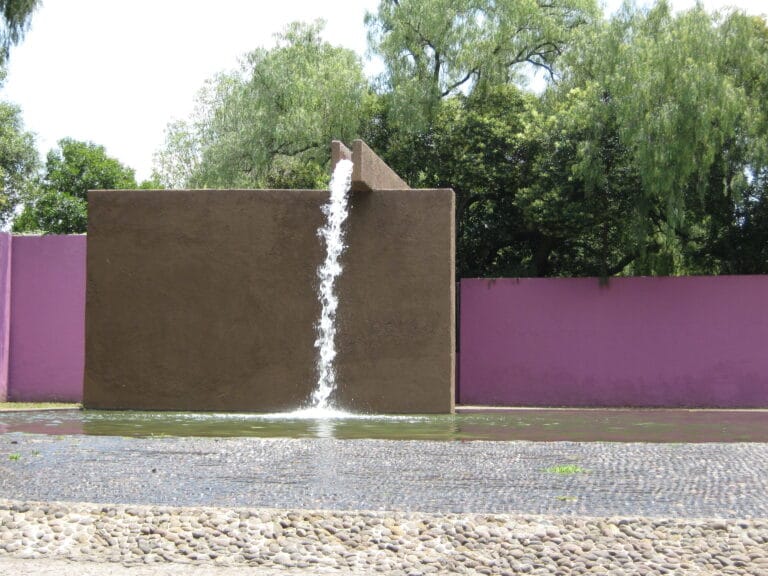
Museum of Modern Art (MoMA) Review
Museum of Modern Art (MoMA) Modernism as Canon The Museum of Modern Art in New York does not…
Read review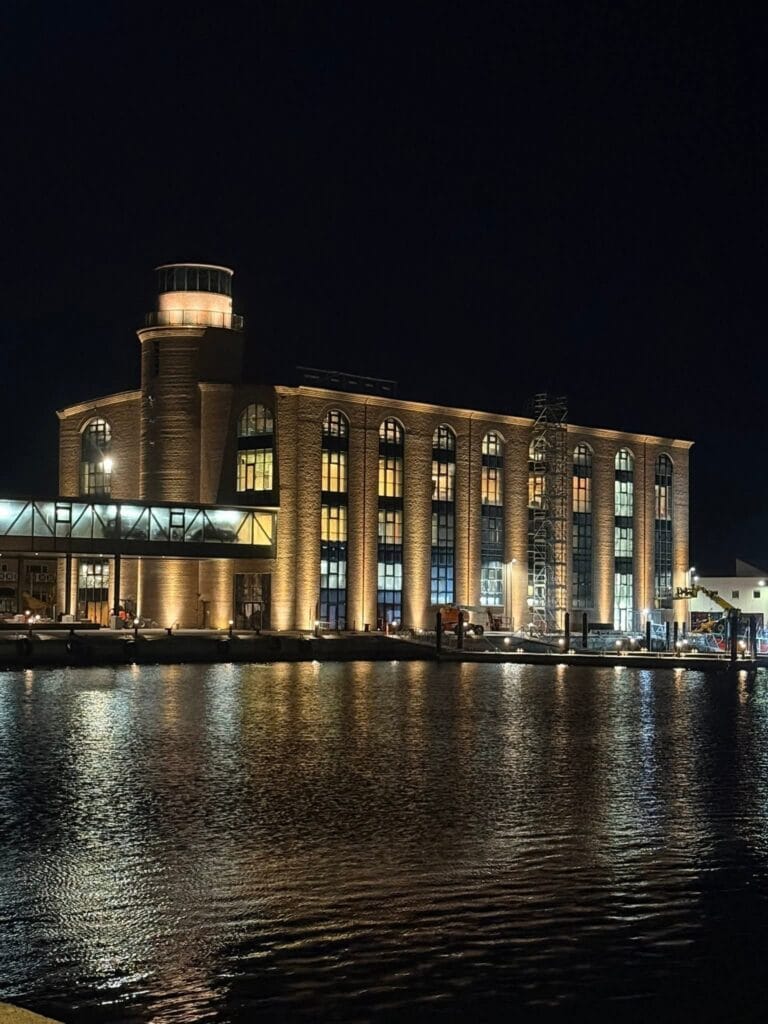
Maskinrummet Review
Walking into Maskinrummet does not feel like entering a traditional museum. It feels like stepping into a living…
Read review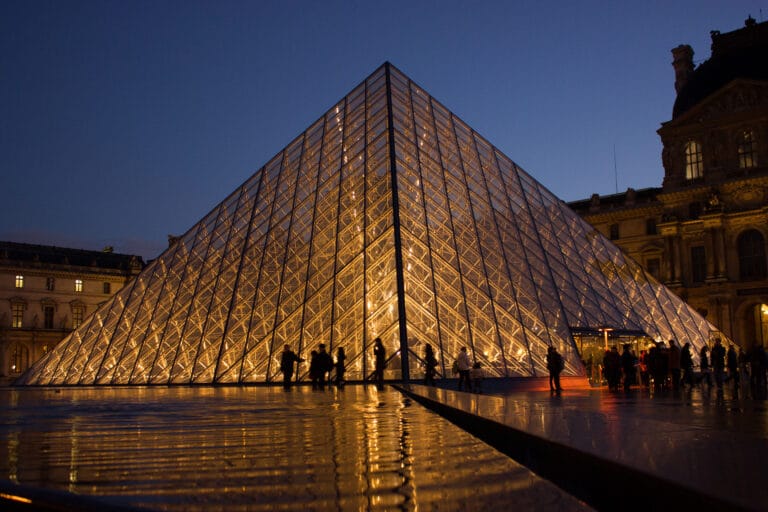
The Louvre Review
A world-class Paris museum experience, combining iconic masterpieces, grand architecture, and centuries of cultural history.
Read review
British Museum Review
World History & Civilisations · London, United Kingdom An Empire of Objects The British Museum does not ease…
Read review
Egyptian Museum Review
Ancient Egyptian Art & Antiquities · Cairo, Egypt A Museum Suspended in Time The Egyptian Museum in Cairo…
Read review
Vatican Museums Review
A Corridor Through Power and Faith Few museums in the world carry the same fusion of spiritual authority…
Read review
Palace Museum Review
Palace Museums · Beijing, China. The Palace Museum, situated in the heart of Beijing, China, stands as one…
Read review
Rijksmuseum Review
Rijksmuseum Art & History · Amsterdam, Netherlands A National Museum with Global Presence The Rijksmuseum does not overwhelm…
Read review
Uffizi Gallery Review
Renaissance Masterpieces · Florence, Italy The Birthplace of Perspective The Uffizi Gallery does not feel like a museum…
Read review
Nanjing Museum Review
Art Museums · Nanjing, China. The Nanjing Museum stands as one of China’s premier cultural institutions, reflecting the…
Read review
Shenzhen Museum Review
First Impressions Shenzhen Museum is not designed to overwhelm visitors with imperial grandeur or blockbuster fame. Its appeal…
Read review
Tate Modern Review
Modern & Contemporary Art · London, United Kingdom Industrial Power Reframed Tate Modern does not begin with ornament.…
Read review
National Palace Museum Review
National Palace Museum A Collection Carried Across History The National Palace Museum in Taipei does not simply display…
Read review
Metropolitan Museum of Art Review
Metropolitan Museum of Art A Museum of Civilisations Under One Roof The Metropolitan Museum of Art does not…
Read review
Shanghai Museum Review
Art Museums · Shanghai, China. The Shanghai Museum, located in the heart of China’s largest city, stands as…
Read review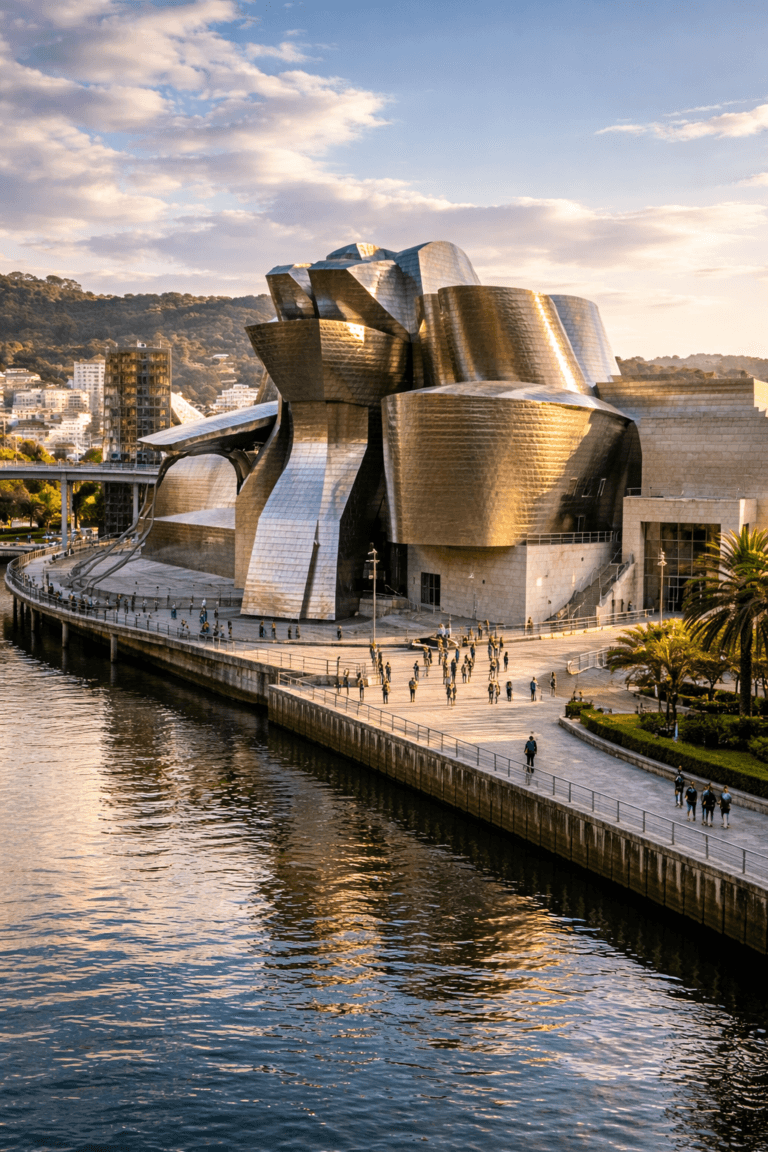
Guggenheim Museum Bilbao Review
Guggenheim Museum Bilbao Modern & Contemporary Art · Bilbao, Spain Architecture as Catalyst The Guggenheim Museum Bilbao is…
Read review
Van Gogh Museum Review
Opening impression The Van Gogh Museum is designed for momentum: you move efficiently through the entrance and then…
Read review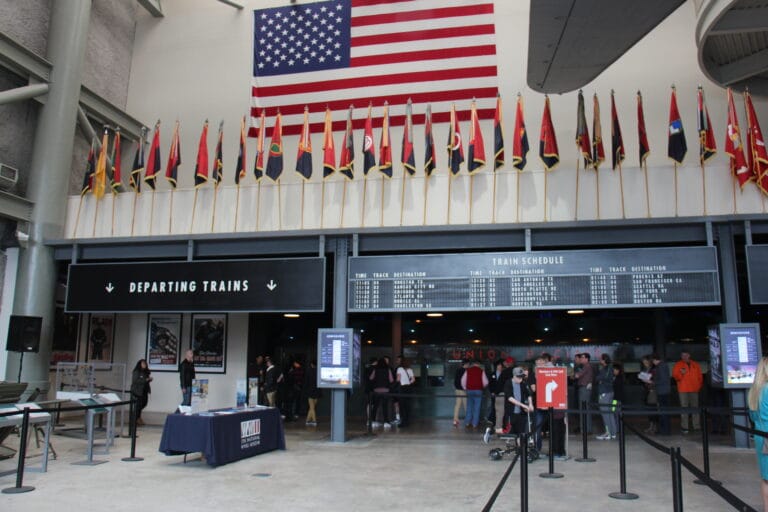
The National WWII Museum Review
The National WWII Museum Military History · New Orleans, United States A Museum Built on Immersion The National…
Read review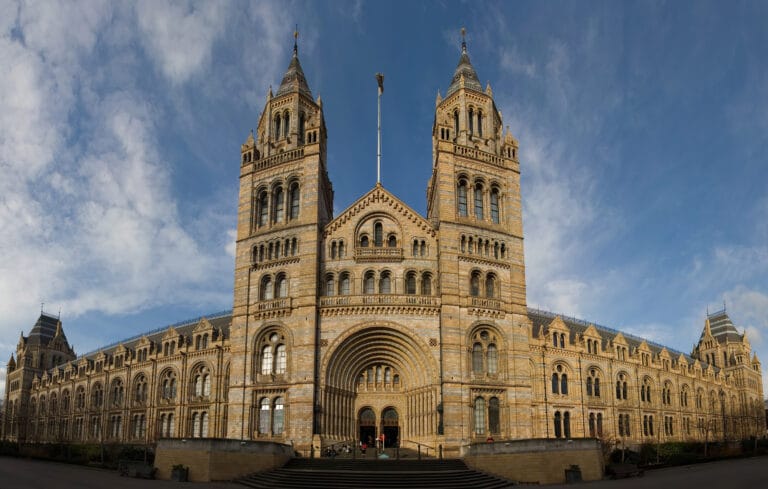
Natural History Museum London Review
Natural History Museums · London, United Kingdom. The Natural History Museum in London stands as an emblem of…
Read review
Galleria dell Accademia Florence Review
Art Museums · Florence, Italy. The Galleria dell'Accademia in Florence, Italy, stands as a vital repository of Renaissance…
Read review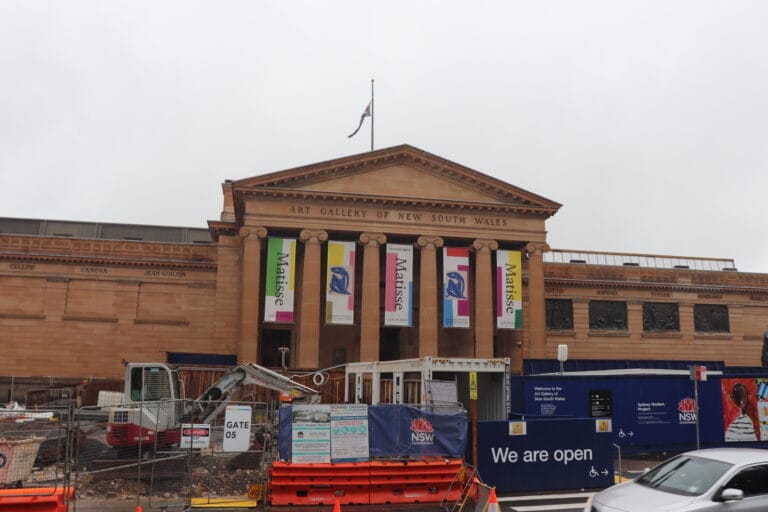
Art Gallery of New South Wales Review
Art Museums · Sydney, Australia. The Art Gallery of New South Wales, located in Sydney, Australia, holds a…
Read review
Etihad Museum Review
History Museums · Dubai, United Arab Emirates. The Etihad Museum in Dubai serves as a significant cultural beacon…
Read review
Frick Collection Review
Art Museums · New York, United States. The Frick Collection, situated in New York City, stands as a…
Read review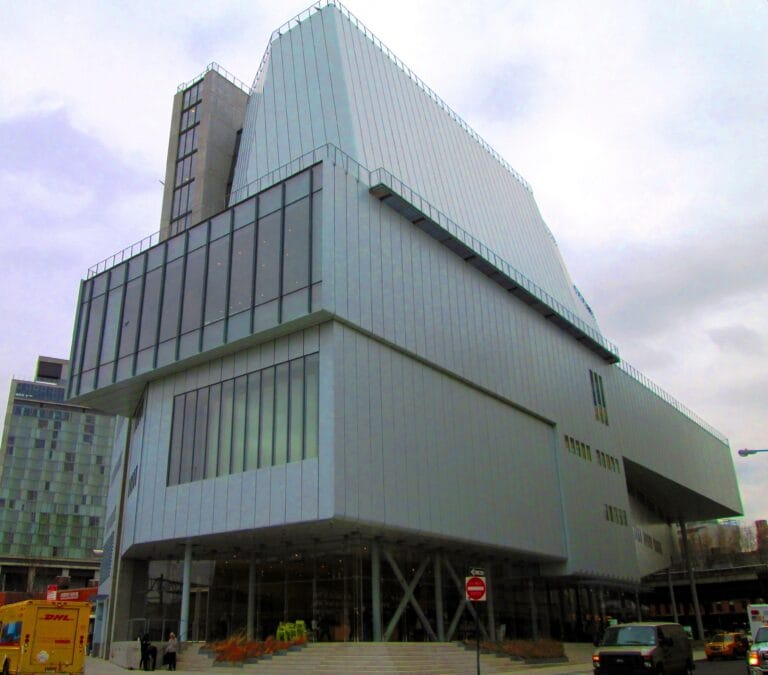
Whitney Museum of American Art Review
Art Museums · New York, United States. The Whitney Museum of American Art, established in 1930, holds a…
Read review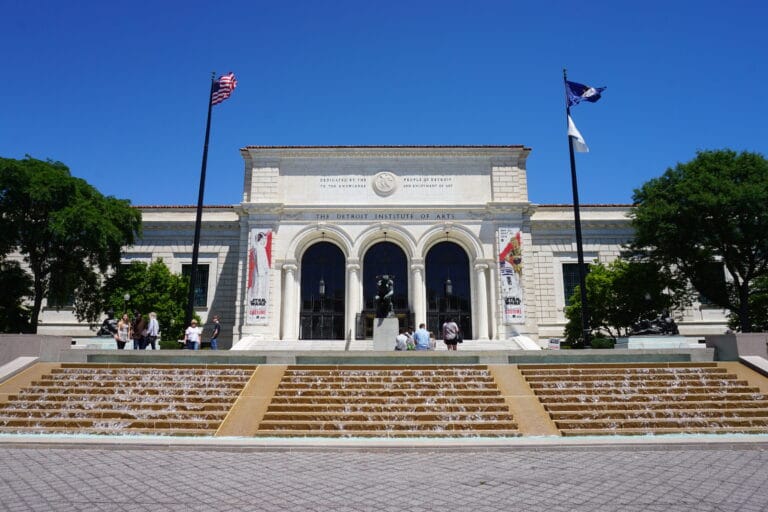
Detroit Institute of Arts Review
Art Museums · Detroit, United States. The Detroit Institute of Arts (DIA) stands as a testament to the…
Read review
Munch Museum Review
Art Museums · Oslo, Norway. The Munch Museum in Oslo, Norway, stands as a dedicated institution celebrating the…
Read review
Imperial War Museum London Review
Military Museums · London, United Kingdom. The Imperial War Museum London stands as a pivotal institution dedicated to…
Read review
Nelson Atkins Museum of Art Review
Art Museums · Kansas City, United States. The Nelson-Atkins Museum of Art in Kansas City, United States, stands…
Read review
Borghese Gallery Review
Art Museums · Rome, Italy. The Borghese Gallery, situated in the heart of Rome, Italy, holds a prominent…
Read review
National Gallery of Art Review
Art Museums · Washington, D.C., United States. The National Gallery of Art in Washington, D.C., stands as one…
Read review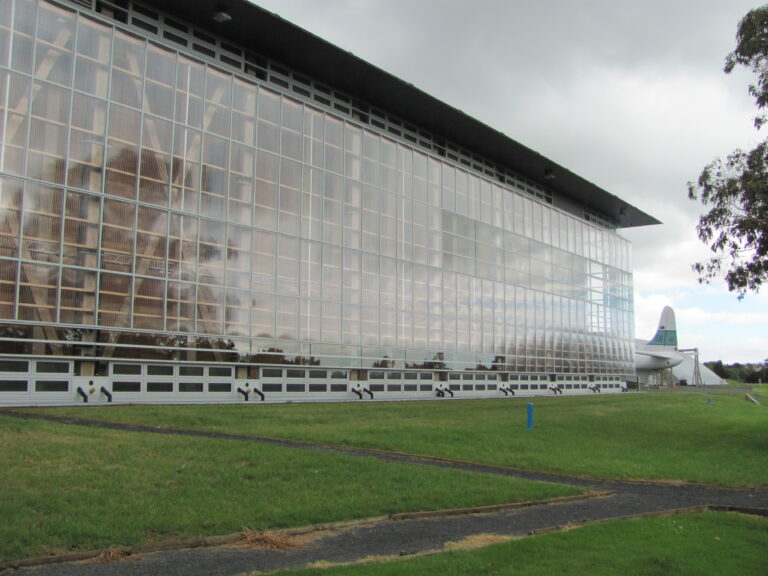
Museum of Transport and Technology Review
Transport Museums · Auckland, New Zealand. The Museum of Transport and Technology (MOTAT), located in Auckland, New Zealand,…
Read review
Srebrenica Memorial Center Review
Memorial Museums · Potočari, Bosnia and Herzegovina. The Srebrenica Memorial Center, located in Potočari, Bosnia and Herzegovina, stands…
Read review
National Army Museum Review
Military Museums · London, United Kingdom. The National Army Museum in London occupies a unique place in the…
Read review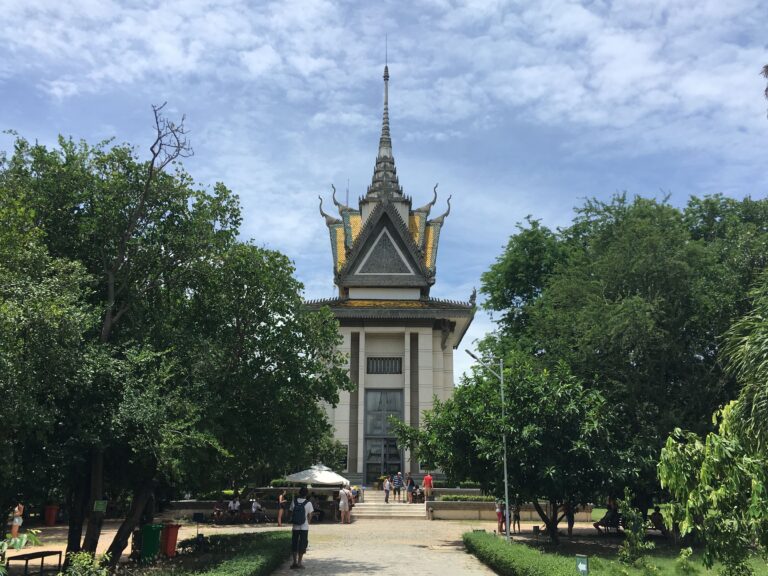
Choeung Ek Genocidal Center Review
Memorial Museums · Phnom Penh, Cambodia. The Choeung Ek Genocidal Center stands as one of the most poignant…
Read review
Oskar Schindler’s Enamel Factory Review
History Museums · Kraków, Poland. Oskar Schindler’s Enamel Factory, located in Kraków, Poland, stands as a poignant testament…
Read review
Ribe VikingeCenter Review
Viking Museums · Ribe, Denmark. Ribe VikingeCenter, situated in the ancient town of Ribe, Denmark, offers a compelling…
Read review
Bork Vikingehavn Review
Viking Museums · Bork Havn, Denmark. Bork Vikingehavn, located in the tranquil coastal town of Bork Havn, Denmark,…
Read review
Armenian Genocide Museum-Institute Review
Art Museums · Yerevan, Armenia. The Armenian Genocide Museum-Institute, located in Yerevan, Armenia, serves as a solemn testament…
Read review
Bastogne War Museum Review
Military Museums · Bastogne, Belgium. The Bastogne War Museum, situated in the Belgian city of Bastogne, offers a…
Read review
Royal Air Force Museum London Review
Military Museums · London, United Kingdom. The Royal Air Force Museum London stands as a monumental institution dedicated…
Read review
National Museum of African American History and Culture Review
History Museums · Washington, D.C., United States. The National Museum of African American History and Culture (NMAAHC) in…
Read review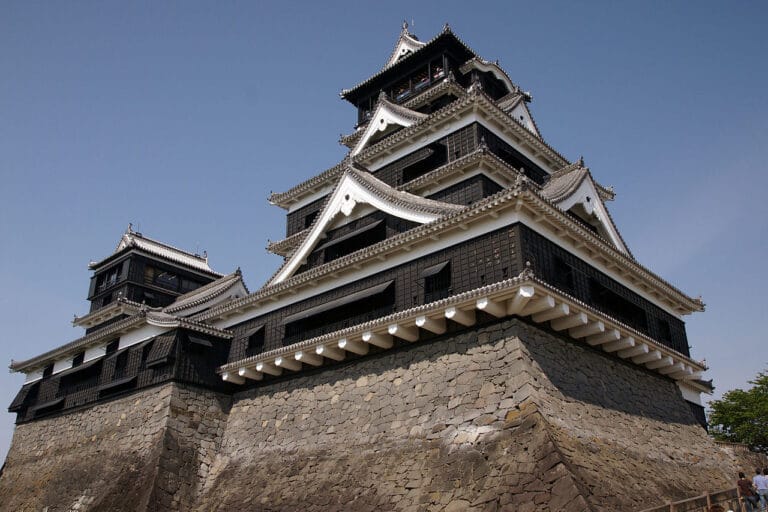
Kumamoto Castle Museum Wakuwakuza Review
Castle Museums · Kumamoto, Japan. Kumamoto Castle Museum Wakuwakuza is situated within the city of Kumamoto, Japan, and…
Read review
Musée du Parfum Fragonard Review
Design Museums · Paris, France. The Musée du Parfum Fragonard in Paris stands as a testament to the…
Read review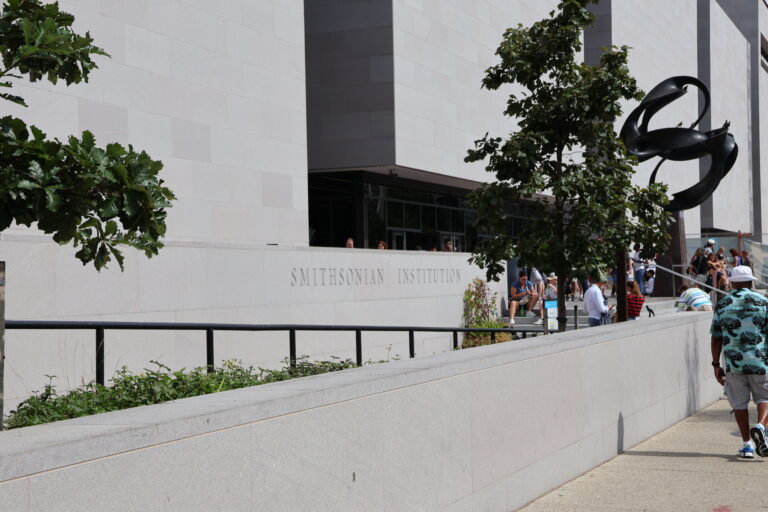
National Air and Space Museum Review
Space Museums · Washington, D.C., United States. The National Air and Space Museum, situated in Washington, D.C., stands…
Read review
Galleria Colonna Review
Art Museums · Rome, Italy. The Galleria Colonna, situated in the heart of Rome, is a magnificent testament…
Read review
Railroad Museum of South Florida Review
Railway Museums · Villas, United States. The Railroad Museum of South Florida, situated in Villas, offers a distinctive…
Read review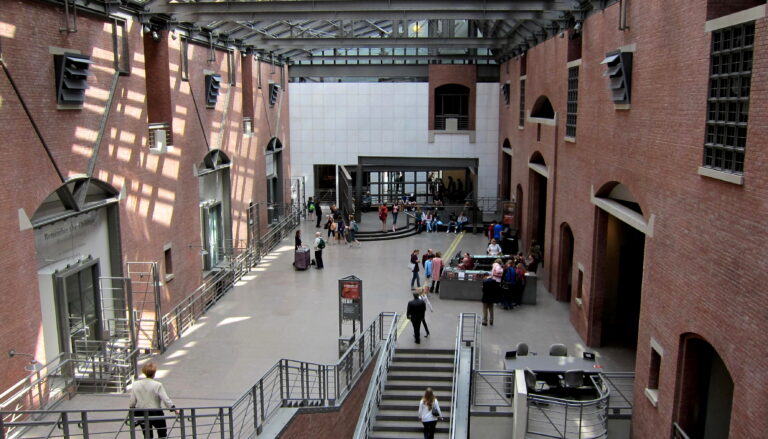
United States Holocaust Memorial Museum Review
Memorial Museums · Washington, D.C., United States. The United States Holocaust Memorial Museum, located in Washington, D.C., serves…
Read reviewWhat Makes a Museum One of the Best in the World?
The best museums create a complete experience. They do not simply display objects. They help visitors understand why those objects matter.
A world-class museum gives context. It explains history clearly. It presents collections with care. It uses space, design, architecture, and interpretation to make the visit feel memorable. It also gives visitors a reason to keep exploring after they leave.
Some museums are powerful because of their scale. Others are powerful because of their focus. A small museum with excellent storytelling can be just as memorable as a famous international institution. What matters most is whether the museum gives visitors a deeper understanding of art, history, culture, science, or place.
Planning a Visit to the World’s Best Museums
Museum travel is best when it is planned properly. Some museums can be visited in one or two hours, while others deserve half a day or more. Major museums may require advance tickets, timed entry, or a clear plan before arrival.
Before visiting a highly ranked museum, it is worth checking opening hours, ticket options, current exhibitions, location, accessibility, and how much time the visit is likely to need. For large museums, it can also help to choose the most important highlights before arriving, rather than trying to see everything in one rushed visit.
The best museum visit is not always about seeing the most rooms. It is about giving the right museum enough time.
Why Museum Rankings Help Travelers
A good museum ranking helps visitors make better choices. It gives structure to a world that can otherwise feel overwhelming. Instead of searching through thousands of possible museums, travelers can start with a trusted global list and then explore the museums that match their interests.
For first-time visitors, the ranking highlights the museums that should be considered first. For experienced museum travelers, it can reveal new destinations, overlooked collections, and cultural routes worth exploring.
The Top 400 Museums in the World is especially useful because museum travel is global. Great museums are not limited to one city, one country, or one type of collection. They can be found in major capitals, regional cities, historic towns, university districts, waterfront buildings, former palaces, modern landmarks, and restored industrial spaces.
The Value of Smaller and Less Famous Museums
Many of the world’s most famous museums deserve their reputation, but smaller museums should not be overlooked. Some of the most rewarding visits happen in museums that are more focused, more personal, or more closely connected to local identity.
A smaller museum can sometimes explain a place better than a large national institution. It may offer quieter galleries, stronger storytelling, easier navigation, and a more intimate connection with the subject.
This is one reason a Top 400 ranking is more useful than a short Top 10 list. The museum world is too rich and too varied to be reduced to only a few names.
Building a Museum Bucket List
The Top 400 Museums in the World can also be used as a long-term museum bucket list. Some visitors may want to start with the most famous museums. Others may prefer to explore by country, city, theme, collection type, or travel route.
A good museum bucket list should include a mix of major icons and unexpected discoveries. It should leave room for art, history, science, archaeology, design, architecture, local culture, and specialist collections.
The strongest museum journeys often combine one major museum with smaller nearby museums, historic streets, cultural neighborhoods, architecture, food, and local experiences. That creates a richer trip than rushing from one famous attraction to the next.
Final Verdict
The Top 400 Museums in the World is more than a ranking. It is a guide to the museums that help us understand human creativity, memory, identity, discovery, conflict, beauty, and progress.
The best museums preserve the past, explain the present, and inspire curiosity about the future. Whether you are planning your first major museum trip or building a lifetime cultural travel list, this ranking is designed to help you find museums that are truly worth visiting.