Whitney Museum of American Art Review
Art Museums · New York City, United States. The Whitney Museum of American Art, established in 1930, holds a prominent place in the cultural fabric of New York City and American art history. Founded by Gertrude Vanderbilt Whitney, a sculptor and art…
Art Museums · New York City, United States. The Whitney Museum of American Art, established in 1930, holds a prominent place in the cultural fabric of New York City and American art history. Founded by Gertrude Vanderbilt Whitney, a sculptor and art…
Best forMasterpieces, architecture, cultural history
Review focusCollection highlights, building, visitor flow
Historical Context
The Whitney Museum of American Art, established in 1930, holds a prominent place in the cultural fabric of New York City and American art history. Founded by Gertrude Vanderbilt Whitney, a sculptor and art patron, the institution was conceived as a dedicated home for contemporary American artists whose work was often overlooked by mainstream museums at the time. Over the decades, the museum has played a crucial role in championing modern and contemporary art, particularly through its support of living artists. It has become known for its focus on innovation, diversity, and bold artistic statements that often challenge established norms. Located in the dynamic Meatpacking District of Manhattan, the Whitney has evolved alongside the city itself, maintaining a vital presence in the ever-shifting landscape of American culture. Its commitment to showcasing a broad spectrum of artistic voices cements its status as a leading institution devoted exclusively to American art from the early twentieth century to the present day.
What You See on Arrival
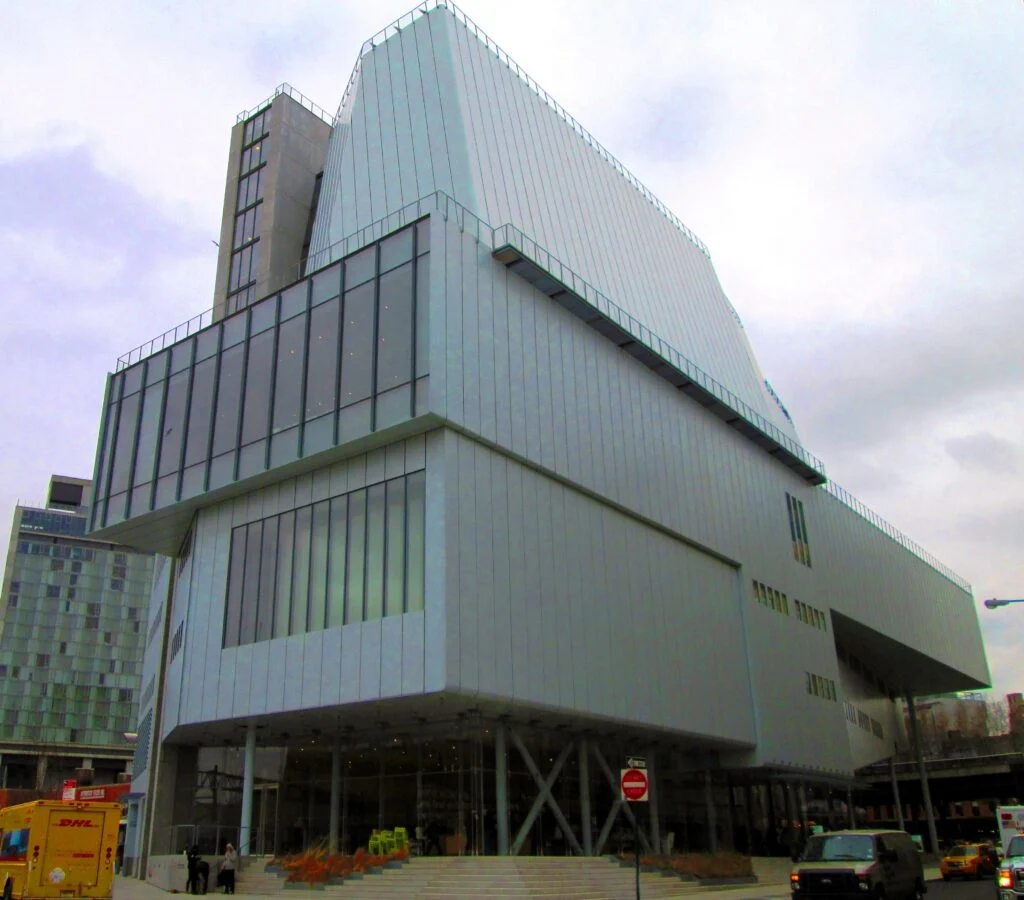
Approaching the museum, visitors are met with a striking architectural landmark that makes an immediate impression. The building occupies a prominent corner in the Meatpacking District, a neighborhood known for its industrial past and, more recently, its transformation into a vibrant cultural and commercial hub. Its distinctive design, with multiple layers of outdoor terraces and dynamic geometric forms, integrates the museum into the urban fabric in a way that invites exploration. Large windows reveal glimpses of the art inside and offer views outward across the cityscape, creating a seamless dialogue between interior spaces and the bustling streets. The entrance area is spacious and inviting, with clear signage that guides visitors efficiently toward ticketing and visitor services. The public plaza around the museum allows for gathering and acts as a social space, often fostering a lively atmosphere even before entering the galleries.
Highlights and Key Exhibitions
One of the Whitney’s defining features is its commitment to American art across a range of disciplines and mediums, emphasizing both historical depth and contemporary relevance. The permanent collection comprises more than 25,000 works by over 3,500 artists, with an emphasis on twentieth-century and contemporary pieces that trace the evolution of artistic thought in America. Among the highlights are seminal works by renowned figures such as Edward Hopper, Georgia O’Keeffe, and Alexander Calder, alongside more recent creations by artists who continue to push the boundaries of form and content.
The museum’s curatorial approach is notable for its willingness to engage with complex social and cultural themes through art. This includes thoughtful presentations of identity, race, gender, and politics, often making the exhibitions resonate with current dialogues beyond the gallery walls. Notably, the institution’s focus on living artists ensures a dynamic rotation of exhibitions that reflect cutting-edge artistic innovation. While it does not rely heavily on blockbuster, mega-exhibitions, the Whitney’s thoughtfully curated shows offer depth and nuance, inviting sustained engagement rather than fleeting spectacle.
Visitor Experience
The visitor experience at the Whitney is characterized by a blend of thoughtful layout, innovative design, and a welcoming atmosphere. Galleries are arranged to encourage a flow that is at once coherent and open to serendipitous discovery. The museum’s architecture contributes significantly to this experience, with varying ceiling heights, natural light, and terraces that provide moments of respite and reflection. Visitors can often look out over the Hudson River or the city skyline while moving between exhibitions, which adds an additional layer of sensory engagement.
Signage and interpretive materials are generally well-conceived, providing contextual information that deepens understanding without overwhelming. Audio guides and mobile resources are available for those seeking a more in-depth exploration. The museum also hosts an array of public programs, including artist talks, film screenings, and educational workshops, enhancing the opportunity for active participation and learning.
Dining facilities within the museum are thoughtfully designed to complement the visit, offering both casual and more refined options that make it easy to extend the experience without leaving the premises. The museum shop is curated with care, stocked with art books, prints, and unique design objects that reflect the museum’s aesthetic and intellectual ethos.
Tickets, Access, and Planning
Planning a visit to the Whitney requires attention to several practical considerations. Tickets should ideally be purchased in advance, especially during peak seasons, to avoid long lines and ensure entry at preferred times. The museum offers a range of ticket options, including discounted rates for students, seniors, and groups, as well as free admission for younger visitors. Memberships provide additional benefits such as unlimited access and special event invitations, appealing to both local art lovers and frequent visitors.
Accessibility is a key focus for the Whitney. The museum is fully compliant with ADA standards, with elevators, ramps, and accessible restrooms available throughout the building. Services such as sign language interpretation and listening devices can be arranged in advance, enhancing inclusion for visitors with different needs. The museum’s location is well-connected by public transportation, including subway and bus lines, and there are nearby options for parking, though these can be limited due to the neighborhood’s density.
It is advisable to allocate several hours for an immersive visit, as the museum’s collection and exhibitions offer considerable depth. Checking the official Whitney Museum website ahead of time is recommended for up-to-date information on opening hours, current exhibitions, and any special advisories.
Final Verdict
The Whitney Museum of American Art stands as a vital institution in New York City’s rich museum landscape, offering a distinctive focus on the breadth and vitality of American art. Its historical role as a champion of innovative, often underrepresented artists continues to be reflected in its dynamic programming and ambitious collection. The museum’s architecture and location enhance the visitor experience, fostering a unique connection between art, urban environment, and social engagement.
While the museum may not cater to those seeking large-scale blockbuster exhibitions dominated by international art, its strength lies in depth, curation, and a continuously relevant artistic dialogue that resonates on both local and national levels. Visitors who value thoughtful presentation, contemporary resonance, and an intimate yet expansive look at American art will find the Whitney a rewarding destination. Its commitment to accessibility, educational programming, and community involvement further underscores its role as a forward-thinking institution in the twenty-first century.