Maskinrummet Review
Walking into Maskinrummet does not feel like entering a traditional museum. It feels like stepping into a living engine hall — a place where steel, oil.
Walking into Maskinrummet does not feel like entering a traditional museum. It feels like stepping into a living engine hall — a place where steel, oil.
Best forClassic Cars - Vintage Motorcycles - Maritime History - Industrial Machines - Iconic Women's Handbags
Review focusCellection - Building
Historical Context
Maskinrummet in Skagen represents a focused and authentic approach to industrial heritage, rooted in Denmark’s maritime and mechanical history. Unlike traditional museums built around art or archaeology, Maskinrummet preserves the machines that powered everyday life at sea and in industry. Many of the engines, vehicles, and technical systems on display come directly from working environments, particularly ships that operated in Danish and international waters. This gives the museum a strong connection to the country’s coastal identity, where fishing, shipping, and engineering played a central role in economic and social development.
The museum itself reflects a broader European movement to preserve industrial culture before it disappears. As older technologies are replaced by modern systems, institutions like Maskinrummet ensure that knowledge of mechanical craftsmanship, engineering design, and industrial labor is not lost. The collection is therefore not only about machines, but about the people who built, maintained, and depended on them. This background shapes the entire experience. Visitors are not just looking at objects removed from their context, but at working pieces of history that still carry the marks of use, repair, and adaptation.
What You See on Arrival
Walking into Maskinrummet feels very different from entering a conventional museum. The building itself has the character of a former industrial space, and that identity has been preserved rather than softened. The first impression is dominated by scale, texture, and atmosphere. Steel surfaces, heavy machinery, and the smell of oil and metal create a sensory experience that immediately sets the tone.
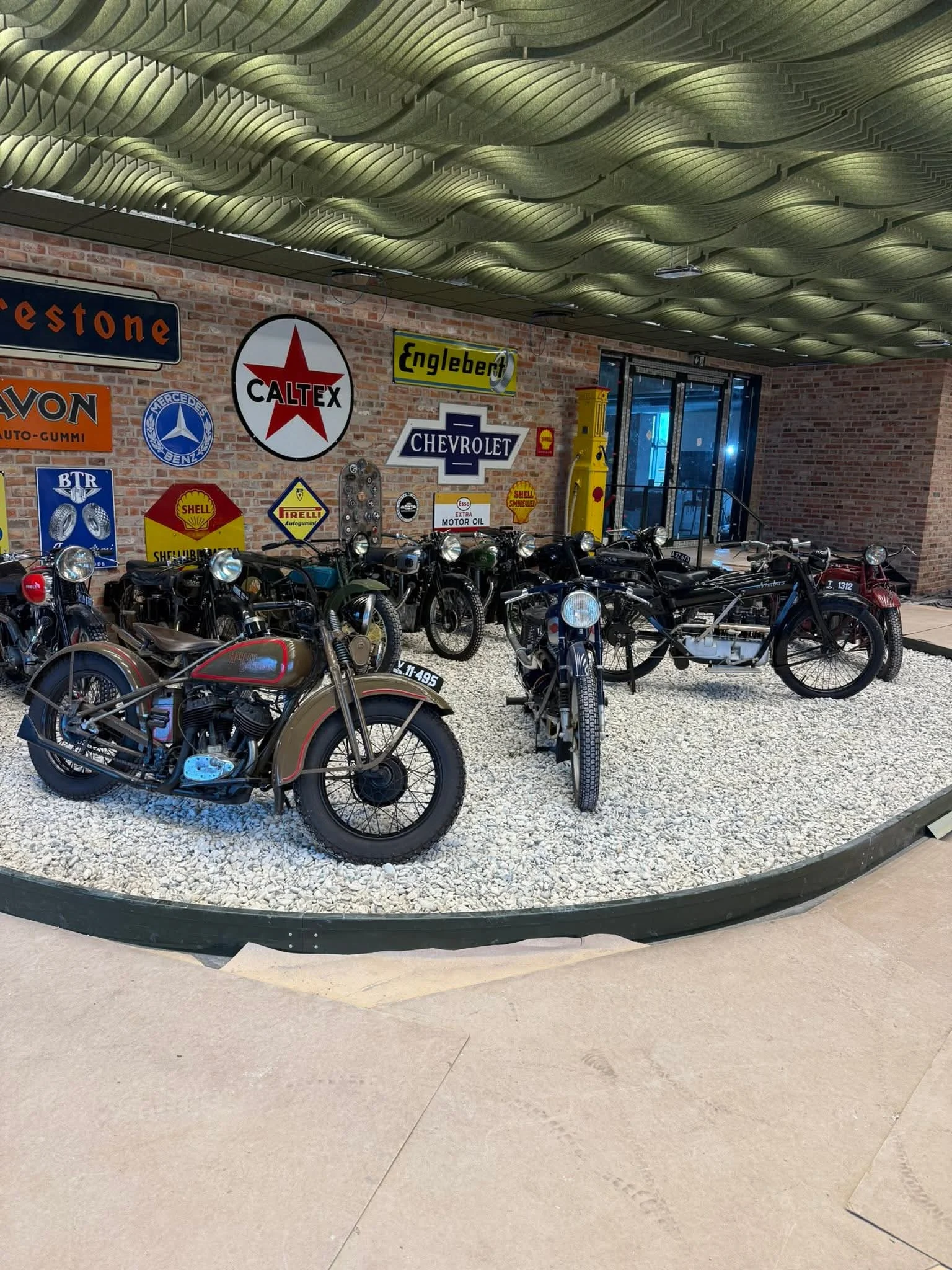
Instead of a quiet entrance hall leading into carefully separated galleries, visitors step into a large, open environment where engines, vehicles, and mechanical systems are arranged in dense but readable groupings. The layout feels organic rather than strictly curated. Machines are placed in relation to one another in a way that suggests function and use, rather than purely aesthetic display. This gives the space a sense of authenticity that is often missing in more polished museums.
The mood is immersive. Large ship engines stand as central anchors, surrounded by smaller components, tools, and related objects. Overhead structures, beams, and industrial details reinforce the feeling that this is a working environment repurposed as a museum rather than a space designed from the ground up for exhibition. The result is immediate and engaging. Visitors quickly understand that this is a place where machinery is the main subject, and where the physical presence of those machines matters as much as their historical explanation.
Highlights and Key Exhibitions
The core of Maskinrummet’s collection is its large marine engines, which dominate the space both visually and conceptually. These engines are not abstract representations of technology, but real machines that once powered ships across long distances. Their size, complexity, and physical presence make them some of the most impressive objects in the museum. Visitors can walk around them, study their construction, and begin to understand how they operated in real conditions.
In addition to the major engines, the museum includes a wide range of supporting machinery and equipment. This includes smaller engines, mechanical components, tools, and systems that together form a more complete picture of industrial life. These objects are important because they show that large machines did not function in isolation. They depended on networks of parts, maintenance routines, and skilled labor.
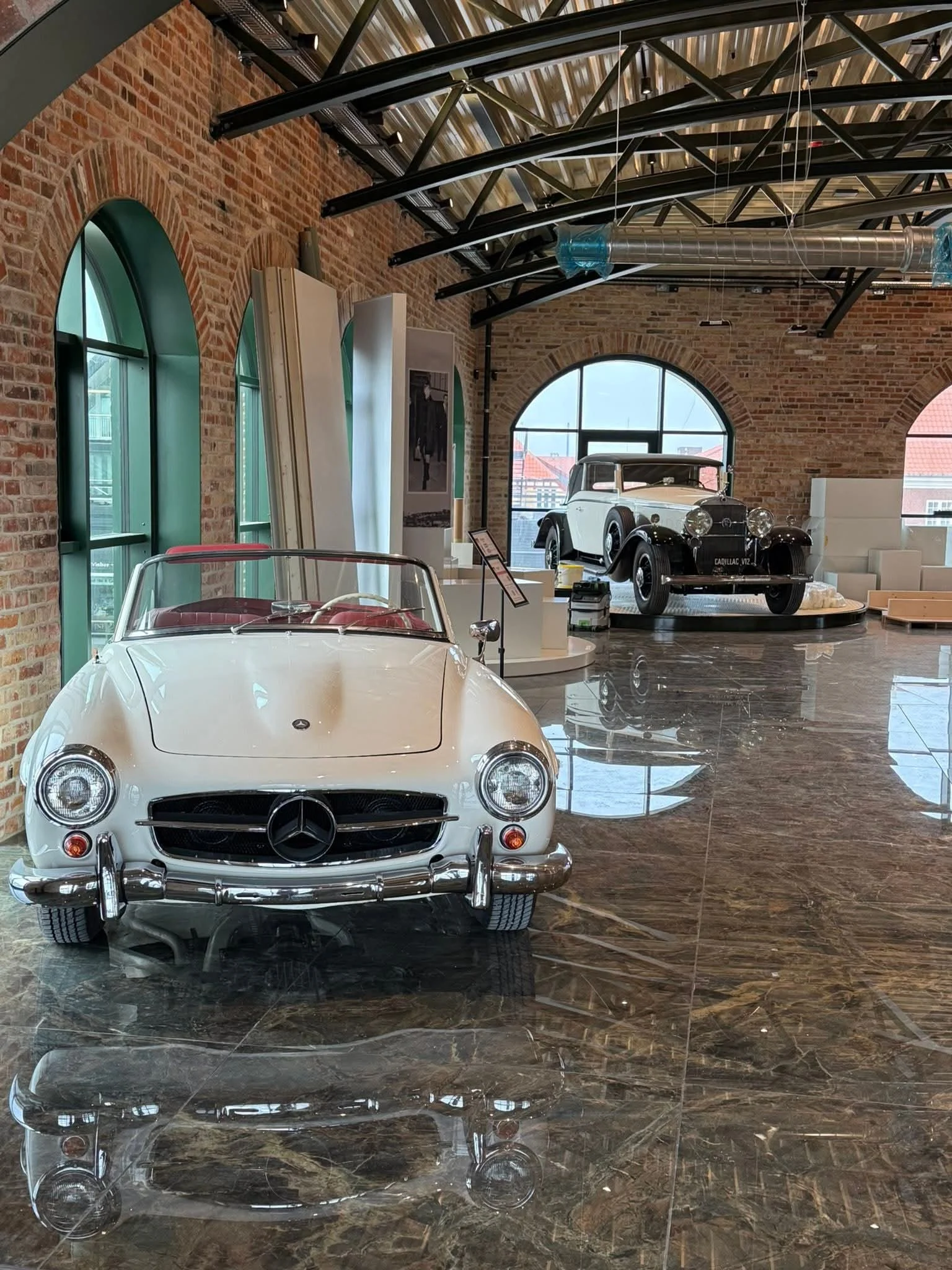
Vehicles and transport-related objects also play a role in the exhibition. These elements expand the focus beyond maritime engineering and show how mechanical innovation shaped movement more broadly. The inclusion of different types of machinery creates variety within the collection and helps visitors understand the wider impact of industrial technology.
One of the strengths of Maskinrummet is that it does not over-interpret its objects. Instead of relying heavily on multimedia or abstract explanations, it allows the machines themselves to communicate their significance. Information is present, but the primary experience comes from seeing and moving around the objects. This approach works particularly well in a setting where scale and materiality are essential to understanding.
Visitor Experience
The visitor experience at Maskinrummet is shaped by its openness and physicality. Unlike museums that guide visitors along a fixed route, this space allows for more freedom of movement. Visitors can explore at their own pace, choosing which machines to focus on and how deeply to engage with the material. This flexibility is one of the museum’s strengths.
Pacing is generally comfortable, as the open layout provides natural pauses. Visitors can step back from large objects, move into quieter corners, or spend extended time studying a particular engine. The absence of strict pathways reduces the feeling of being rushed, which is often present in more crowded institutions.
Signage is functional rather than dominant. Information is available, but it does not overwhelm the objects. This means that visitors who want a quick overview can move through the space easily, while those interested in technical details can take the time to read and observe more closely.
Crowds are usually manageable compared to major international museums. The museum’s location and subject matter attract a more specific audience, which contributes to a calmer atmosphere. Even when visitors are present, the large space prevents the environment from feeling crowded.
Atmospherically, Maskinrummet is one of the most distinctive museums in Denmark. It is not quiet in the traditional sense, but it has a strong sense of presence. The machines, the building, and the overall environment create an experience that feels grounded and real. This makes the visit memorable in a way that is different from more conventional museum experiences.
Tickets, Access, and Planning
Planning a visit to Maskinrummet is relatively straightforward compared to larger international museums. However, checking opening hours and seasonal variations is still important, especially in a location like Skagen where tourism patterns change throughout the year.
The museum is easy to navigate once inside, so there is no need for complex planning of routes. Visitors can simply enter and begin exploring. That said, it is useful to allow enough time to fully appreciate the collection. While the museum is not overwhelming in size, the density of objects means that a rushed visit may miss important details.
Comfort is less of an issue here than in larger museums, but visitors should still be prepared for a standing and walking experience. The industrial environment means that surfaces and spaces may feel different from standard gallery settings, which is part of the experience but also something to be aware of.
For visitors already in Skagen, Maskinrummet is an easy addition to a broader itinerary. It provides a strong contrast to the town’s art museums and natural landscapes, offering a different perspective on Danish culture and history.
Final Verdict
Maskinrummet is a highly distinctive museum that succeeds by staying true to its subject. It does not attempt to compete with large art institutions or create an overly polished visitor experience. Instead, it focuses on authenticity, scale, and the physical reality of machines. This gives it a strong identity and makes it particularly rewarding for visitors interested in engineering, maritime history, or industrial culture.
Who should visit? The museum is ideal for those with an interest in mechanics, technology, and working history. It also appeals to visitors looking for something different from traditional museum experiences. Families, enthusiasts, and curious visitors alike can find value in the collection.
Why visit? Because Maskinrummet offers a direct encounter with the machines that powered a significant part of modern history. The experience is tactile, immersive, and grounded in reality. For those willing to engage with its subject, it provides one of the most memorable and authentic museum visits in Denmark.