Borghese Gallery Review
Art Museums · Rome, Italy. The Borghese Gallery, situated in the heart of Rome, Italy, holds a prominent place among Europe’s most prestigious art institutions. Originating from the vast private collection of Cardinal Scipione Borghese, an avid patron of…

Art Museums · Rome, Italy. The Borghese Gallery, situated in the heart of Rome, Italy, holds a prominent place among Europe’s most prestigious art institutions. Originating from the vast private collection of Cardinal Scipione Borghese, an avid patron of…
Best forMasterpieces, architecture, cultural history
Review focusCollection highlights, building, visitor flow
Historical Context
The Borghese Gallery, situated in the heart of Rome, Italy, holds a prominent place among Europe’s most prestigious art institutions. Originating from the vast private collection of Cardinal Scipione Borghese, an avid patron of the arts and nephew of Pope Paul V, the gallery was established in the early 17th century. Cardinal Borghese’s fervent acquisition of masterpieces from renowned artists such as Bernini, Caravaggio, and Titian laid the foundation for the gallery’s enduring artistic legacy. The collection, originally intended to showcase the power and refined tastes of the Borghese family, reflects the Baroque era’s grandeur and the Renaissance’s artistic innovations. Over time, the gallery’s holdings have been meticulously preserved and expanded, making the Borghese Gallery a vital repository of Italian art and culture that offers insight into both the evolution of artistic styles and the historical narrative of Roman nobility. Its residence, the beautiful Villa Borghese Pinciana, is itself a significant cultural landmark, blending art with the lush greenery of the villa gardens in one of Rome’s most scenic quarters.
What You See on Arrival
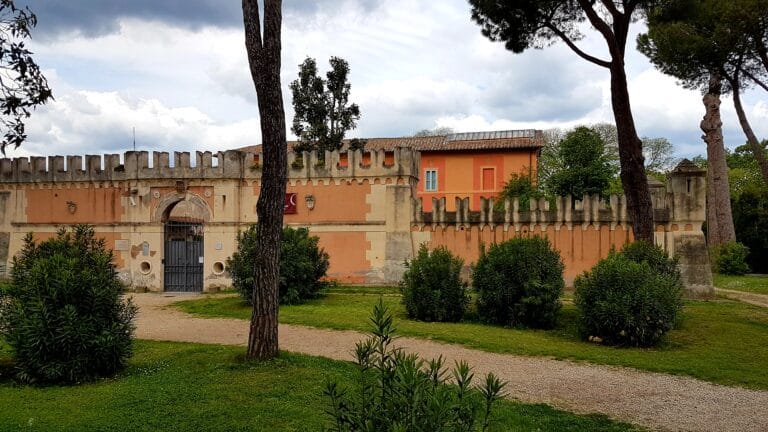
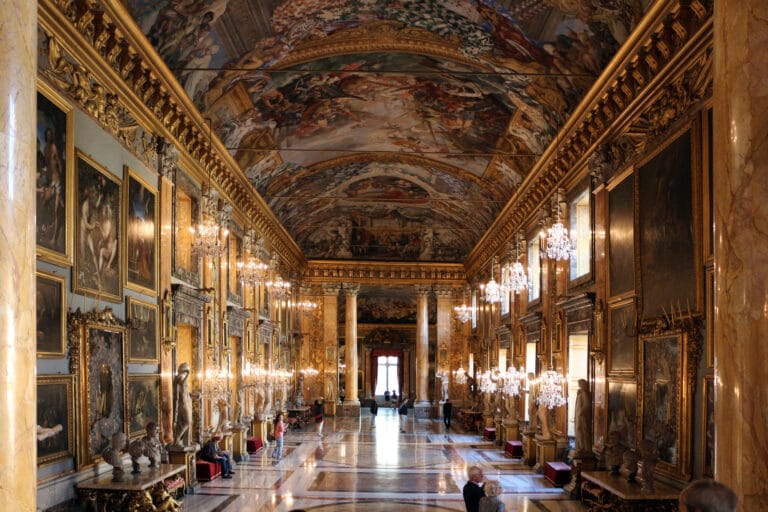
Upon approaching the Borghese Gallery, visitors are greeted by the stately façade of Villa Borghese Pinciana, an architectural marvel that hints at the treasures housed within. Nestled within the expansive Villa Borghese park, the gallery immediately presents an atmosphere of elegance and history. The entrance is marked by a modest yet refined portico, which leads into the reception area where visitors can orient themselves for their visit. The tranquility of the surrounding landscaped gardens contrasts with the lively urban environment of Rome, creating a serene prelude to the art experience. Inside, the interiors are adorned with traditional frescoes and decorative ceilings, offering a fitting setting for the Italian masterpieces to come. The layout hints at a carefully curated progression through different periods and styles of art, designed to immerse visitors in a rich cultural journey.
Highlights and Key Exhibitions
The Borghese Gallery’s collection is renowned for its outstanding selection of Baroque and Renaissance art, including sculptures, paintings, and antiquities. Among the collection’s highlights are Gian Lorenzo Bernini’s dynamic sculptures, such as “Apollo and Daphne” and “David,” which exemplify the artist’s unparalleled ability to capture movement and emotion in marble. The keen interplay of light and shadow in these works draws viewers into the dramatic narratives that Bernini masterfully conveys.
Complementing the sculpture is a remarkable array of paintings by key figures such as Caravaggio, whose revolutionary use of chiaroscuro and intense realism transformed Italian art. Signature works like “Boy with a Basket of Fruit” and “David with the Head of Goliath” provide compelling insights into Caravaggio’s complex approach to composition and character. The gallery also houses masterpieces by Raphael, including “The Deposition,” which illustrates the artist’s skill in creating balanced compositions and emotive depictions of religious themes.
Moreover, the collection extends beyond the 17th century with notable pieces by Titian and Rubens, offering a broader perspective on European art history. Classical antiquities and decorative arts, such as intricately crafted mosaics and ornate furniture, add layers of historical context. The gallery’s emphasis on high craftsmanship, the convergence of artistic genius, and rich storytelling through each object make it a comprehensive and celebrated museum experience.
Visitor Experience
Visitors to the Borghese Gallery can expect a meticulously organized environment that prioritizes both preservation and the appreciation of art. The guided tours are expertly structured to accommodate the gallery’s capacity limits, ensuring an intimate viewing experience without overcrowding. By controlling the flow of visitors, the gallery preserves the sanctity and impact of its artworks while dispensing a considered narrative approach that helps deepen understanding of each piece.
The museum’s informative labels and multilingual audio guides enhance the experience for international guests, providing historical background and artistic analysis that enrich visits. However, the relatively compact size of the exhibition rooms means that there is a need to move through at a steady pace, which some visitors might find restrictive for longer contemplation of individual works.
The architectural design of the gallery, while classical and elegant, can sometimes feel formal, and the lighting, though designed to protect sensitive artworks, might not always present the pieces in their most vibrant hues. That said, the intimate and carefully curated atmosphere fosters a connection between visitor and art that larger, more impersonal venues sometimes struggle to achieve.
Tickets, Access, and Planning
Planning a visit to the Borghese Gallery requires some advance preparation, chiefly due to its controlled entry policy. Tickets must be reserved in advance and are often limited to specific time slots, reflecting the museum’s commitment to preserving its collection while ensuring a quality visitor experience. This system can pose minor challenges for last-minute visitors, especially during peak tourist season, making prior booking advisable and essential for guaranteed entry.
Entrance fees are relatively standard for major European museums, with concessions available for certain categories such as students and seniors. The official website provides comprehensive information on ticket prices, visiting hours, and guided tour options, ensuring transparency and ease of planning.
Accessibility is a priority for the museum, with accommodations for visitors with reduced mobility, including wheelchair access and assistance services, albeit within the constraints of an older building. The surrounding Villa Borghese park enhances the visit, offering ample options for rest, refreshment, and leisure both before and after viewing the collection.
Final Verdict
The Borghese Gallery stands as a veritable jewel in Rome’s cultural crown, offering an extraordinary glimpse into the art of the Renaissance and Baroque periods through its carefully preserved collection. It combines artistic excellence, historical significance, and architectural beauty within one of the city’s most picturesque settings. While the necessity to book in advance and the formal pace of viewing might shape visitor expectations, these elements underscore the museum’s dedication to quality and preservation.
For those with a strong interest in classic Italian art and sculpture, the Borghese Gallery presents an unmatched opportunity to experience masterpieces in an intimate and richly contextualized environment. Its blend of celebrated artworks, thoughtful presentation, and historical ambiance makes it an essential destination for art lovers visiting Rome, helping to deepen appreciation for the cultural roots that continue to influence Western art to this day.