Musée du Parfum Fragonard Review
Design Museums · Paris, France. The Musée du Parfum Fragonard in Paris stands as a testament to the rich heritage and artistry of French perfumery. Established by the well-known Fragonard perfume house, which traces its origins back to the…
Design Museums · Paris, France. The Musée du Parfum Fragonard in Paris stands as a testament to the rich heritage and artistry of French perfumery. Established by the well-known Fragonard perfume house, which traces its origins back to the…
Best forArchitecture, royal history, heritage
Review focusDesign collections, creative context, and visitor planning
Historical Context
The Musée du Parfum Fragonard in Paris stands as a testament to the rich heritage and artistry of French perfumery. Established by the well-known Fragonard perfume house, which traces its origins back to the 1920s in Grasse, the museum encapsulates the evolution of fragrance creation in one of the world’s most influential centers for perfume production. Paris has long been regarded as a global capital of luxury and style, and fragrance is integral to this cultural identity. The museum highlights nearly two centuries of perfume history by showcasing the traditional methods employed in the art of scent making. It pays homage to the craftsmanship and innovation that has propelled perfume from ancient times into a modern industry, balancing historical artifacts with informative displays. The Fragonard legacy is intertwined with an appreciation for olfactory beauty, offering visitors insight into the science, history, and artistry of perfumery, all within a Parisian context that values elegance and refinement.
What You See on Arrival
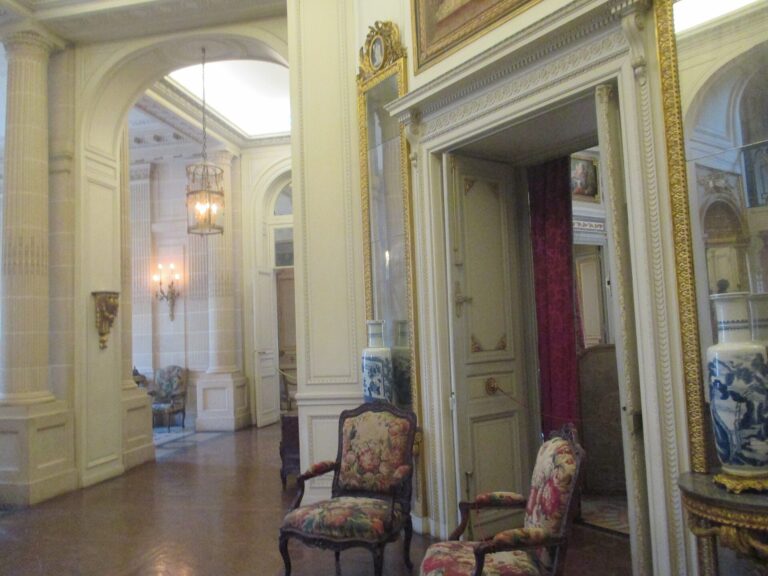
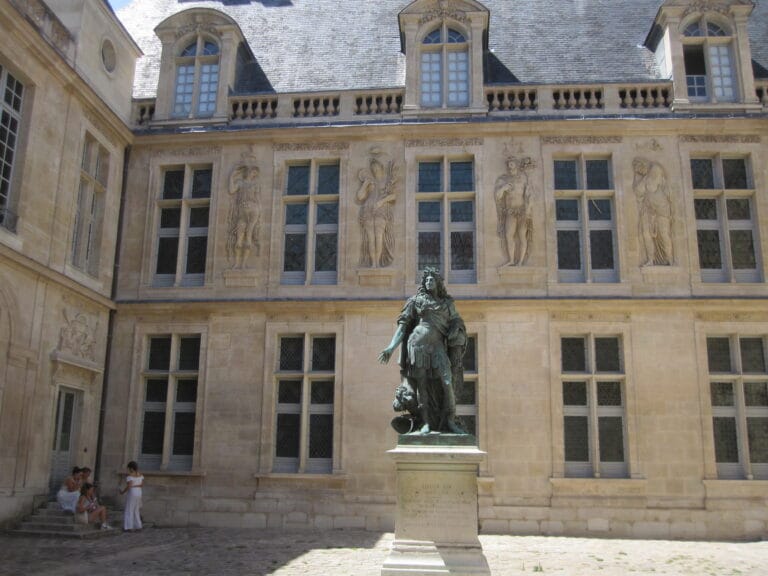
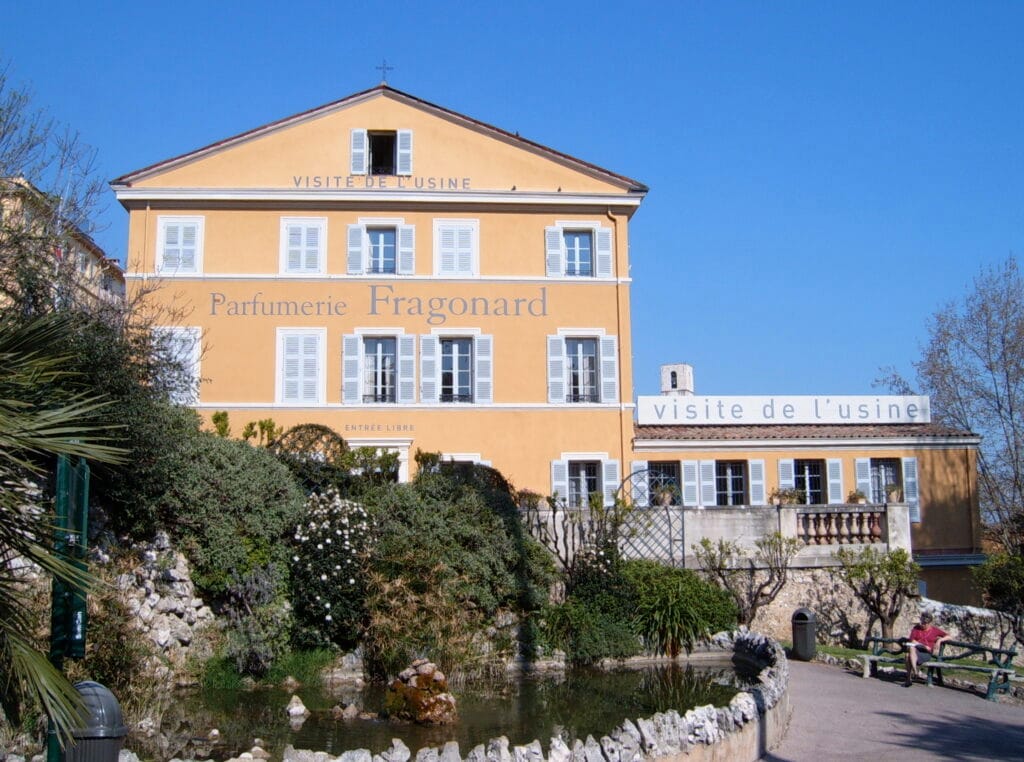
Situated in the heart of Paris, the Musée du Parfum Fragonard presents an inviting façade that reflects both classical charm and the allure associated with the art of perfume. The street-level entrance is modest but elegant, emphasizing the intimate nature of the museum rather than grandiosity. Upon entry, visitors are greeted by a welcoming reception area that doubles as a boutique, where Fragonard’s signature fragrances and related products are displayed with refined aesthetic appeal. Beyond the shop, the museum’s interior reveals a carefully curated journey through perfume history. The space is tastefully arranged, blending vintage displays with educational panels and interactive elements that engage a variety of senses. Airy rooms display delicate glassware, ancient distillation devices, and ornate perfume bottles, while some areas offer opportunities to experience different fragrances directly. This thoughtful design invites exploration without overwhelming, setting the tone for a contemplative and sensory exploration from the outset.
Highlights and Key Exhibitions
Among the most striking features of the Musée du Parfum Fragonard is its comprehensive collection of historical perfume apparatus and decorative objects related to scent production. Visitors encounter an impressive array of antique distillation equipment, including alembics and copper stills that vividly illustrate age-old extraction techniques. These devices showcase the meticulous processes involved in capturing natural essences, underscoring the close relationship between art and chemistry in perfume-making. Another highlight is the expansive display of perfume bottles, ranging from Renaissance-era flacons to elegant Regency designs and Art Deco pieces, each telling a story of changing tastes and technological advances in fragrance containment.
The museum also excels in illustrating the cultural significance of perfume with thematic sections dedicated to its roles across different epochs and societies, including Ancient Egypt, the Islamic Golden Age, and the courts of Europe. Educational panels explain the ingredients commonly used in perfumery, providing insight into botanical sources, synthetic innovations, and the evolution of scent composition. The immersive olfactory experiences allow visitors to identify and differentiate key fragrance notes, enhancing understanding beyond the visual. This synthesis of history, science, and sensory engagement positions the Musée du Parfum Fragonard as a unique cultural hub in Paris that articulates perfume not solely as a commercial product but as an art form.
Visitor Experience
The visitor experience at the Musée du Parfum Fragonard is designed to be both educational and sensory, appealing to enthusiasts and novices alike. The museum's layout facilitates a comfortable flow, guiding you through its various informative zones in a coherent sequence. Self-guided tours are supported by well-written brochures and multilingual explanatory materials that clarify complex concepts related to perfumery in accessible language. The atmosphere is intimate rather than theatrical, without overwhelming crowds or excessive multimedia distractions. Staff are generally knowledgeable and approachable, offering assistance and occasionally enriching the experience with additional context.
While the museum is relatively small compared to larger Parisian institutions, this scale adds to its charm, creating a quiet haven for those interested in the nuanced world of fragrances. Interactive fragrance stations enhance visitor engagement, as they invite you to smell raw ingredients and finished perfumes to build a deeper appreciation of scent complexity. Shopping opportunities within the museum boutique provide access to authentic Fragonard creations, blurring the line between educational visit and luxury retail experience in a way that feels natural rather than intrusive.
Tickets, Access, and Planning
The Musée du Parfum Fragonard has a straightforward ticketing policy, with admission prices that are modest and offer good value considering the specialized nature of the exhibits. Entry is free for children below a certain age, and there are concessions available for students and seniors, making the museum accessible to a broad demographic. The museum does not generally require advance booking, but purchasing tickets online ahead of time can help avoid queues during busy seasons.
Located centrally in Paris, the museum is easily reachable by public transport, including bus and metro links. The area around the museum is pedestrian-friendly with several other cultural landmarks nearby, enabling visitors to combine their trip with other sightseeing activities. Accessibility for visitors with reduced mobility is notably considered, with barrier-free access and supportive facilities. However, as with many historic buildings in Paris, certain constraints related to space and design may apply, so it is advisable to check specific access requirements before visiting. The museum’s official website offers up-to-date practical information and opening hours, which tend to be regular but can vary on holidays or special occasions.
Final Verdict
The Musée du Parfum Fragonard offers a distinctive and informative experience for those interested in the history and craft of perfume. Its strength lies in the balance between educational content, historical authenticity, and sensorial engagement. While not as vast or famous as larger Paris museums, it stands out as a specialist venue that appeals particularly to aficionados of scent, design, and French cultural heritage. The collection artfully recounts the evolution of perfumery from rudimentary origins to contemporary luxury, with insightful displays that make complex processes approachable.
The museum’s intimate scale and thoughtful layout create a contemplative environment suited to both leisurely visitors and those seeking deeper knowledge. Integrated fragrance-sampling opportunities elevate the visit beyond static observation, allowing a more immersive connection to the subject. The presence of the Fragonard boutique enhances the experience by linking history and contemporary craftsmanship without feeling commercialized. Overall, the Musée du Parfum Fragonard embodies an elegant tribute to an essential and enchanting facet of French artistry. It is a valuable stop for cultural tourists in Paris who want to explore a niche yet celebrated aspect of the city’s creative spirit. For those captivated by perfume, or curious about the fragrant narrative woven through history and science, this museum represents well-curated enrichment and a uniquely aromatic journey.