National Palace Museum Review
National Palace Museum A Collection Carried Across History The National Palace Museum in Taipei does not simply display Chinese art — it safeguards it.

National Palace Museum A Collection Carried Across History The National Palace Museum in Taipei does not simply display Chinese art — it safeguards it.
Best forMasterpieces, architecture, cultural history
Review focusCollection highlights, building, visitor flow
Historical Context
The National Palace Museum in Taipei, Taiwan, traces its origins to the imperial collections of China’s emperors, particularly those of the Ming and Qing dynasties. Many of the artifacts housed in the museum were once kept within the Forbidden City in Beijing, forming part of one of the most significant cultural collections in the world. During the political upheavals of the 20th century, a large portion of these treasures was transported to Taiwan for safekeeping, eventually becoming the foundation of the museum.
Established in its current form in 1965, the museum was designed to preserve and present this vast cultural heritage to the public. Over time, it has expanded both physically and academically, becoming a leading institution for the study of Chinese art, history, and culture.
The collection spans over 700,000 items, including paintings, calligraphy, ceramics, jade, and historical documents. This breadth reflects thousands of years of artistic and cultural development, making the museum not only a repository of objects but also a narrative of Chinese civilization.
What You See on Arrival
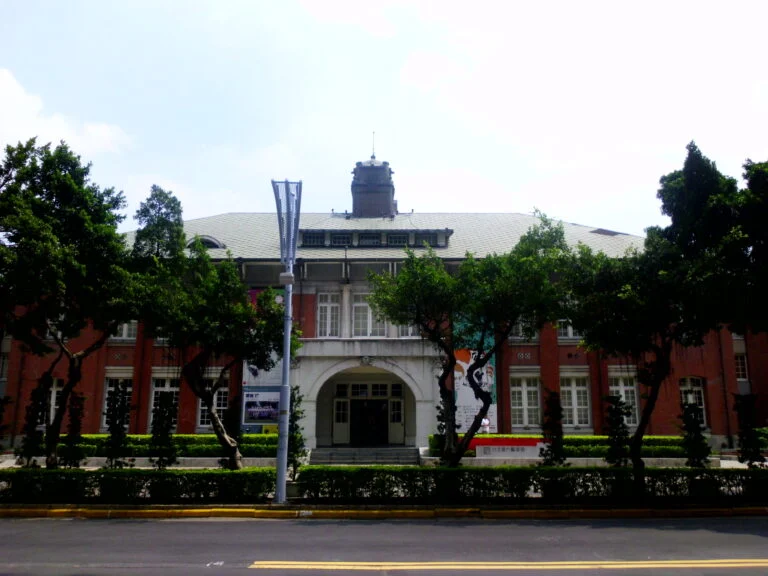
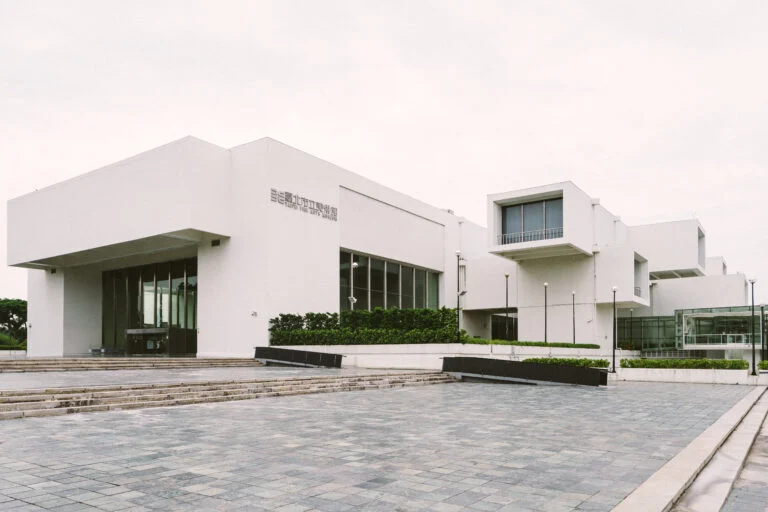
The museum is located in the northern outskirts of Taipei, surrounded by green hills that create a calm and slightly elevated setting. The building itself is designed in a traditional Chinese palace style, with sweeping roofs, decorative details, and a symmetrical layout that reflects classical architectural principles.
Upon arrival, visitors enter a large forecourt before moving into the main hall. The interior is structured across multiple floors, with galleries arranged in a clear and organized manner. The layout emphasizes progression, guiding visitors through different periods and themes.
The first impression is one of refinement and order. Unlike more densely packed museums, the National Palace Museum presents its collection with careful spacing and controlled lighting. This creates a quieter atmosphere that encourages close observation rather than rapid movement.
Display cases are thoughtfully arranged, often highlighting individual masterpieces rather than overwhelming visitors with large quantities of objects. This approach sets the tone for a focused and detailed viewing experience.
Highlights and Key Exhibitions
Among the museum’s most famous objects is the Jadeite Cabbage, a small yet highly detailed carving that has become an iconic symbol of the collection. Its craftsmanship and symbolic meaning make it a central attraction.
Equally notable is the Meat-Shaped Stone, another example of intricate carving that demonstrates the technical skill of artisans working with natural materials. These pieces illustrate how everyday objects and forms were transformed into works of art.
The painting and calligraphy galleries provide insight into the intellectual and artistic traditions of Chinese culture. Scroll paintings, often displayed in rotation to preserve their condition, offer glimpses into landscapes, philosophy, and historical narratives.
Ceramics and porcelain collections are also a major highlight, showcasing developments in technique and style across different dynasties. These objects reflect both artistic innovation and the cultural significance of craftsmanship.
Rotating exhibitions ensure that different parts of the vast collection are accessible over time, encouraging repeat visits and ongoing engagement.
Visitor Experience
The visitor experience at the National Palace Museum is structured and deliberate. The layout encourages a steady pace, allowing time for detailed observation of individual objects. Signage is clear and informative, often available in multiple languages, which supports a wide international audience.
Crowds can be significant, particularly around the most famous pieces, but the overall atmosphere remains relatively calm compared to more densely packed museums. The controlled flow of visitors and the spacious galleries help maintain a comfortable environment.
Audio guides and guided tours provide additional context, enhancing understanding of the collection. For visitors with a specific interest in Chinese history or art, these resources can be particularly valuable.
The museum also includes facilities such as cafés and rest areas, which support longer visits. The combination of educational content and visitor amenities creates a balanced experience.
Tickets, Access, and Planning
The museum is accessible by public transportation from central Taipei, with buses and taxis providing direct routes. Its location outside the city center means that visitors should plan their journey in advance.
Tickets are required for entry, with pricing varying depending on visitor category. It is advisable to check current information before visiting, as details may change. The museum also offers online ticket options, which can help reduce waiting times.
Given the size of the collection, it is recommended to plan which galleries to visit in advance. Visitors with limited time may focus on the most प्रसिद्ध objects, while those with more time can explore a broader selection.
Peak visiting times can affect the experience, so visiting earlier in the day or during less busy periods may be preferable.
Final Verdict
The National Palace Museum stands as one of the most important cultural institutions dedicated to Chinese art and history. Its collection offers a comprehensive view of artistic and intellectual traditions spanning thousands of years.
Who should visit? The museum is particularly suited to visitors with an interest in history, art, and cultural heritage, as well as those seeking a deeper understanding of Chinese civilization.
Why visit? Because it provides access to a unique and historically significant collection that is presented with clarity and care.
For those looking for a focused and enriching museum experience, the National Palace Museum offers a compelling and well-structured journey through one of the world’s most influential cultural traditions.