Palace Museum Review
Palace Museums · Beijing, China. The Palace Museum, situated in the heart of Beijing, China, stands as one of the most significant cultural and historical institutions in the world. Often referred to as the Forbidden City, this grand complex…

Palace Museums · Beijing, China. The Palace Museum, situated in the heart of Beijing, China, stands as one of the most significant cultural and historical institutions in the world. Often referred to as the Forbidden City, this grand complex…
Best forMasterpieces, architecture, cultural history
Review focusCollection highlights, building, visitor flow
Historical Context
The Palace Museum, situated in the heart of Beijing, China, stands as one of the most significant cultural and historical institutions in the world. Often referred to as the Forbidden City, this grand complex served as the imperial palace for roughly five centuries during the Ming and Qing dynasties, housing 24 emperors and acting as the political and ceremonial center of Chinese royalty. Its history stretches back to the early 15th century, having been constructed between 1406 and 1420 under the Yongle Emperor’s reign. The Palace Museum emerged from this iconic site as a repository of imperial art and artifacts following the abdication of the last emperor in 1912. Today, the museum preserves an unparalleled collection of Chinese cultural treasures, including exquisite paintings, ceramics, calligraphy, and historical relics that illustrate the evolution of Chinese civilization. This institution is not only a monument to imperial power but also a vivid chronicle of China’s artistic and architectural achievements throughout the centuries.
What You See on Arrival
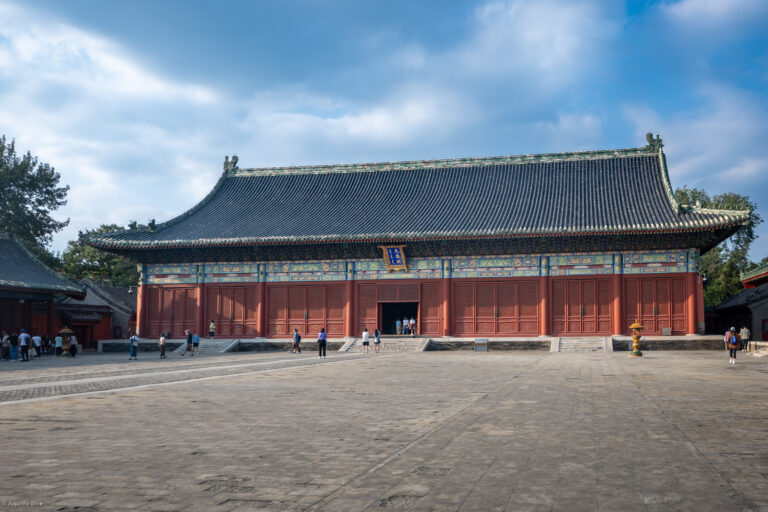
Approaching the Palace Museum, visitors are met with an impressive view of the Meridian Gate, a grand entrance flanked by imposing walls and traditional tiled roofs, evoking the ancient imperial aura immediately. The sheer scale of the complex is breathtaking, with its sprawling courtyards, meticulously maintained gardens, and elaborate wooden buildings adorned with vibrant red and gold hues characteristic of Chinese imperial aesthetics. From the outer gates to the inner courts, the architectural arrangement follows strict symbolic and spatial hierarchies, with each structure and decorative element designed to convey political and cosmological meaning. Upon entering, visitors are immersed in a labyrinth of interconnected halls and galleries that unfold a narrative reflecting the dynasties that constructed and inhabited the palace. The entrance space alone sets a tone of reverence and awe, preparing visitors for an extensive exploration of China’s imperial legacy.
Highlights and Key Exhibitions
The Palace Museum’s collection is undeniably vast, containing over 1.8 million artifacts that span a remarkable range of dynasties and artistic disciplines. Among the notable highlights is the Hall of Supreme Harmony, the largest wooden structure within the complex which was the ceremonial center for important imperial events, including enthronements and grand celebrations. Exhibits in this hall and others showcase imperial robes adorned with intricate dragon motifs, fine porcelain from the Ming and Qing periods, and an exceptional array of jade carvings, each piece underscoring the craftsmanship and symbolic importance of materials in imperial China.
Visitors will also find the Clock Exhibition Hall fascinating, displaying timepieces that highlight the cultural exchanges between China and Europe during the Qing dynasty. These sophisticated clocks blend artistic ingenuity with mechanical precision, reflecting a period when the imperial court was engaged with global influences. The Palace Museum’s paintings and calligraphy galleries offer insight into the intellectual and aesthetic pursuits valued by the emperors, featuring masterpieces by prominent artists, some of which date back to the Song and Yuan dynasties.
Additionally, the Emperor’s private quarters provide a rare look into the daily life, tastes, and rituals within the Forbidden City. Decor, furniture, and personal items here illuminate both the grandeur and the complex hierarchy of palace life. These curated spaces allow a nuanced understanding of the human element behind the imperial facade, balancing the more formal exhibits with intimate historical context.
Visitor Experience
The Palace Museum’s visitor experience is largely defined by its blend of historical grandeur and modern museum services. The vast scale of the site means that navigating the space requires planning; clear signage and informative plaques throughout the museum help frame the stories behind each structure and collection. Multimedia guides and audio tours are recommended as they enrich the visit by providing detailed background and interpretative commentary that might be missed in a straightforward walk-through.
Visitor amenities are thoughtfully integrated, with multiple rest areas and refreshment facilities strategically placed to offer respite without disrupting the atmosphere. Museum staff are generally attentive and knowledgeable, readily available to assist with questions and directional guidance. However, given the museum’s immense popularity, it can become crowded, particularly near major exhibits and during peak holiday seasons. Some gallery spaces may feel congested, which can impact the contemplative enjoyment of certain artworks.
The museum’s design balances its dual role as a historic site and a modern cultural institution. Efforts to preserve the ancient architecture while facilitating a contemporary visitor experience are evident, from the subtle incorporation of climate control systems to the unobtrusive placement of security measures ensuring the safety of priceless artifacts.
Tickets, Access, and Planning
Planning a visit to the Palace Museum requires attention to several logistical details given its stature and visitor volume. Tickets are generally required for entry and are often available through an online reservation system that helps regulate visitor flow. It is advisable to purchase tickets well in advance, especially during Chinese national holidays or weekends when demand spikes.
The museum is accessible via multiple public transport options, including several subway lines that connect directly to the vicinity. Entry points are well marked, and accessibility for visitors with mobility challenges is facilitated through ramps and elevators at key locations, though the historic nature of many structures means some areas retain uneven surfaces or steps that might pose difficulties.
Opening hours are subject to seasonal variations, and visitors should consult the official website for the latest information on hours of operation and any special notices. Photography is generally permitted in most outdoor spaces but may be restricted in certain galleries to protect delicate artifacts. Security protocols are thorough, with bag checks and restrictions on large items ensuring both safety and preservation efforts.
Final Verdict
The Palace Museum in Beijing represents a crowning jewel among global cultural institutions, offering an immersive journey through the heart of China’s imperial history. Its significance lies not only in its vast and diverse collections but also in the architectural and historical integrity of the Forbidden City itself. While the sheer scale and popularity of the museum can present challenges, such as crowds and the need for careful visitor planning, these factors are outweighed by the depth and quality of the experience on offer.
An encounter with the Palace Museum is both an educational and sensory feast, where art, history, and architecture converge to tell the story of centuries of dynastic power, artistic achievement, and cultural evolution. For those with an interest in Chinese history or a broader appreciation for world heritage, the museum is an essential destination. It continues to function not only as a guardian of the past but as a dynamic institution inviting reflection on the complexities and triumphs of China’s imperial legacy.