Detroit Institute of Arts Review
Art Museums · Detroit, United States. The Detroit Institute of Arts (DIA) stands as a testament to the cultural resilience and artistic ambition of Detroit, a city historically associated with the automotive industry and industrial might. Established in 1885, the…

Art Museums · Detroit, United States. The Detroit Institute of Arts (DIA) stands as a testament to the cultural resilience and artistic ambition of Detroit, a city historically associated with the automotive industry and industrial might. Established in 1885, the…
Best forMasterpieces, architecture, cultural history
Review focusCollection highlights, building, visitor flow
Historical Context
The Detroit Institute of Arts (DIA) stands as a testament to the cultural resilience and artistic ambition of Detroit, a city historically associated with the automotive industry and industrial might. Established in 1885, the museum’s origins reflect Detroit’s aspirations to cultivate a sophisticated cultural identity amidst its burgeoning industrial growth. The current building, opened in 1927, was designed by architect Paul Philippe Cret in an elegant Beaux-Arts style, reflecting the grandeur and optimism of the early 20th century. Over the decades, the DIA has grown to house an extensive and diverse collection that mirrors Detroit’s complex social, economic, and cultural history. Notably, the museum’s collection was famously preserved through the financial challenges the city faced during its bankruptcy filing in 2013, underscoring the institution's significance as a cultural beacon. Today, the Detroit Institute of Arts is recognized nationally and internationally for its role in making fine art accessible to a broad audience, serving as both a repository of global art and a vital community resource.
What You See on Arrival
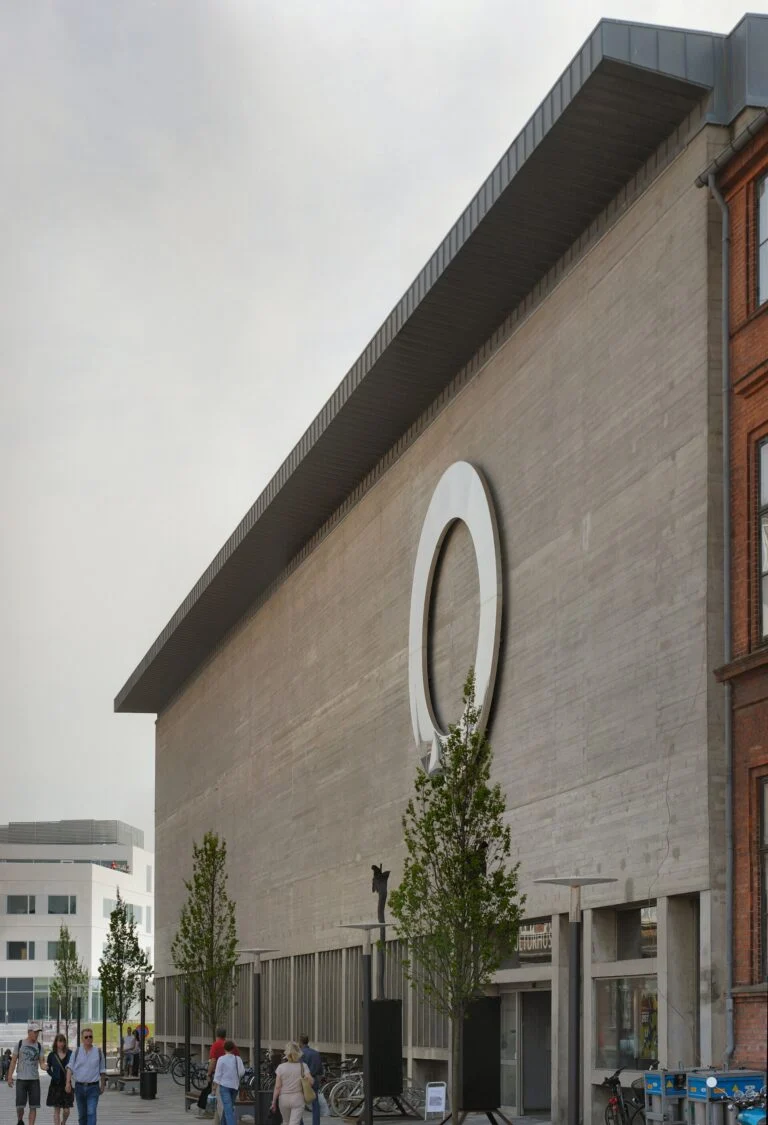
Approaching the Detroit Institute of Arts sets the stage for an immersive cultural experience. The building itself is a commanding structure, with its neoclassical façade adorned by stone columns and detailed friezes hinting at the grandeur within. The museum’s entrance opens onto a spacious, light-filled lobby that immediately conveys a sense of welcome and calm. Visitors are greeted by clear signage and a reception area staffed with knowledgeable personnel ready to assist with tickets and information. Visible around the lobby are sculptures and decorative artworks that provide an introductory glimpse into the diverse range of collections housed inside. Large windows offer views of the surrounding campus, including the complementary Detroit Public Library, enhancing the cultural ambiance. The sense of space and order present upon arrival is indicative of the museum’s commitment to an enjoyable and accessible visitor experience.
Highlights and Key Exhibitions
The Detroit Institute of Arts boasts an encyclopedic collection that spans millennia and crosses continents, presenting masterpieces from ancient times to contemporary works. Among its most celebrated treasures are the Diego Rivera Detroit Industry murals, a series of frescoes painted in the 1930s that depict the city's industrial workers and manufacturing plants, capturing the spirit of Detroit’s motor industry. These murals, situated in the Rivera Court, are widely regarded as one of the museum’s iconic highlights and offer a profound narrative linking art and social history.
The European art collection features pieces from renowned masters such as Rembrandt, Van Gogh, and Monet, alongside significant works from the Renaissance, Baroque, and Impressionist periods. Photography and printmaking also have strong representation, showcasing developments in visual media over time.
The museum’s African and African-American collections deserve particular attention for their depth and curatorial significance. These galleries reflect the cultural heritage and contemporary expressions of African diasporic communities, serving as powerful counterpoints within the broader collection.
Ancient art from Egypt, Asia, and the Americas provides visitors with insight into early civilizations and artistic traditions, with artifacts ranging from sculptures and ceramics to textiles. The modern and contemporary art sections introduce experimental and avant-garde pieces, engaging visitors with evolving dialogues around aesthetics and society.
Visitor Experience
The Detroit Institute of Arts is designed to accommodate a wide range of audiences, balancing scholarly pursuits with public engagement. Signage throughout the museum is clear and informative without overwhelming, supported by well-maintained wall texts and multimedia stations that offer additional context. Audio guides and mobile app integration enhance the visitor experience by providing deeper information on select works and thematic tours, although their availability varies.
Gallery layouts allow for an intuitive flow, dividing the collection geographically and chronologically, facilitating both casual exploration and focused study. Seating areas, especially in the Rivera Court and near major works, invite reflection and rest, crucial for longer visits.
The museum’s educational programming, including public lectures, workshops, and family-oriented activities, complements the permanent collection by fostering interactive learning. Accessibility features are thoughtfully implemented, with ramps, elevators, and seating accommodations ensuring inclusivity. The museum café offers a pleasant respite with a varied menu that caters to diverse dietary preferences, while the gift shop presents a curated selection of art-themed merchandise and publications.
Tickets, Access, and Planning
Admission to the Detroit Institute of Arts is structured to encourage widespread access. While some special exhibitions may require separate tickets, the general admission policy supports free or nominal-cost entry for local residents and specific groups. Discounted rates are typically available for seniors, students, and children, promoting affordability.
The museum’s location in Midtown Detroit makes it accessible by car, public transit, and bicycle, with ample parking facilities nearby. Its proximity to other cultural landmarks facilitates a fuller cultural excursion. The museum’s hours of operation are accommodating, although visitors should consult the official website for the latest details and any holiday closures or special events that may impact scheduling.
The official website offers comprehensive resources for planning visits, including maps, exhibition guides, and visitor services. This digital presence is critical for contemporary museum-goers seeking to maximize their experience efficiently.
Final Verdict
The Detroit Institute of Arts excels as an institution that marries historical richness with contemporary relevance. Its collection impresses through sheer breadth and quality, addressing global artistic traditions while rooting itself firmly in Detroit’s unique narrative. The museum’s dedication to accessibility, education, and community engagement reinforces its role not just as a repository of art but as a vital cultural hub.
While certain areas, particularly in terms of signage and digital interactivity, could be enhanced to further engage a tech-savvy audience, the overall visitor experience remains highly positive. The preservation of the Diego Rivera murals alone places the museum on the international cultural map, and the diversity of its collections ensures that no single visit captures its full magnitude.
For both art enthusiasts and casual visitors, the Detroit Institute of Arts offers enriching encounters grounded in both beauty and historical insight. It remains a key highlight of Detroit’s cultural renaissance and a must-visit for anyone interested in the profound power of art to reflect and shape society.