Royal Air Force Museum London Review
Military Museums · London, United Kingdom. The Royal Air Force Museum London stands as a monumental institution dedicated to chronicling the evolution and legacy of the Royal Air Force (RAF), an integral component of Britain’s military history. Established in 1972,…
Military Museums · London, United Kingdom. The Royal Air Force Museum London stands as a monumental institution dedicated to chronicling the evolution and legacy of the Royal Air Force (RAF), an integral component of Britain’s military history. Established in 1972,…
Best forArchitecture, royal history, heritage
Review focusArchitecture, history, visitor experience
Historical Context
The Royal Air Force Museum London stands as a monumental institution dedicated to chronicling the evolution and legacy of the Royal Air Force (RAF), an integral component of Britain’s military history. Established in 1972, the museum captures nearly a century of aviation heritage, from the birth of the RAF during the tumult of World War I to its prominent role in contemporary aerial defense and innovation. The RAF, formed in 1918, quickly became a pioneering force in air warfare and influenced global aviation technology and strategy. The museum’s collection reflects this rich history through an extensive array of aircraft, memorabilia, and artifacts that trace the development of flight and the strategic significance of air power in modern conflicts. Situated in the London Borough of Barnet, adjacent to RAF Hendon, the museum leverages its historical ties to the airfield where many early RAF pioneers trained and operated. This context situates the institution not only as a repository of artifacts but also as a living tribute to the bravery, skill, and innovation fostered within Britain’s air forces over the decades.
What You See on Arrival
Approaching the Royal Air Force Museum London, visitors are greeted by a striking exterior that hints at the grandeur of its contents. The entrance is marked by imposing gates and subtle yet iconic RAF insignias that set the tone for an immersive experience. The museum is housed within a collection of hangars that have been carefully preserved and repurposed, maintaining an authentic aviation atmosphere. Immediate views of meticulously restored aircraft positioned in open spaces and adjacent buildings evoke a tangible sense of history and scale. The layout is intuitive, guiding visitors efficiently towards ticketing and introductory spaces, including a well-appointed lobby that houses a gift shop and café. Externally, the museum grounds include landscaped areas where outdoor exhibits complement the internal displays, allowing visitors to appreciate the physical dimensions and engineering marvels of various aircraft. The site’s accessibility is enhanced by clear signage and visitor information boards that provide a preview of the extensive journey through the RAF’s past and present.
Highlights and Key Exhibitions
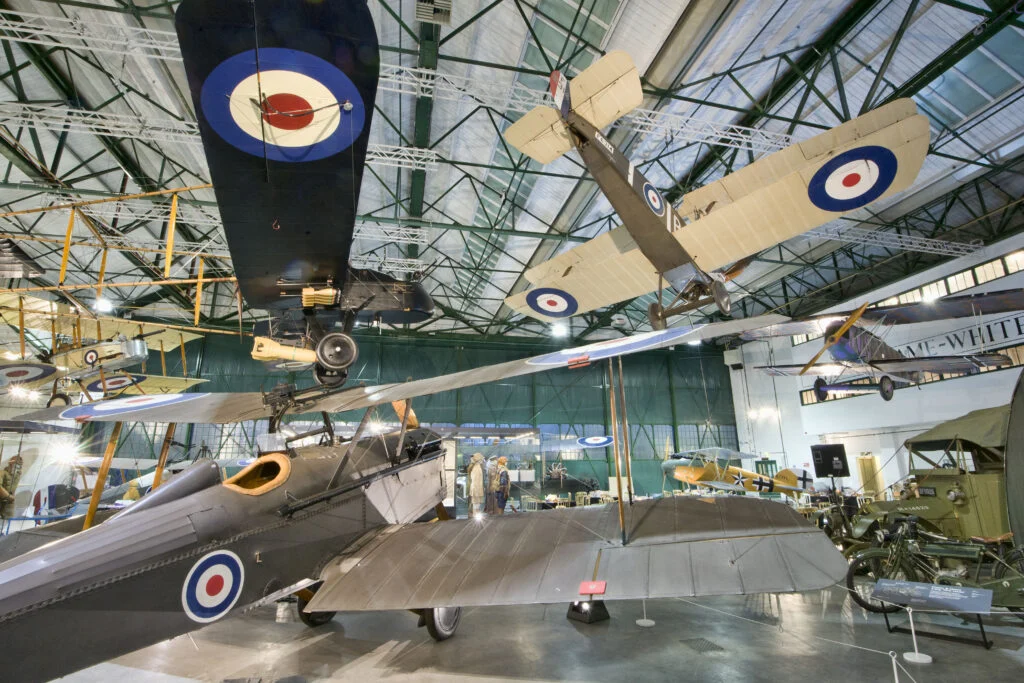
The museum’s collection is arguably among the most comprehensive in the world, featuring an impressive array of more than 100 aircraft that span the breadth of aviation history. Central highlights include iconic planes such as the Spitfire and Hurricane, which played crucial roles during the Battle of Britain, as well as the Cold War era Vulcan bomber, illustrating the technological advancements in military aviation. Exhibitions are thoughtfully arranged chronologically as well as thematically, illuminating the RAF’s multifaceted story—from early aviation experiments and wartime heroism to peacetime contributions and aerial innovation.
The Bomber Command Hall stands as a solemn tribute to those who served in this critical yet perilous aspect of RAF operations. It combines dramatic aircraft displays with compelling personal stories and multimedia presentations, providing a visceral sense of the sacrifices entailed. Another significant area, the Grahame White Site, focuses on the early days of British aviation and RAF formation, enriched by artifacts including uniforms, flight instruments, and archival photographs.
Interactivity and technology are used judiciously, enhancing engagement without overshadowing the artifacts themselves. Flight simulators, although limited, offer a hands-on glimpse into piloting, while detailed information panels ensure context-rich learning. The museum also pays particular attention to the role of women in the RAF and diverse personnel contributions, broadening the narrative beyond traditional combat roles.
Visitor Experience
The Royal Air Force Museum London presents a visitor experience that balances educational depth with accessibility. The spatial arrangement within the hangars allows for leisurely exploration while maintaining a coherent storyline that is both informative and captivating. Audio guides and companion apps enhance self-directed visits, offering layered insights for those wishing to delve deeper. The atmosphere, punctuated by the grandeur of the aircraft suspended above or displayed on the ground, invokes awe and respect, appealing to aviation enthusiasts and general audiences alike.
The museum staff are generally noted for their professionalism and willingness to assist, ensuring smooth navigation and engagement with exhibits. Educational groups and families benefit from structured programs and hands-on activities designed to heighten understanding and enjoyment across age groups. Facilities including rest areas, restroom amenities, and dining options are carefully maintained and integrated into the overall experience.
While the museum is extensive, signage and visitor flow optimizations minimize any potential feeling of overwhelm, making it possible to tailor visits according to time constraints or specific interests. Occasional tactile displays and family-friendly zones contribute to a welcoming environment that accommodates diverse visitor needs.
Tickets, Access, and Planning
Admission to the Royal Air Force Museum London is generally free, a notable advantage that makes the rich content accessible to a broad audience. Donations and special event fees are occasionally applicable but do not detract from the availability of the core exhibitions. The museum operates daily hours, typically from morning until early evening, with seasonal adjustments. Its official website provides updated information on opening times and any temporary closures.
The museum is conveniently accessible by public transport with nearby railway and bus links. Parking facilities are available, although capacity can be limited during peak periods, so advance planning is recommended. The site offers good accessibility provisions, including wheelchair access, hearing aid loops, and mobility aids, ensuring an inclusive environment.
Visitors are advised to allocate several hours for a thorough visit, as the breadth of collections and exhibitions warrants ample time for exploration. Photography is generally permitted, with certain restrictions to protect sensitive exhibits. Food and drink options cater to varying preferences, though visitors may wish to consider nearby amenities for extended meal breaks.
Final Verdict
The Royal Air Force Museum London stands out as an authoritative and evocative repository of Britain’s air power heritage. It successfully marries historical depth with engaging presentation, offering a comprehensive overview that honours both technological progress and human stories integral to the RAF’s enduring legacy. The museum’s free admission policy enhances its role as a cultural and educational resource, while its location and infrastructure support a seamless visit.
Though some could argue for even greater interactivity or expanded temporary exhibitions to refresh returning visitor interest, the museum’s steady emphasis on narrative clarity and artifact preservation ensures a respectful and impactful experience. It appeals strongly to aviation enthusiasts, history buffs, educators, and families alike, making it a versatile destination within London’s rich cultural tapestry.
For those seeking to understand the role of air power in shaping modern Britain and to appreciate the technological marvels and heroic narratives associated with the RAF, this museum offers an exceptional and memorable journey through the skies of history.