
Oceania Museum Reviews
This Oceania museum reviews hub is designed to help readers compare museum visits with more context than a simple list can provide. The aim is to make regional museum planning easier by explaining what kinds of experiences matter, how museums differ from one another, and how a visitor can choose between major institutions, specialist collections, local heritage spaces, and cultural landmarks.
Museums across Oceania can vary widely in scale, subject, atmosphere, accessibility, and visitor value. Some are built around world-famous collections, while others are strongest because of local identity, architecture, archaeology, design, science, social history, or a powerful sense of place. A useful regional guide should help readers understand those differences before they travel.
Why Oceania Museum Reviews Need Context
A museum visit is rarely defined by reputation alone. A famous name may be essential for some visitors but overwhelming for others. A smaller museum may offer a clearer, calmer, and more memorable experience than a larger institution if the storytelling is strong and the collection is well presented.
This page is therefore written as a planning hub, not only as a directory. It helps readers think about collection quality, exhibition clarity, building and setting, time required, ticket value, access, nearby cultural areas, and whether a museum suits a first visit, a family trip, a specialist interest, or a slower cultural itinerary.
What Readers Can Compare Here
- Collection strength, rarity, and cultural importance
- Exhibition design, interpretation, and storytelling quality
- Architecture, atmosphere, location, and visitor flow
- Planning value, accessibility notes, ticket considerations, and likely visit length
- Suitability for first-time visitors, families, students, researchers, and cultural travelers
Planning Museum Travel Across Oceania
When planning museum travel across a region, it helps to avoid choosing only the most famous names. A stronger itinerary usually balances major museums with smaller places that explain local history, design, memory, or cultural identity. This creates a better sense of the region and prevents every visit from feeling the same.
Readers should also consider practical details before deciding. Opening hours, ticket rules, temporary exhibitions, renovation work, language support, accessibility, and crowd levels can all change how a visit feels. For final planning, the official museum website should always be checked before booking or travelling.
How Global Museum Reviews Evaluates Regional Coverage
Global Museum Reviews keeps regional coverage independent and visitor-focused. The purpose is to help readers understand why a museum matters, what kind of visit it offers, and whether it is likely to be worth the time within a wider cultural trip.
Reviews and rankings are not paid placement lists. Commercial links, advertising, and ticket options do not decide which museums are recommended or how they are described. For more detail about how museums are assessed, read our Review Methodology, Editorial Guidelines, and Corrections and Updates Policy.
Latest Oceania Museum Reviews
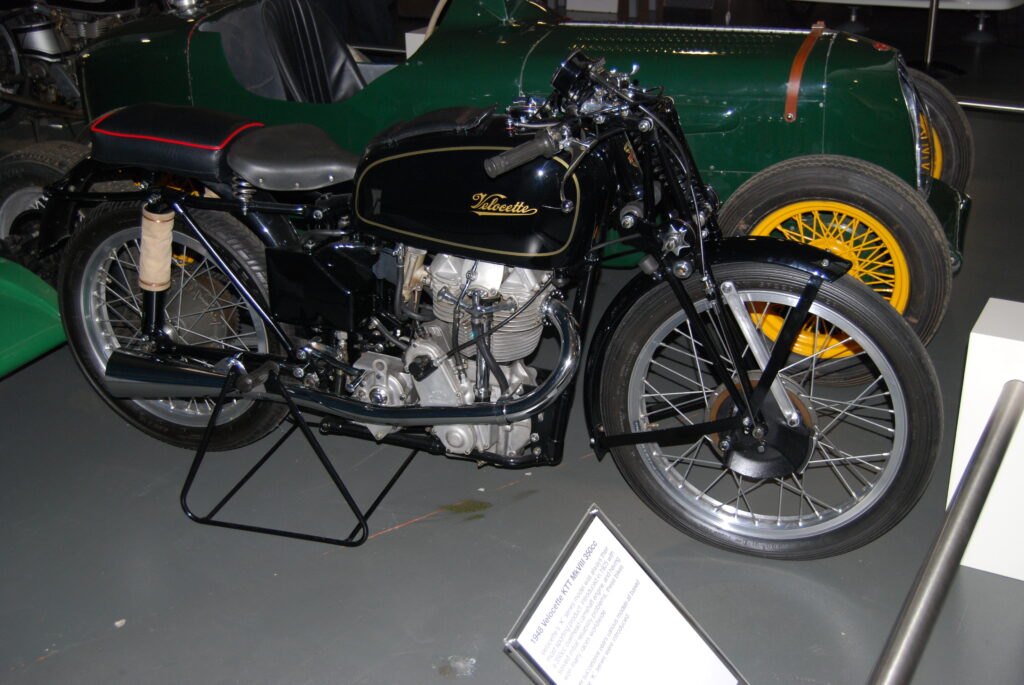
National Motorcycle Museum Australia Review
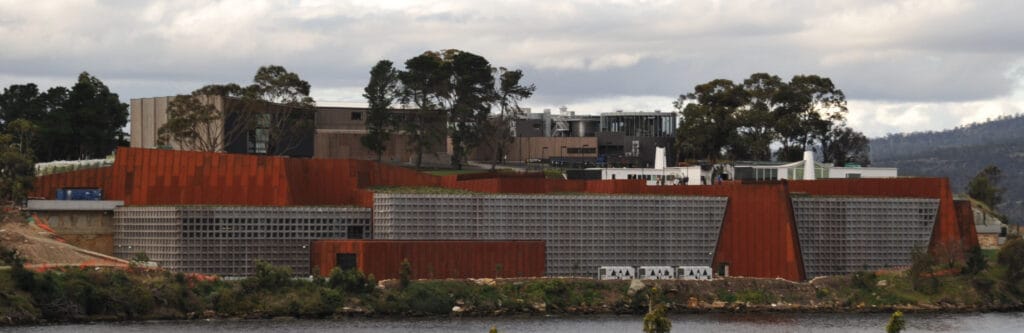
Museum of Old and New Art Review
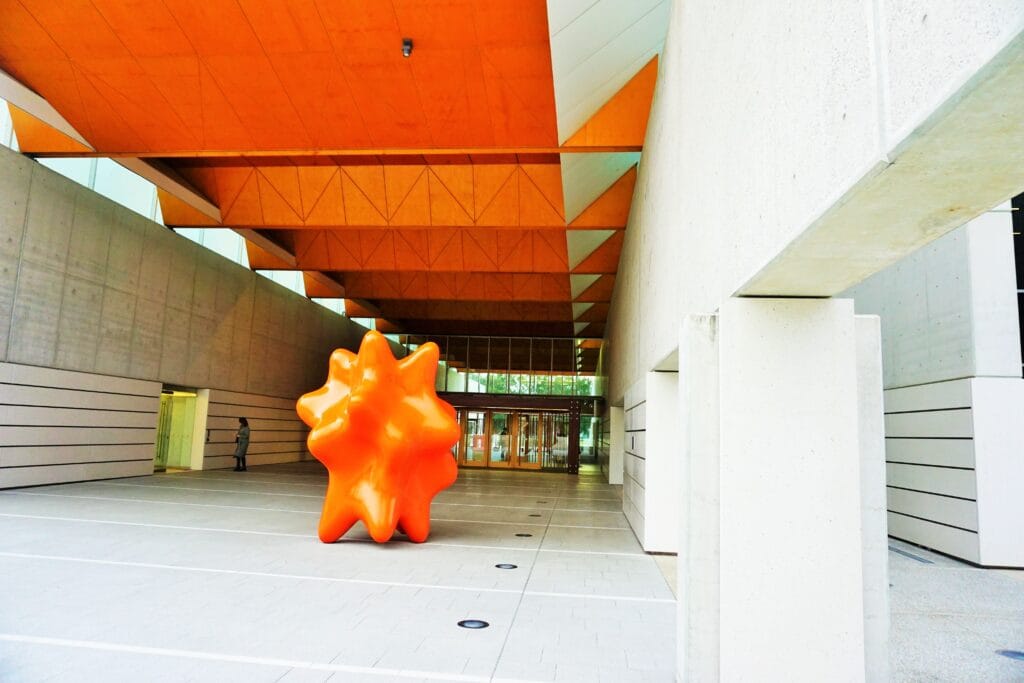
National Portrait Gallery Canberra Review
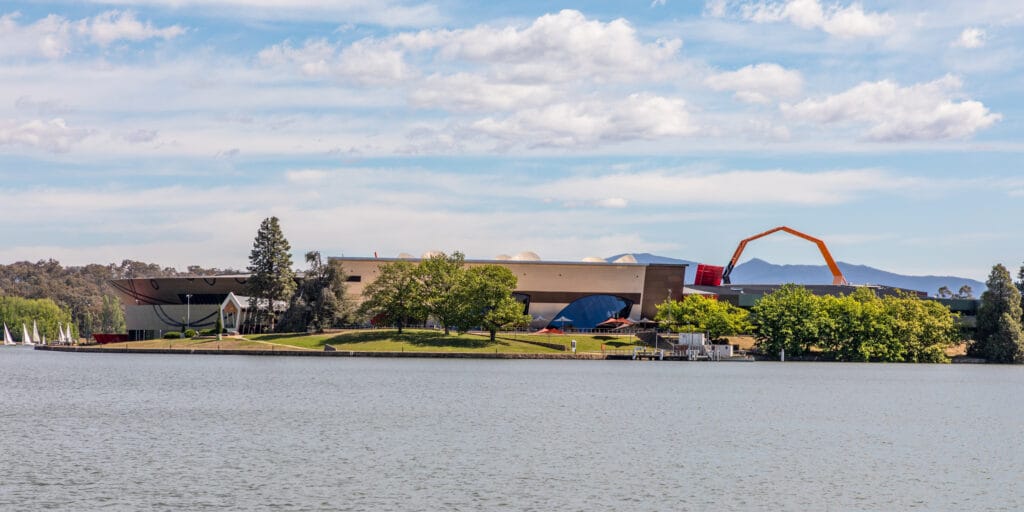
National Museum of Australia Review
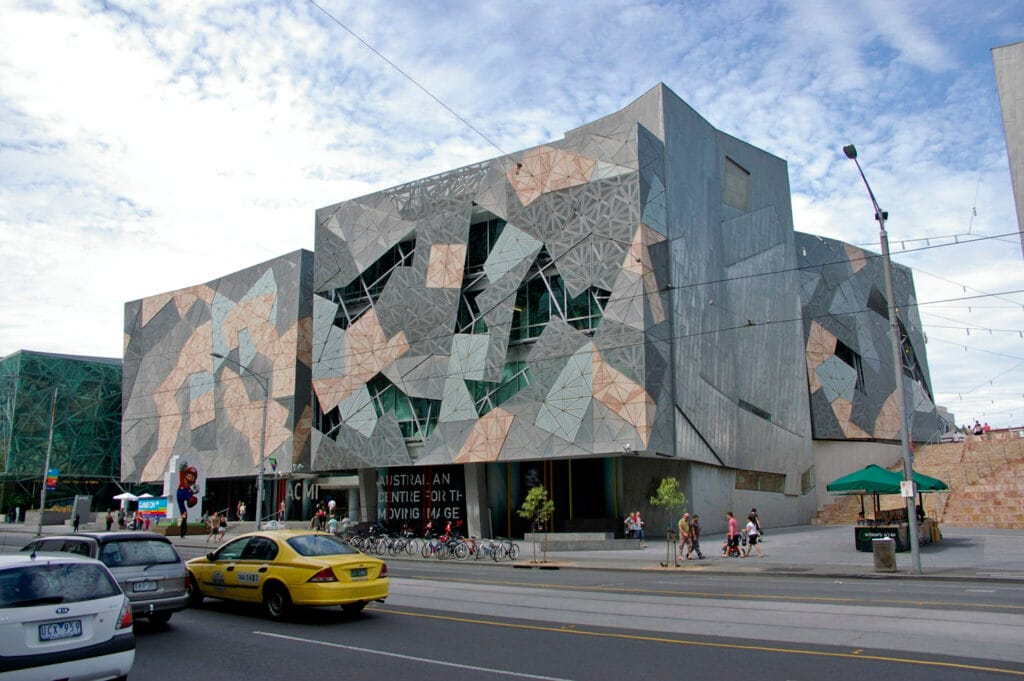
Australian Centre for the Moving Image Review
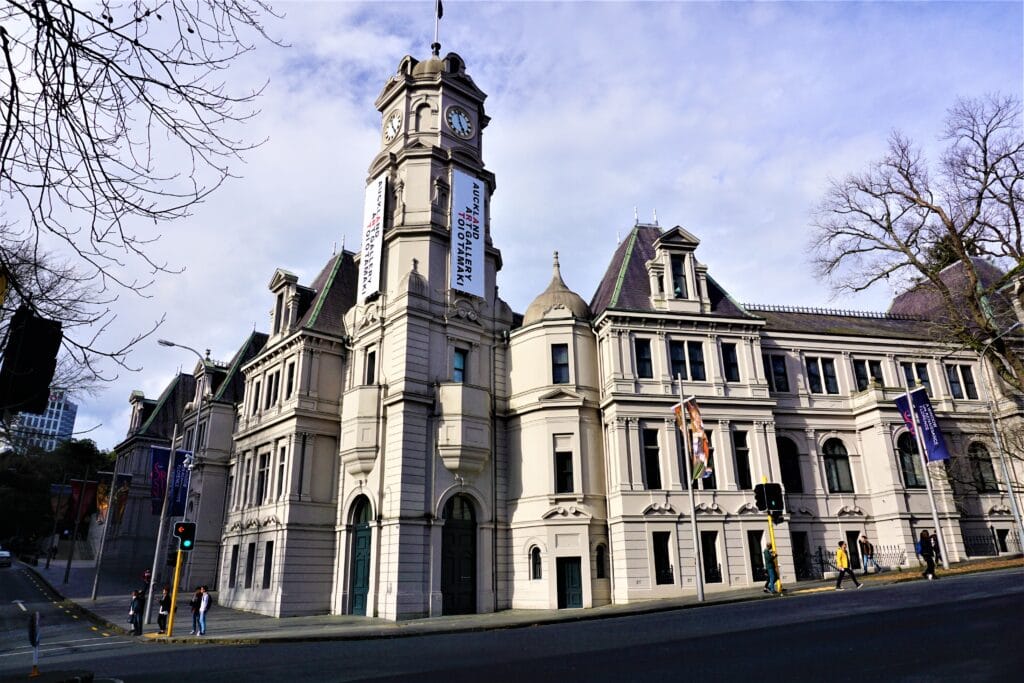
Auckland Art Gallery Toi o Tāmaki Review
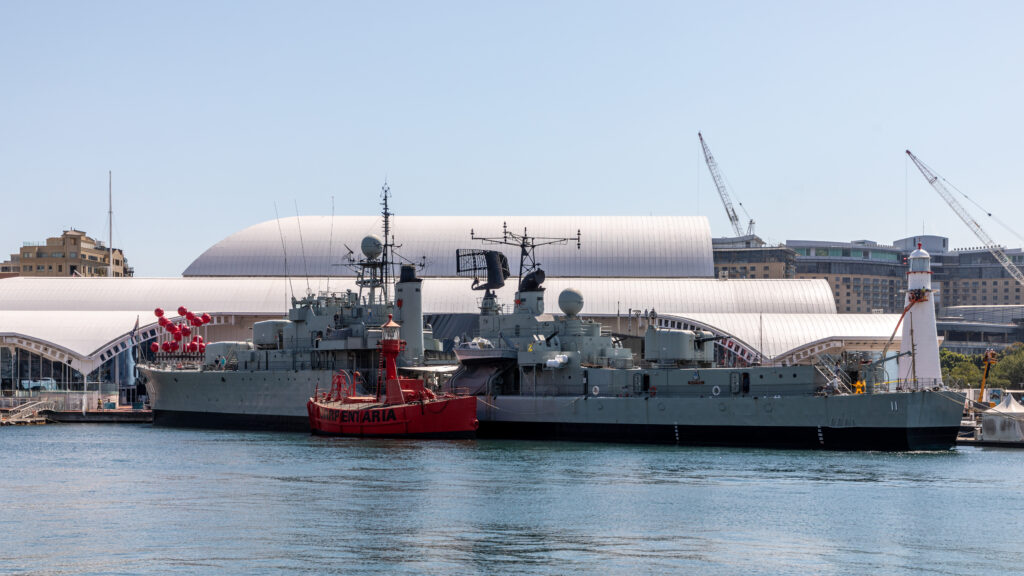
Australian National Maritime Museum Review
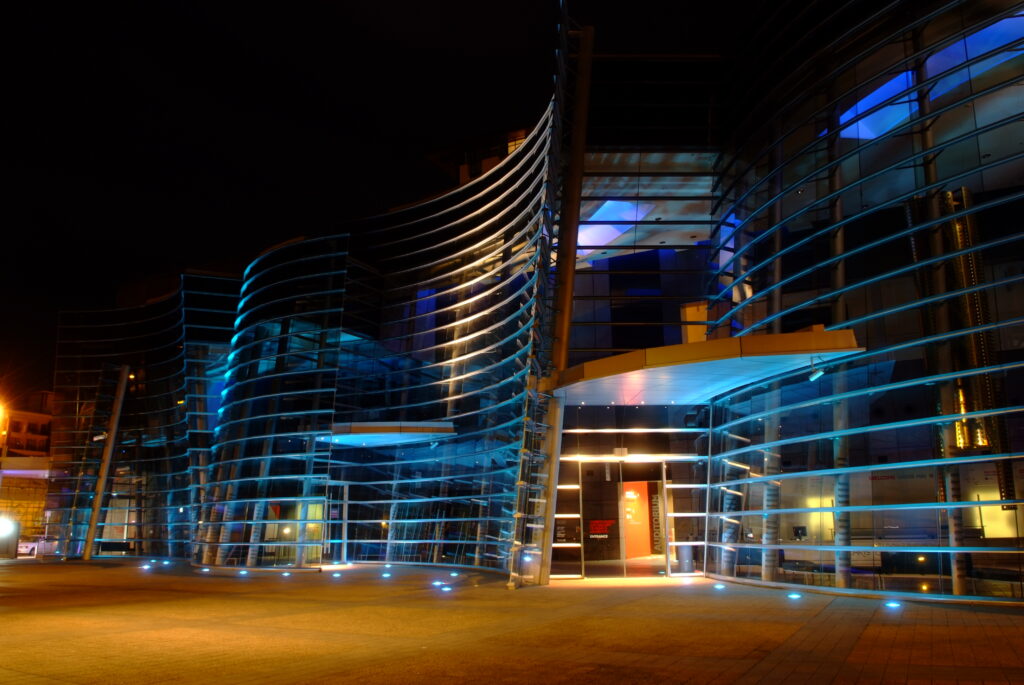
Christchurch Art Gallery Review
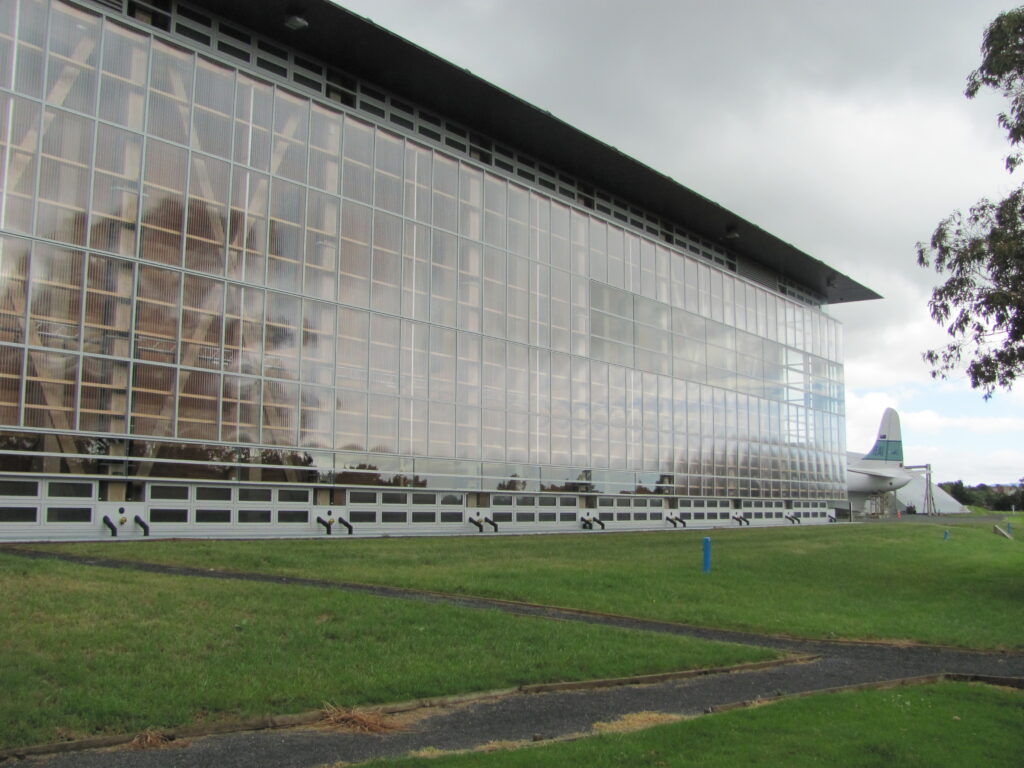
Museum of Transport and Technology Review
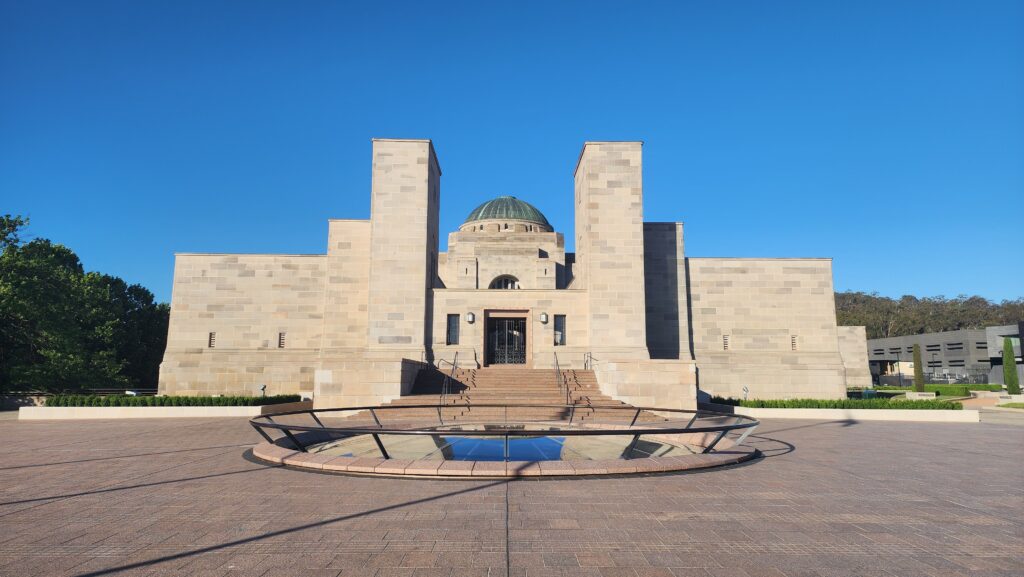
Australian War Memorial Review
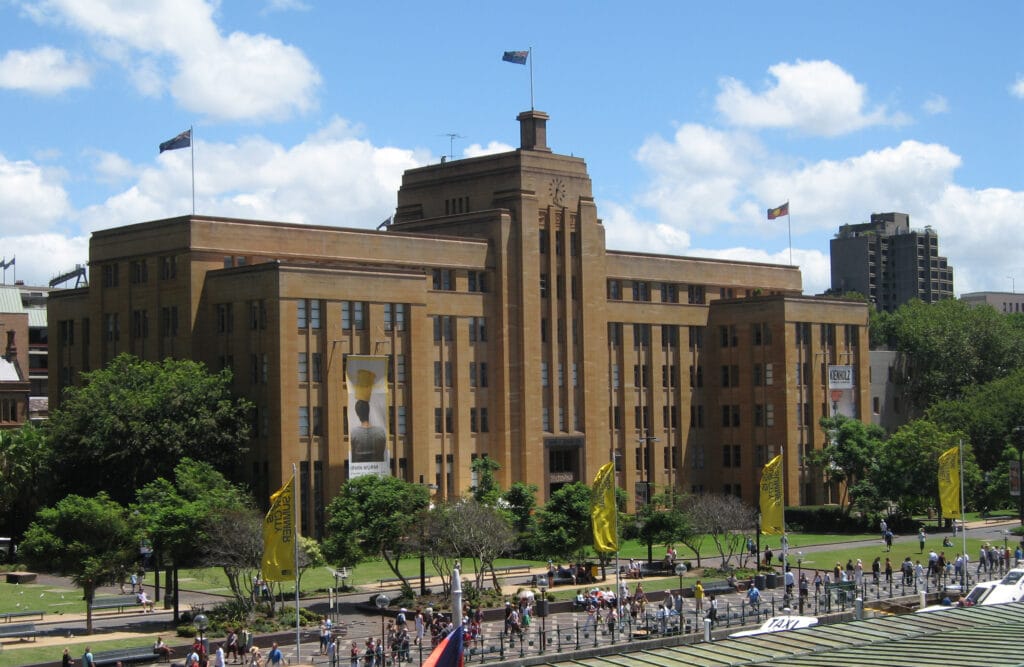
Museum of Contemporary Art Australia Review
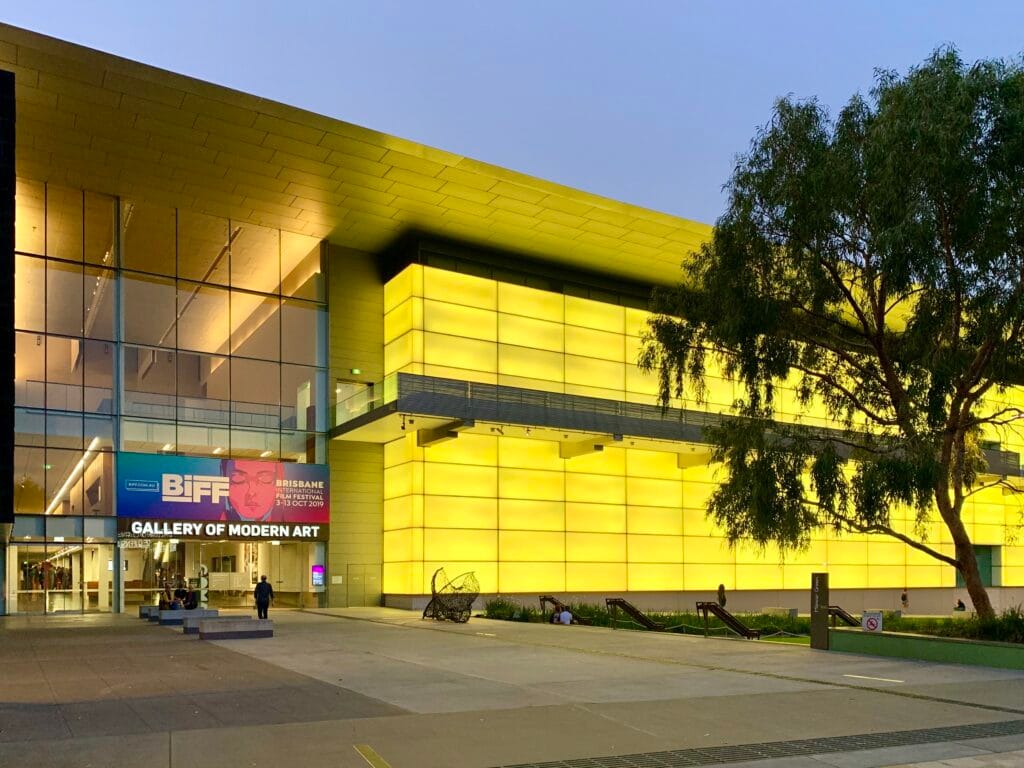
Queensland Art Gallery and Gallery of Modern Art Review
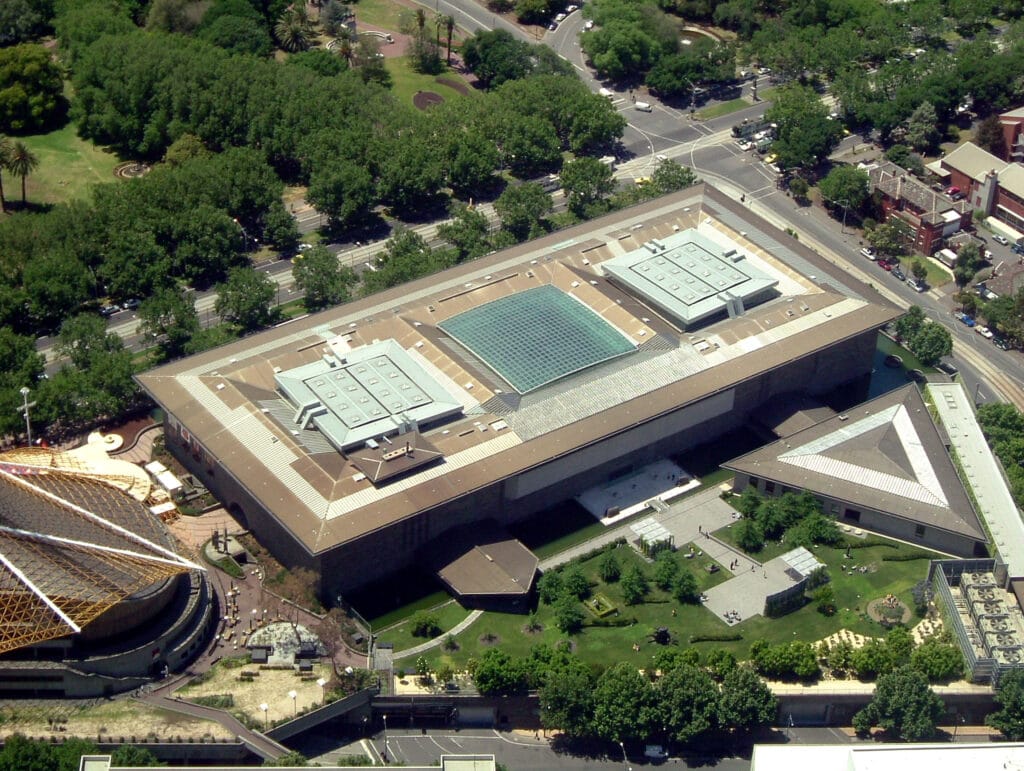
National Gallery of Victoria Review

Art Gallery of New South Wales Review
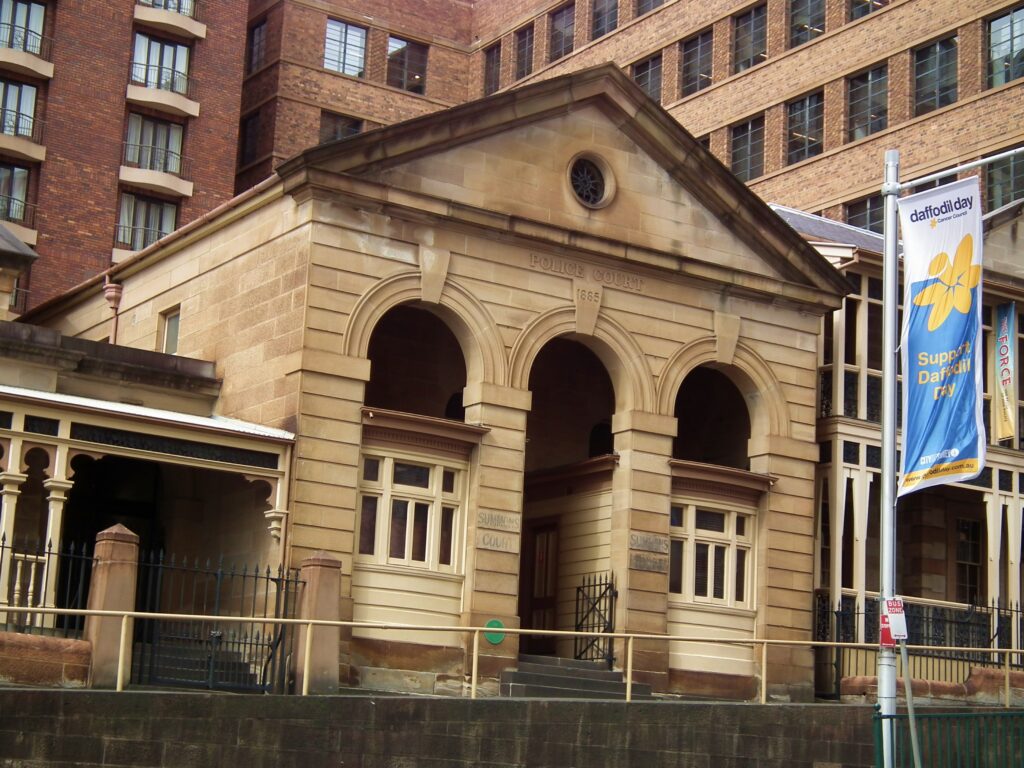
Justice & Police Museum Review
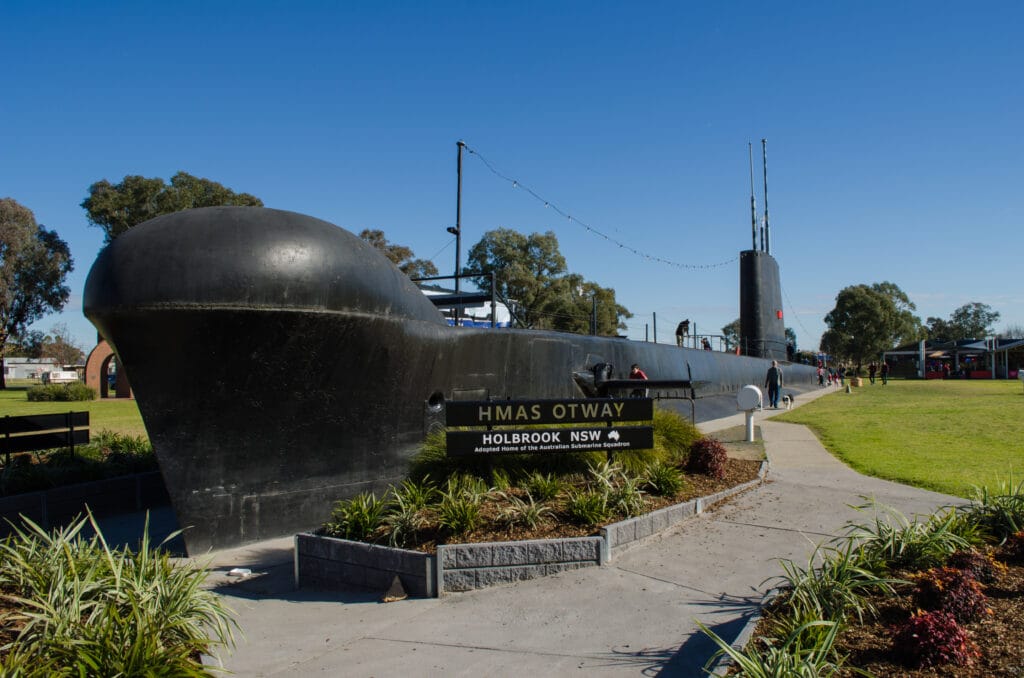
Holbrook Submarine Museum Review
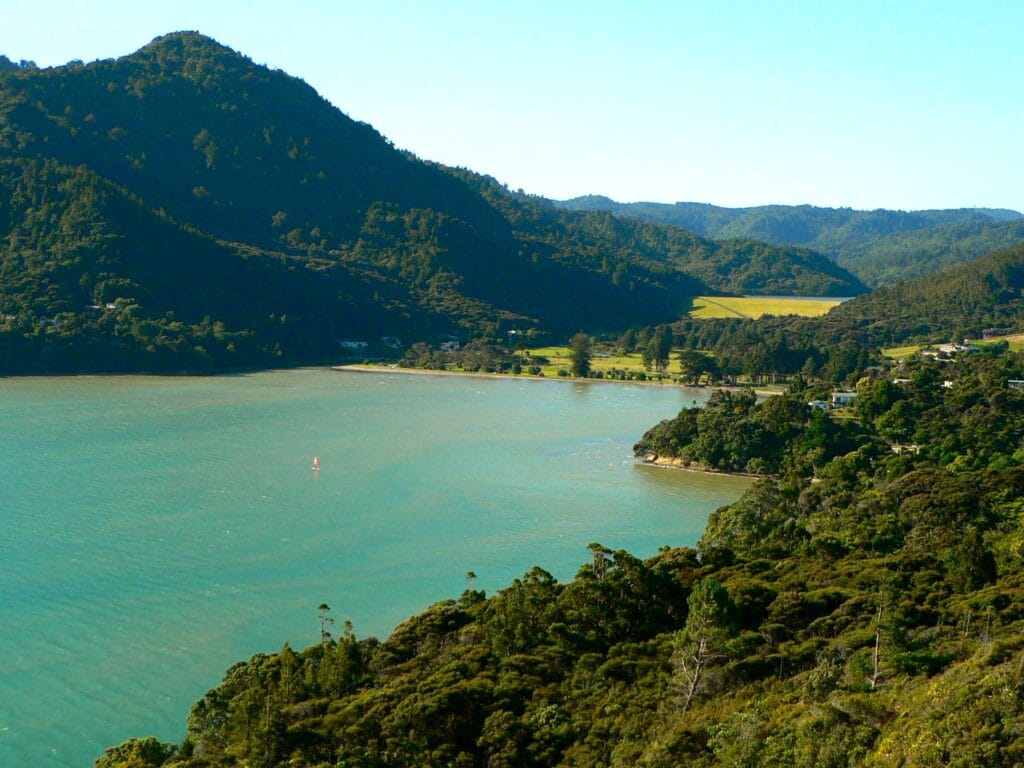
Huia Settlers Museum Review
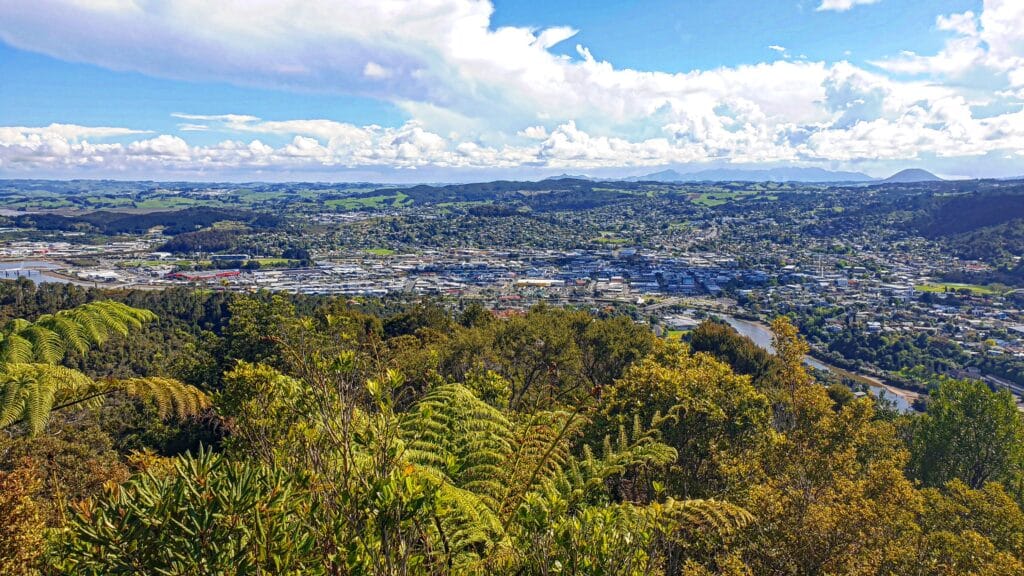
Whangarei Museum and Heritage Park Review
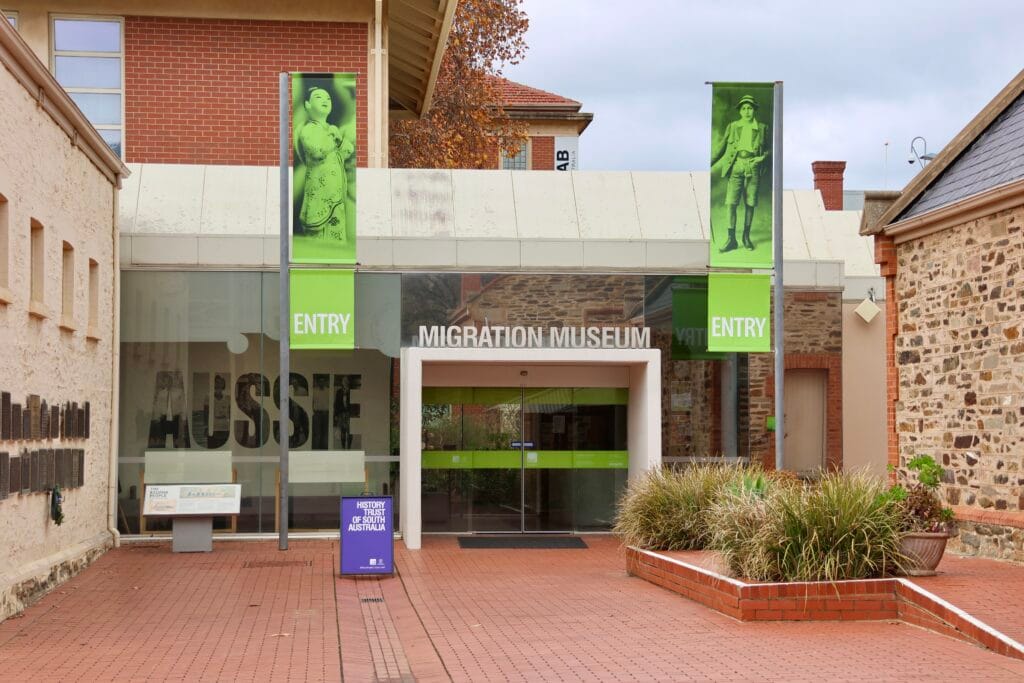
Migration Museum South Australia Review
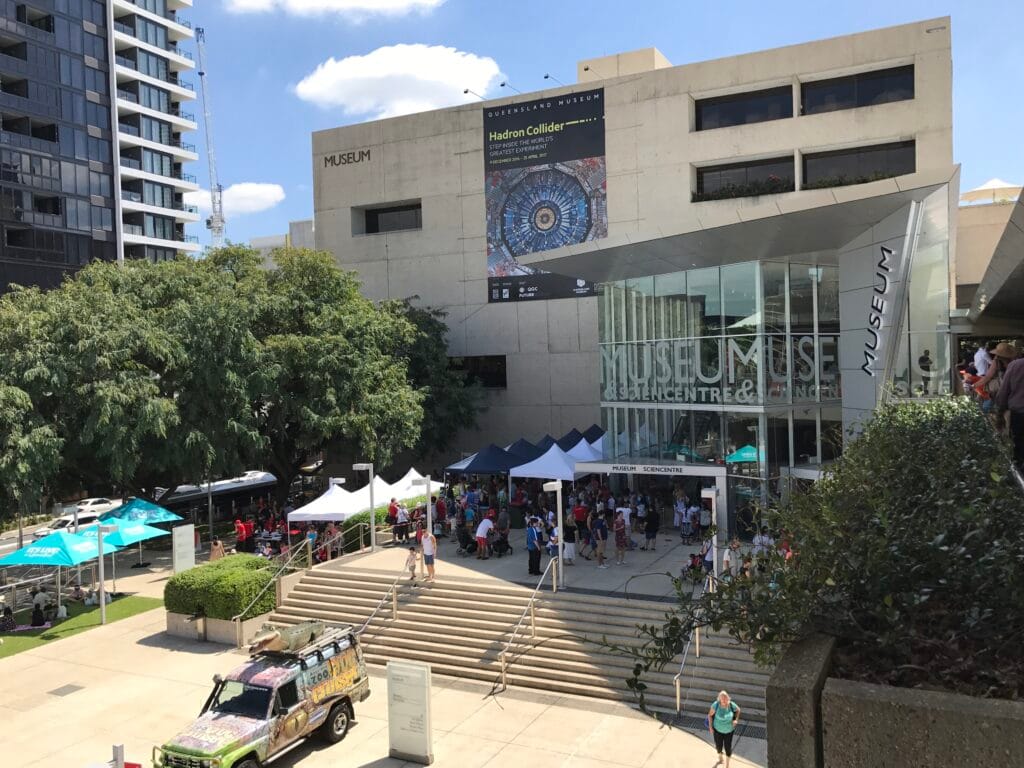
Queensland Museum Kurilpa Review

National Museum and Art Gallery Review
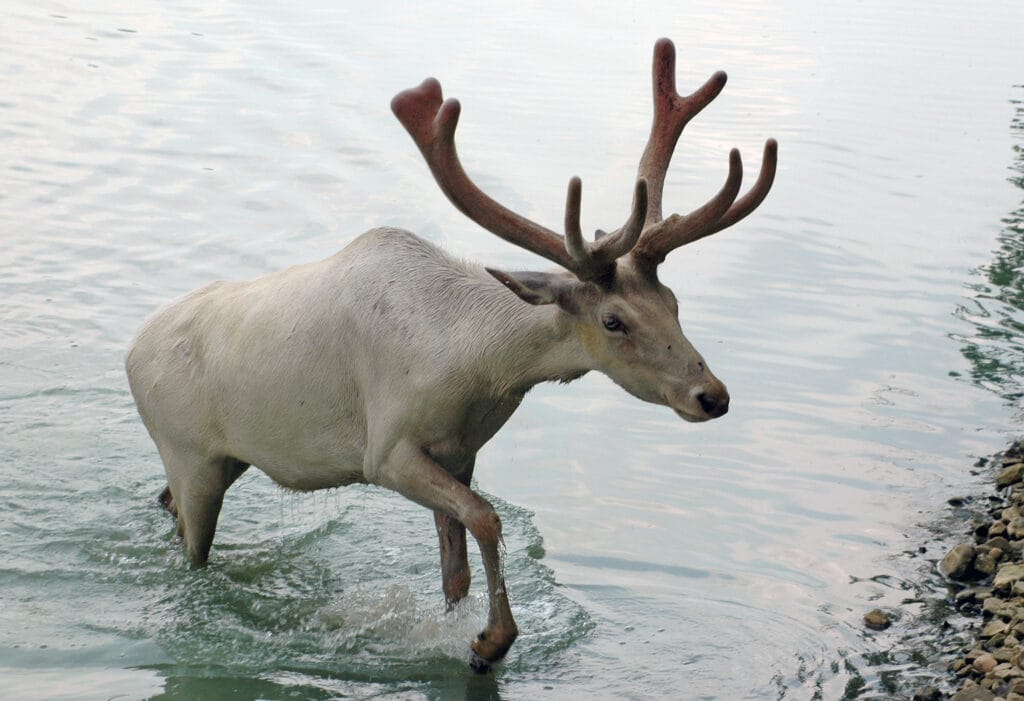
Otago Museum Review
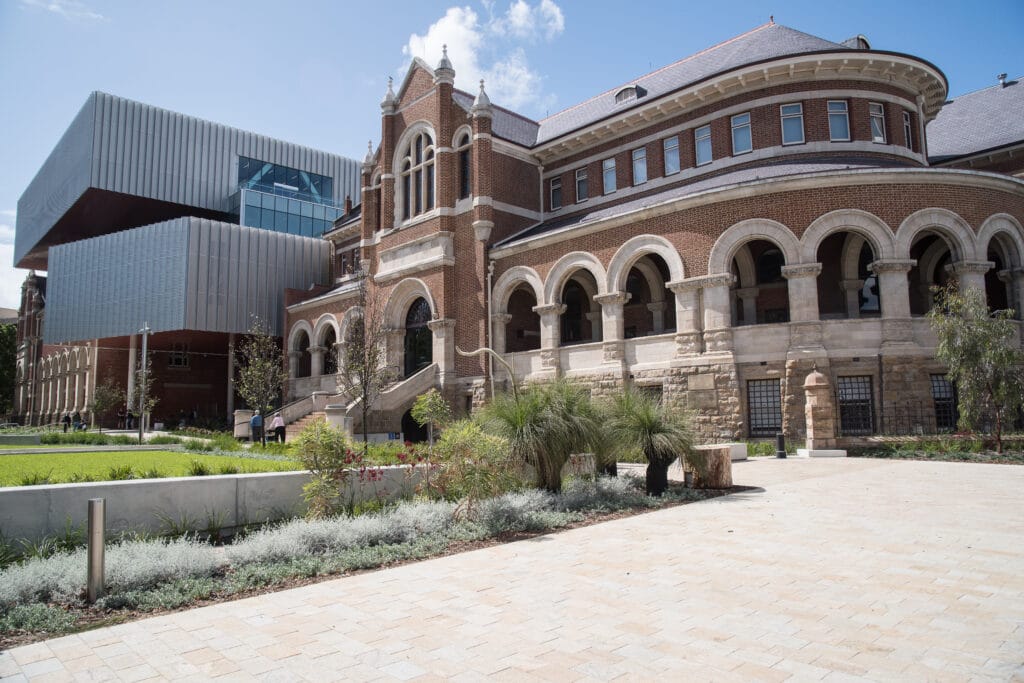
Western Australian Museum Boola Bardip Review
