Australian National Maritime Museum Review
Maritime Museums · Sydney, Australia. The Australian National Maritime Museum, positioned in Sydney, Australia, is a prominent institution dedicated to preserving and celebrating the nation’s rich maritime heritage. Established in 1991, the museum conveys a narrative that spans…
Maritime Museums · Sydney, Australia. The Australian National Maritime Museum, positioned in Sydney, Australia, is a prominent institution dedicated to preserving and celebrating the nation’s rich maritime heritage. Established in 1991, the museum conveys a narrative that spans…
Best forMasterpieces, architecture, cultural history
Review focusCollection highlights, building, visitor flow
Historical Context
The Australian National Maritime Museum, positioned in Sydney, Australia, is a prominent institution dedicated to preserving and celebrating the nation’s rich maritime heritage. Established in 1991, the museum conveys a narrative that spans Indigenous Australia's ancient connection with the sea, through the era of European exploration and colonization, to contemporary maritime culture and technology. Its foundation reflects Australia’s intrinsic ties to the ocean, underscoring how maritime endeavors have profoundly shaped the country’s development in trade, defense, and cultural exchanges. By situating itself at Darling Harbour, an area historically intertwined with shipping and naval activity, the museum solidifies its role as a custodian of Australia's nautical past, while also promoting awareness about marine conservation and maritime innovation. The institution’s collections and exhibitions are informed by scholarly research and collaboration with maritime experts, anchoring it as an authoritative venue in the broader narrative of both national and global seafaring history.
What You See on Arrival
Situated near the vibrant Darling Harbour promenade in Sydney, the Australian National Maritime Museum’s exterior presents a blend of modern design and maritime symbolism. Visitors approaching the site are immediately aware of the museum’s thematic focus through its architectural cues—nautical colors, wave-inspired contours, and maritime flags. The waterfront setting offers striking views of Sydney’s harbor, providing a natural prelude to the museum’s subject matter. Upon entering, the entrance hall features expansive open spaces illuminated by natural light that reflects off polished surfaces reminiscent of ship hulls. It is common to encounter scale models of historic vessels, intricate maritime artifacts, and interactive displays introducing the various facets of Australia’s maritime story. The integration of outdoor and indoor spaces allows for a seamless transition from the gleaming harbor environment into immersive explorations of seafaring heritage.
Highlights and Key Exhibitions
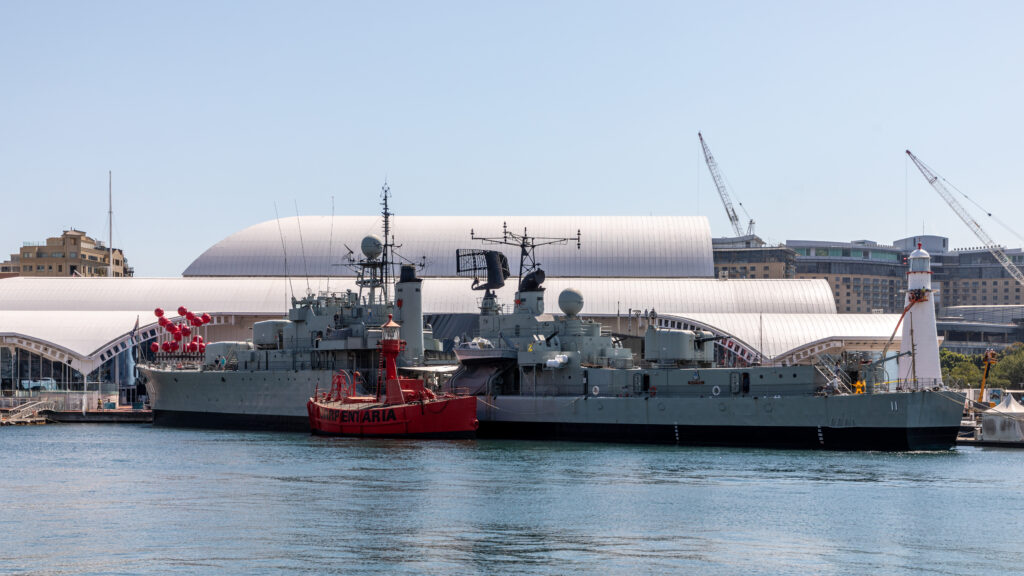
The Australian National Maritime Museum hosts an extensive array of permanent exhibitions, each providing a detailed perspective on different aspects of maritime history. One of the standout features is the collection of historic ships docked alongside the museum, offering visitors a tangible connection to maritime life. The HM Bark Endeavour Replica, a full-scale recreation of the ship commanded by Captain James Cook on his 18th-century Pacific voyage, is a crucial highlight. Walking aboard offers insights into the gritty realities of exploration and navigation during that era.
Inside the museum, exhibitions cover a wide chronological and thematic range. Exhibits focusing on Indigenous seafaring traditions illuminate coastal Aboriginal and Torres Strait Islander communities’ enduring relationship with the ocean. Elsewhere, detailed displays chronicle immigrant voyages that contributed to Australia’s cultural fabric, and the evolution of naval defense strategies during pivotal conflicts is comprehensively documented. The maritime art collection adds a creative dimension, showcasing works that capture both the beauty and power of the sea.
Further enhancing the visitor journey are interactive exhibits, including multimedia presentations and hands-on activities, aimed at fostering engagement for all ages. The museum’s commitment to education and storytelling is evident in its ability to combine historical artifacts with contemporary maritime issues, such as marine conservation and environmental responsibility.
Visitor Experience
The museum is designed to accommodate visitors of diverse interests and backgrounds. The spatial layout is logical and well-signposted, facilitating easy navigation between galleries and ship exhibits. Audio guides are available, providing layered commentary that caters to both casual visitors and maritime enthusiasts seeking in-depth knowledge. For younger audiences, tailored educational programs and interactive elements create an accessible and enjoyable learning environment.
Staff presence throughout the museum contributes positively to the experience, as personnel are knowledgeable and approachable, ready to assist with inquiries or offer additional information about exhibits. Facilities such as cafes, seating areas, and rest zones are incorporated thoughtfully, allowing visitors to pause and reflect between gallery visits.
The museum balances the preservation of delicate artifacts with visitor accessibility, often using replicas or digital displays to safeguard original pieces while delivering immersive content. The integration of technology enhances interpretation without overwhelming the narrative, maintaining a respectful tone that honors Australia’s multifaceted maritime legacy.
Tickets, Access, and Planning
Entry to the Australian National Maritime Museum is organized with an emphasis on accessibility and transparency. Ticket prices are clearly communicated via the official website, with discounts available for families, seniors, students, and groups. There are provisions for free or reduced admission on certain days or under specific circumstances, encouraging broad public engagement.
The museum’s location near central Sydney means it is well-served by public transport, including buses and trains, with clear directions provided for visitors arriving by car or on foot. Parking facilities are available but can be limited during peak times, so early arrival or alternative transport is advisable. The institution prioritizes accessibility for visitors with mobility challenges, offering ramps, elevators, and dedicated services to ensure an inclusive experience.
Planning a visit benefits from reviewing the museum’s online resources, which provide details on opening hours, guided tours, and any special events or educational workshops. Advanced booking options contribute to a smoother visitor journey, especially during holiday periods or school vacations when the museum experiences higher attendance.
Final Verdict
The Australian National Maritime Museum stands as a vital cultural institution that successfully encapsulates Australia’s extensive maritime heritage through thoughtful curation and engaging presentation. Its location in Sydney’s iconic harbor setting enriches the thematic experience, linking past and present with the natural environment that shaped the narratives on display. The museum’s strengths lie in its comprehensive coverage of historical epochs, its commitment to inclusivity and education, and the authentic experience offered by access to historic vessels.
At the same time, the museum must balance the breadth of its collections with the depth of interpretation, as at times the diversity of exhibits can feel sprawling, potentially challenging visitors who prefer a more focused experience. However, this is mitigated by the well-organized layout and the availability of audio guides that help tailor the visit to specific interests.
Overall, the Australian National Maritime Museum is an essential destination for those interested in maritime history, offering a rich, informative, and enjoyable exploration of the sea’s role in shaping Australian identity and global connections. Its blend of history, culture, and contemporary relevance ensures it remains a dynamic institution capable of inspiring and educating future generations.