Justice & Police Museum Review
Police Museums · Sydney, Australia. The Justice & Police Museum in Sydney, Australia, offers a unique window into the city’s complex legal and law enforcement history, tracing developments from the mid-19th century through to the late 20th century. Housed…
Police Museums · Sydney, Australia. The Justice & Police Museum in Sydney, Australia, offers a unique window into the city’s complex legal and law enforcement history, tracing developments from the mid-19th century through to the late 20th century. Housed…
Best forScience, technology, hands-on learning
Review focusExhibits, interpretation, visitor flow
Historical Context
The Justice & Police Museum in Sydney, Australia, offers a unique window into the city’s complex legal and law enforcement history, tracing developments from the mid-19th century through to the late 20th century. Housed in the former Water Police Court and Police Station, the building itself is a significant artifact, reflecting the architectural and civic priorities of its original function. The museum chronicles the evolution of criminal justice, policing practices, and courtroom proceedings, providing context for Sydney’s societal challenges, reforms, and law enforcement innovations over more than a century. Through its extensive collection of artifacts, documents, photographs, and records, the museum narrates stories of crime, punishment, and the human experiences intertwined with justice. This institution offers visitors the chance to understand how the notions of law and order have adapted to Sydney’s growth and changing social landscape, highlighting themes such as forensic science, police work, and courtroom drama in a manner that is both educational and evocative.
What You See on Arrival
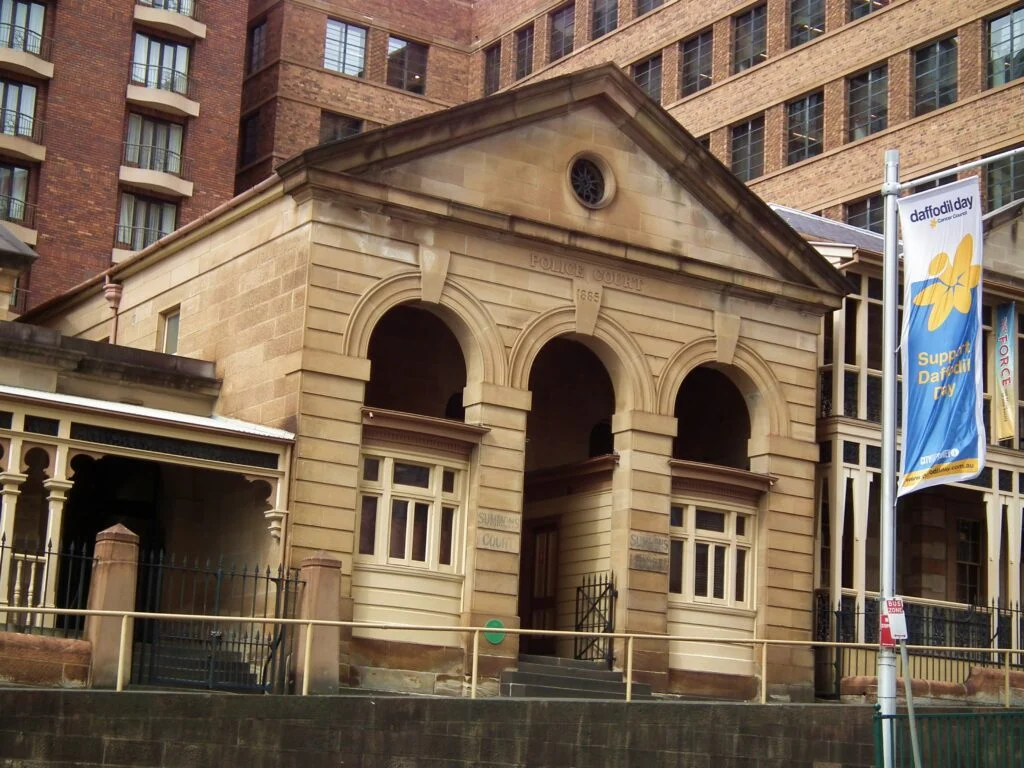
Upon approaching the Justice & Police Museum, visitors are greeted by a distinctive sandstone façade that immediately signals the building's historic significance. The structure’s classic features—including barred windows, heavy wooden doors, and original ironwork—establish an atmosphere reflective of its former judicial and policing role. This architectural authenticity sets the tone for an immersive journey into the past. The museum is situated within Sydney’s historic precinct, where echoes of its colonial and early modern era reverberate through the streets and surrounding structures. Outside, subtle signage guides visitors without detracting from the heritage aesthetic. Once inside, the atmosphere shifts to one characterized by a respectful reverence for the events and individuals represented across the museum’s many displays. The lobby includes informative panels and a small collection of items that gently usher guests into the thematic world of crime and justice. The ambiance manages to be both haunting and educational, preparing visitors for the complex storylines unfolding within the building’s walls.
Highlights and Key Exhibitions
The Justice & Police Museum is distinguished by its carefully curated permanent collection that spotlights several pivotal aspects of Sydney’s criminal justice history. One of the museum’s primary strengths lies in its authentic courtroom and police station settings, which have been preserved to demonstrate the procedural and social realities of earlier eras. Visitors can explore the original cells and the magistrate’s court, where historic cases were once heard, lending an intimate sense of place and immediacy to the exhibits. The museum also features an array of forensic tools and police equipment, illustrating the evolution of crime detection technologies and methodologies. These exhibits effectively narrate advances in fields such as fingerprinting and ballistics, underscoring how scientific progress has influenced law enforcement approaches.
Key displays extend to the personal stories of prisoners, officers, and lawyers, often told through detailed records, photographs, and artifacts that provide human context to what might otherwise be considered dry procedural history. One particularly compelling aspect of the collection is its attention to the social impacts of crime and justice, shedding light on marginalized communities and significant cases that resonated in Sydney’s collective memory. While the museum does not currently host temporary exhibitions, the permanent galleries are thoughtfully arranged to offer a comprehensive overview of both the triumphs and challenges inherent in dispensing justice over time.
Visitor Experience
The Justice & Police Museum delivers a visitor experience that blends education, reflection, and engagement with historical authenticity. The museum’s interpretative approach balances text, imagery, and objects in ways that cater to a broad audience, from casual tourists to students of law, history, or criminology. The physical layout prioritizes flow, leading visitors through sequential spaces that emulate the journey of those involved in the legal process—from arrest and incarceration to trial and beyond. This narrative structure enhances understanding by contextualizing the artifacts within procedural milestones, creating a compelling storyline.
Interpretive signage is clear and concise, supported by multimedia displays that supplement the physical exhibits and provide richer detail where appropriate. The museum also offers guided tours and educational programs, though availability and scheduling vary and may require advance booking. Audio guides add an additional layer of accessibility for independent visitors interested in a deeper dive without the need for a group experience. Careful attention to lighting and preservation ensures that the exhibits are visible and well-protected, though some areas, particularly original cells, naturally present a more somber or austere atmosphere.
Notably, visitor engagement is encouraged through interactive elements, such as mock trials or crime-solving simulations where available, which serve to bring history to life without undermining the seriousness of the subject matter. The museum manages to strike a delicate balance between authenticity, education, and empathy, fostering a thought-provoking and memorable visit.
Tickets, Access, and Planning
Entry to the Justice & Police Museum is reasonably priced, with concessions available for seniors, students, and children, making it an accessible option for families and educational groups. Admission fees include access to all permanent exhibitions, with additional costs occasionally attached to special tours or programs. Visitors are advised to check the official website for current ticketing information and any changes to opening hours or seasonal schedules.
The museum is conveniently located within Sydney’s central historic district, accessible by public transportation, private vehicle, or on foot from nearby landmarks. Parking options are limited in the immediate vicinity, so public transit is generally recommended. The building itself has constraints typical of heritage sites; while some areas may pose challenges for those with limited mobility, the museum has made commendable efforts to provide ramps and accessible pathways where possible. However, some original parts of the site, such as the cells and courtroom, retain their historic integrity and may not be fully accessible to all visitors.
Planning a visit to the Justice & Police Museum benefits from allowing ample time to absorb the diverse collection and narrative sequences. The museum’s relatively compact size means it can be comfortably toured within a couple of hours, making it well suited for inclusion in broader cultural excursions throughout Sydney. Website resources provide helpful guidance on exhibit highlights, visitor services, and any relevant COVID-19 protocols or safety measures currently in place.
Final Verdict
The Justice & Police Museum in Sydney stands out as a thoughtfully preserved and interpretatively rich institution that excels in presenting the multifaceted history of criminal justice and policing in Australia’s largest city. Its strength lies in the authentic use of space—the adaptive reuse of former courtrooms, cells, and police offices provides a tangible connection to the past that few contemporary museums can match. The balanced presentation of legal history, from forensic science to personal stories, invites visitors to engage critically with themes of justice, law enforcement, and social change.
While the museum’s focus on permanent exhibitions ensures a consistent and carefully curated experience, some visitors may anticipate more frequent or varied temporary shows to complement the core collection. Accessibility improvements could continue to make the museum more welcoming to all demographics given the limitations of the historic infrastructure. Nevertheless, the interpretative quality and cohesive narrative framework compensate for these challenges, offering a powerful and educational visit.
Overall, the Justice & Police Museum is a compelling destination for those interested in legal history, policing, or Sydney’s social evolution. Its confluence of architectural authenticity, well-researched exhibits, and sensitive storytelling create a meaningful exploration of the complex forces shaping justice in an urban Australian context. This museum deserves consideration not only from locals and history enthusiasts but also from international visitors seeking a deeper understanding of how justice systems reflect and impact society across time.