National Portrait Gallery Canberra Review
Art Museums · Canberra, Australia. The National Portrait Gallery Canberra occupies a distinctive place in Australia’s cultural landscape, dedicated to telling the nation’s story through the faces of its people. Founded in 1998, it stands as the country’s premier…
Art Museums · Canberra, Australia. The National Portrait Gallery Canberra occupies a distinctive place in Australia’s cultural landscape, dedicated to telling the nation’s story through the faces of its people. Founded in 1998, it stands as the country’s premier…
Best forMasterpieces, architecture, cultural history
Review focusCollection highlights, building, visitor flow
Historical Context
The National Portrait Gallery Canberra occupies a distinctive place in Australia’s cultural landscape, dedicated to telling the nation’s story through the faces of its people. Founded in 1998, it stands as the country’s premier institution focusing exclusively on portraiture, both contemporary and historical. The Gallery’s mandate is to collect, preserve, and display portraits that explore the diverse identities and experiences of Australians across time, reflecting the evolving nation’s social, political, and cultural fabric. It serves not only as a repository of individual likenesses but also as a lens through which visitors can engage with Australia’s complex history and vibrant society. The Gallery is part of the National Capital Authority’s precinct of cultural institutions, situated in Australia’s capital to complement other significant landmarks and foster an understanding of national identity. Over the years, its growing collection has been recognized for both its breadth and depth, featuring works from well-known figures in political and cultural history, as well as emerging voices. This context underscores the Gallery’s role as a dynamic institution bridging the past, present, and future of Australia’s portraiture tradition.
What You See on Arrival
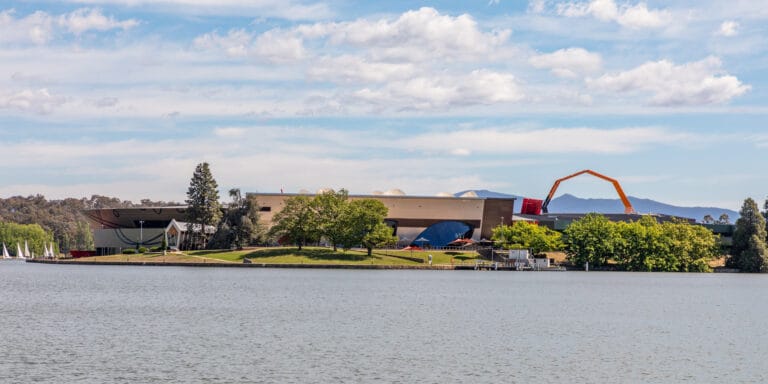
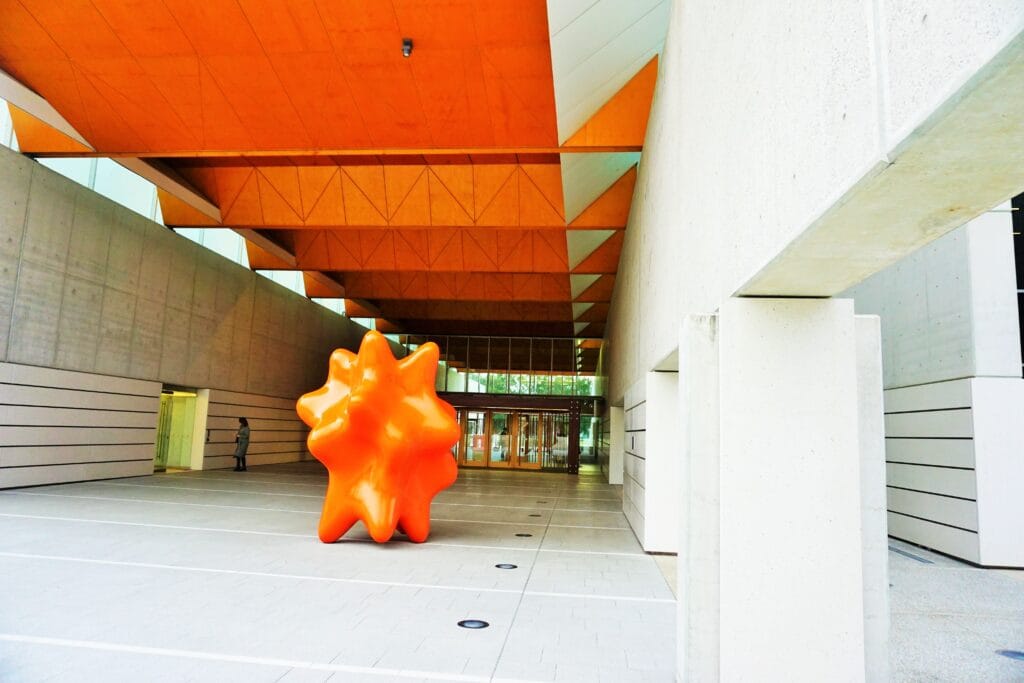
The National Portrait Gallery Canberra is housed in a striking modernist building located in the parliamentary precinct, surrounded by iconic national landmarks. Arriving at the Gallery, visitors are first greeted by a sleek façade featuring clean lines and geometric forms, which reflect a contemporary approach to museum design. The exterior melds glass and metal, contributing to a bright and inviting atmosphere. This architectural style conveys transparency and openness, inviting visitors into a space dedicated to dialogue and reflection on identity. The entrance area is spacious and well-lit, with a welcoming reception area where staff provide assistance and information. The immediate environment outside the Gallery is serene, with landscaped gardens and views of Canberra’s governmental precinct serving as a visual reminder of the institution’s connection to national heritage and governance. Whether approached by foot or public transport, the Gallery’s location is central and accessible, clearly signposted within the civic precinct.
Highlights and Key Exhibitions
Within the National Portrait Gallery Canberra, the core focus is on portraiture that captures the breadth of Australian experience. The permanent collection includes significant works portraying prominent figures such as former Prime Ministers, Indigenous leaders, artists, scientists, and athletes. Noteworthy highlights include thoughtfully curated representations of Aboriginal and Torres Strait Islander peoples, which engage with themes of cultural history, resilience, and contemporary identity. These portraits provide vital perspectives on Australia’s First Nations, reflecting both historical contexts and present-day narratives. The Gallery also showcases portraits of sports icons and cultural innovators, celebrating contributions to national life across multiple fields.
The exhibition spaces are designed to facilitate a narrative flow, allowing visitors to move through Australian history in a chronological or thematic manner. The Gallery’s commitment to diverse media is apparent, with traditional paintings sitting alongside photography, sculpture, digital art, and mixed media works, exemplifying the evolving nature of portraiture. One of the most compelling aspects is the inclusion of commissioned contemporary portraits that respond to current social issues, inviting visitors to consider how identity and representation continue to develop in real time.
The Gallery regularly updates its displays to maintain engagement and relevance, although it prioritizes its permanent collection and ongoing thematic exhibitions over temporary blockbuster shows. This approach offers depth and continuity rather than spectacle. Visitors can expect richly contextualized works that prompt reflection on the intersection of personal and public histories, enhancing awareness of Australia’s pluralistic society.
Visitor Experience
The National Portrait Gallery Canberra provides a thoughtfully curated visitor experience that balances educational value with aesthetic enjoyment. The layout is intuitive, with clear signage and well-spaced galleries facilitating easy navigation. Informative labels accompany each artwork, offering biographical details and insights into the artist’s intentions, contributing to a deeper understanding of the subject portrayed. Audio guides and interactive digital displays are available and serve as valuable educational tools, particularly for those seeking an immersive experience.
The Gallery places considerable emphasis on accessibility, providing accommodations for visitors with disabilities and ensuring the environment is comfortable for diverse audiences. Seating areas are strategically placed throughout the exhibition spaces for rest and contemplation. The lighting design is carefully managed to highlight artworks while protecting sensitive materials, contributing to a calm and contemplative atmosphere.
In addition to the visual art, the Gallery often offers public programs such as talks, workshops, and guided tours, which enrich the visitor experience. These programs engage different age groups and interests, emphasizing the Gallery’s role as an educational resource. For families, there are child-friendly activities encouraging interaction with portraiture and storytelling.
Tickets, Access, and Planning
Entry to the National Portrait Gallery Canberra is generally free, making it accessible for both locals and tourists. This policy reflects the institution’s public cultural mission and encourages widespread engagement with the nation’s portraiture heritage. The Gallery’s website provides up-to-date information on opening hours, special events, and any temporary changes to access or exhibitions.
Located close to the city center and well-served by public transportation, the Gallery is easily reached from various parts of Canberra. Parking is available nearby, though limited, encouraging visitors to consider sustainable travel options. The building is fully compliant with accessibility standards, including ramps, elevators, and accessible restrooms, ensuring a welcoming experience for all visitors regardless of mobility.
When planning a visit, it is advisable to allocate at least one to two hours to explore the collection in detail, although art enthusiasts may prefer longer visits given the richness of the exhibitions. The National Portrait Gallery also features a café and a gift shop offering art-related merchandise and publications, providing convenient amenities without overwhelming the cultural experience.
Final Verdict
The National Portrait Gallery Canberra stands as a compelling institution that effectively uses portraiture to explore and celebrate Australia’s multifaceted identity. Its blend of historical and contemporary works offers visitors a nuanced perspective on the individuals who have shaped—and continue to shape—the nation. The Gallery’s carefully curated collection and thoughtful presentation encourage reflection on cultural diversity, historical legacy, and artistic innovation, providing a meaningful encounter with Australia’s social fabric.
While the absence of large-scale temporary exhibitions may disappoint those seeking blockbuster shows, the Gallery compensates with depth, focus, and quality, making it a must-visit for those interested in portraiture and Australian history. The accessible location, free entry, and supportive visitor services further enhance its appeal to a broad audience, from casual tourists to dedicated scholars.
In sum, the National Portrait Gallery Canberra is a significant cultural destination that invites visitors to engage with the human stories behind Australia’s public life. It fulfills its mission not only as a gallery of portraits but as a vibrant forum for understanding identity and community in an ever-evolving national context.