National Museum of Australia Review
Indigenous Culture Museums · Canberra, Australia. The National Museum of Australia, located in Canberra, stands as a pivotal institution dedicated to capturing and presenting the rich and diverse fabric of Australian history, culture, and identity. Established with the mission t…
Indigenous Culture Museums · Canberra, Australia. The National Museum of Australia, located in Canberra, stands as a pivotal institution dedicated to capturing and presenting the rich and diverse fabric of Australian history, culture, and identity. Established with the mission t…
Best forMasterpieces, architecture, cultural history
Review focusCollection highlights, building, visitor flow
Historical Context
The National Museum of Australia, located in Canberra, stands as a pivotal institution dedicated to capturing and presenting the rich and diverse fabric of Australian history, culture, and identity. Established with the mission to tell the story of the nation in its entirety, the museum emphasizes the interwoven narratives of Indigenous Australians, multicultural communities, and evolving national themes. It is situated in Canberra, the country’s capital, a city uniquely designed as a symbolic and administrative heart of Australia. The museum’s role transcends mere preservation; it actively engages with contemporary issues and diverse perspectives, striving to foster a deeper understanding of the socio-political and cultural developments that have shaped the continent. Through its collections and exhibitions, the institution offers insights into Indigenous heritage, colonization impacts, and Australia’s place within the broader Asia-Pacific region and the world. The building itself is a distinctive architectural landmark, symbolizing the openness and complexity of Australian history.
What You See on Arrival
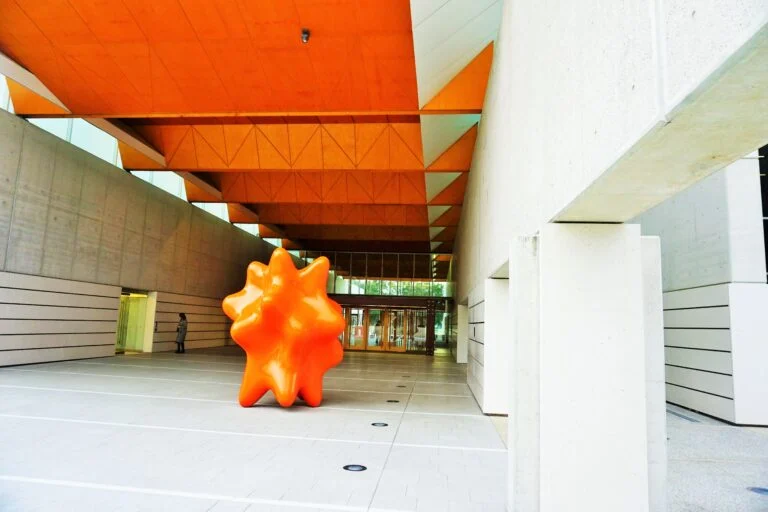
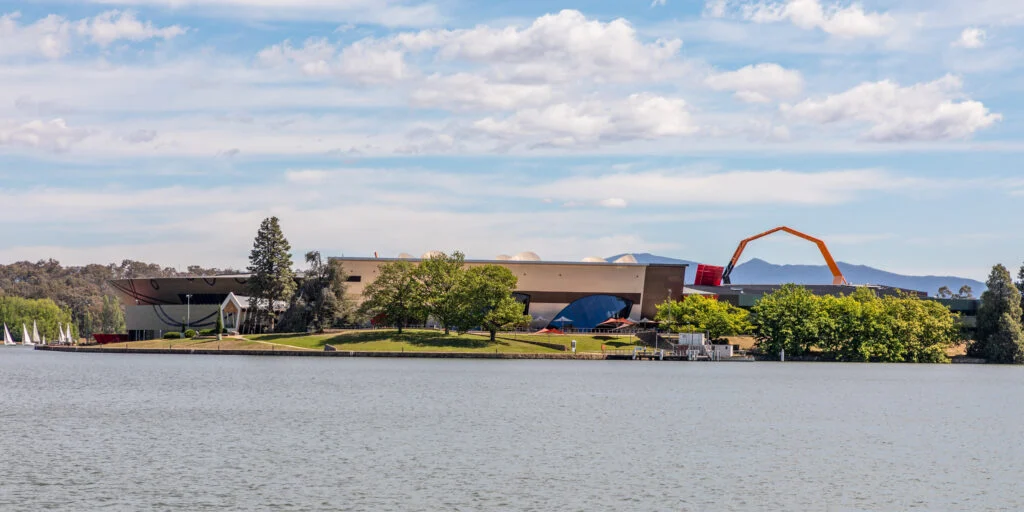
The immediate impression upon approaching the National Museum of Australia is shaped by its extraordinary architecture and expansive setting beside Lake Burley Griffin. The building’s form is unconventional, featuring angular roofs and striking geometric shapes that evoke the feeling of a fragmented landscape, aligning with the narrative focus on Australia’s layered stories. Visitors are greeted by large open plazas and sculptural installations that set a tone of contemplation and curiosity. The main entrance opens into a spacious, light-filled gallery, where natural light filters through skylights and large windows, visually connecting the interior with the surrounding environment. The design integrates outdoor and indoor spaces, with terraces and gardens that reflect native Australian flora. Signage and wayfinding maintain a clean, modern aesthetic without overwhelming the visitor, directing attention instead to the thematic exhibitions.
Highlights and Key Exhibitions
The National Museum of Australia excels in presenting a wide range of thought-provoking exhibitions that blend historical artifacts, multimedia presentations, and interactive elements. Among its permanent galleries, the First Australians section is particularly compelling. It explores the deep and enduring cultures of Indigenous communities, drawing on extensive collections of art, tools, and oral histories. This exhibition offers a powerful perspective, showcasing Indigenous connection to land, spirituality, and resilience in the face of colonization.
Another significant gallery focuses on the nation’s social history, encompassing immigration, social movements, and the evolution of democracy in Australia. This section succeeds in presenting complex themes — such as multiculturalism and national identity — with nuance and balance. The museum also includes exhibitions devoted to environmental change, innovation, and community stories, ensuring a broad representation of Australian experience.
The curatorial approach is well-regarded for refusing simple narratives, challenging visitors to engage critically with the material. Alongside permanent displays, the museum’s programmed exhibitions, while not specified here, have historically complemented these themes by exploring contemporary issues or celebrating artistic achievements.
Visitor Experience
The museum offers a visitor experience marked by thoughtful accessibility and educational programming. The layout encourages exploration, with thematic zones that make it possible to delve deeply into particular aspects of Australian life or to browse more casually. Interactive displays create immersive moments, where visitors can engage directly with elements of the exhibitions. Audio guides and digital resources are available, providing additional layers of interpretation without detracting from the visual experience.
For families, the institution provides spaces and activities designed to engage younger audiences, ensuring an inclusive environment for a wide demographic range. Staff are generally noted for their helpfulness, enhancing the overall atmosphere of welcome. The museum café and gift shop complement the visit, offering Australian-themed products and refreshments in well-designed spaces that maintain the museum’s contemplative ambiance.
Tickets, Access, and Planning
Attending the National Museum of Australia requires some planning, though it is straightforward to access via public and private transport within Canberra. The building’s location beside Lake Burley Griffin offers pleasant walking routes and integration with other cultural institutions in the capital. Accessibility provisions are comprehensive, including wheelchair access, seating throughout galleries, and services aimed at accommodating a variety of needs.
Entry fees vary depending on the nature of the exhibitions; permanent collection access is often free, supporting the museum’s educational outreach goals. Temporary exhibitions and special events may require a ticket purchase, information about which is clearly provided on the official website. Opening hours are conducive to both daytime visits and special evening activities during certain periods.
Additional practical considerations, such as parking availability, locker facilities, and photography guidelines, are well-communicated to ensure a stress-free visit. Given Canberra’s status as a planned capital with multiple attractions concentrated nearby, visitors can easily incorporate the museum into broader cultural tours.
Final Verdict
The National Museum of Australia offers a richly layered and intellectually compelling exploration of the nation’s identity, history, and cultural diversity. Its architectural distinctiveness is matched by a commitment to presenting challenging, inclusive, and well-researched exhibitions that provide an honest reflection of Australia’s past and present. The institution successfully balances the needs of serious historians and casual visitors through its well-considered design, interactive elements, and educational resources.
While the museum excels in covering a broad spectrum of themes, there may be moments where the complexity of narratives demands attentive engagement, potentially limiting casual or rushed visits. Nonetheless, such depth ensures long-term value for repeat experiences. The emphasis on Indigenous perspectives and contemporary issues enriches public understanding and highlights the museum’s role as a dynamic site for dialogue and reflection.
In sum, the National Museum of Australia stands as an essential visit for anyone wishing to grasp the multifaceted story of Australia. Its compelling exhibitions, thoughtful presentation, and welcoming visitor services position it as a leading cultural institution in Canberra and across the country. Prospective visitors are encouraged to allocate several hours to fully appreciate the breadth and nuance on offer, ensuring the museum’s narratives resonate well beyond the gallery walls.
Official website: https://www.nma.gov.au