Whangarei Museum and Heritage Park Review
History Museums · Whangarei, New Zealand. The Whangarei Museum and Heritage Park, located in the vibrant city of Whangarei, New Zealand, occupies a significant place in the preservation and celebration of regional history. This museum serves as a focal point…
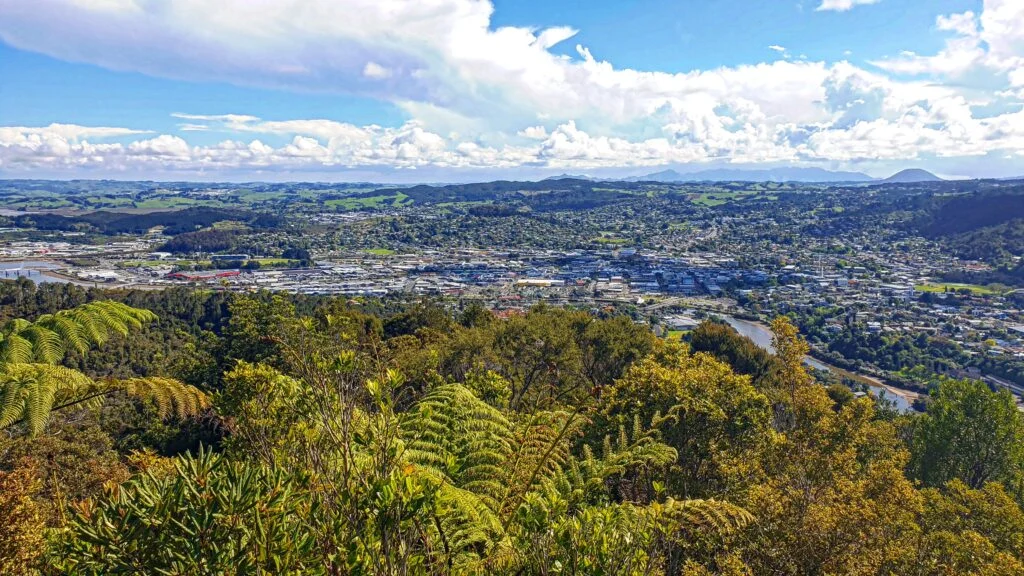
History Museums · Whangarei, New Zealand. The Whangarei Museum and Heritage Park, located in the vibrant city of Whangarei, New Zealand, occupies a significant place in the preservation and celebration of regional history. This museum serves as a focal point…
Best forCollections, cultural history, visitor experience
Review focusHistorical collections, local context, and visitor planning
Historical Context
The Whangarei Museum and Heritage Park, located in the vibrant city of Whangarei, New Zealand, occupies a significant place in the preservation and celebration of regional history. This museum serves as a focal point for the cultural heritage of Northland, offering insights into both Māori and European settler histories. The institution originated as a response to community efforts to safeguard local artifacts, structures, and stories that could otherwise have been lost to time. It is situated on a site that itself holds historical significance, blending natural surroundings with built heritage to provide a contextual backdrop for its collections. Established with a mission that emphasizes education and cultural engagement, the museum plays an active role in fostering a sense of identity and continuity in a rapidly evolving region. Its focus extends beyond mere artifact display, incorporating an interpretive narrative that highlights themes such as early settlement, indigenous traditions, and the development of Whangarei as a township.
What You See on Arrival
Upon arriving at the Whangarei Museum and Heritage Park, visitors are greeted by an inviting, well-maintained entrance that sets a welcoming tone for the experience to come. The site’s layout is immediately apparent as a blend of indoor and outdoor spaces, harmonizing built heritage with natural surroundings. The entrance leads directly to the main museum building, a structure that balances contemporary design elements with historical architectural influences, reflecting the museum’s bridging of past and present. Surrounding the main building, the heritage park unfolds expansively, featuring a collection of authentic and reconstructed structures that represent period homes, community halls, and outbuildings, which collectively illustrate Northland’s settlement history. The park’s green spaces and pathways invite leisurely exploration, offering a scenic and immersive environment. Signage at the entrance and throughout the site provides clear orientation, guiding visitors toward specific areas of interest such as the exhibition galleries, the outdoor historic village, and educational spaces.
Highlights and Key Exhibitions
The collection at Whangarei Museum and Heritage Park is particularly distinguished by its dual focus on both Māori and European heritage, providing a comprehensive narrative of the region’s past. A noteworthy highlight is the assemblage of Māori artifacts, stories, and cultural interpretations that link the museum’s exhibitions to indigenous heritage, land, and community life. Intricately carved taonga (treasures), traditional tools, and detailed interpretations of Māori customs and social structures are presented with respect and educational rigor. Complementing this are exhibitions focused on colonial and settler life, showcasing domestic items, historical photographs, and agricultural implements that reflect the spirited development of Whangarei throughout the 19th and early 20th centuries. The heritage park itself serves as a living exhibition, where visitors can view relocated and preserved buildings that chronicle the evolution of local architecture—from simple timber cottages to more elaborate public buildings. Interpretive panels and guided information enhance understanding of the daily lives, challenges, and achievements of past inhabitants. Special attention is given to industries such as forestry and farming, which played pivotal roles in shaping the local economy and culture.
Visitor Experience
The visitor experience at Whangarei Museum and Heritage Park is designed to be both educational and engaging, with a deliberate balance between self-guided exploration and interpretive assistance. The museum’s layout promotes intuitive navigation, and its informative displays use a combination of textual descriptions, photographs, and physical artifacts to illuminate the stories behind the objects. The heritage park complements the indoor exhibitions through its immersive environment, offering visitors the unique opportunity to physically walk through historical contexts that are often only seen in photographs or described in texts. While there is ample signage, guided tours and occasional storytelling sessions deepen the encounter with the past for those seeking a more structured visit. Facilities such as seating areas and sheltered spaces within the park provide comfort during the visit. Throughout, attention is paid to accessibility and inclusivity, ensuring that interpretive materials cater to various audience demographics, including families, students, and cultural tourists. The museum’s quiet and contemplative atmosphere is ideal for those with a genuine interest in history, while the outdoor setting offers a refreshing complement to traditional museum environments.
Tickets, Access, and Planning
Access to the Whangarei Museum and Heritage Park is generally straightforward for both local and international visitors. The site is reachable by car with available parking nearby, and public transportation options serve the central Whangarei area, facilitating convenient travel plans. Entrance fees are modest, reflecting the museum’s community-centered ethos, and concessions are typically offered for children, seniors, and groups. The museum’s official website provides essential visitor information, including opening hours, directions, and details on any seasonal changes to operations or special programs. While the museum does not usually require advance ticket bookings, during periods of high demand or special events, it is advisable to check latest visitor guidelines in advance. The museum’s staff is accessible and responsive, offering assistance both in-person and remotely to aid in trip planning. For those combining a visit with wider exploration of Northland, the museum’s website also provides links to other regional heritage sites and local attractions, positioning it as a valuable starting point for cultural tourism in the area.
Final Verdict
Whangarei Museum and Heritage Park stands as a compelling institution for anyone interested in the layered histories of New Zealand’s Northland region. Skillfully combining indoor collections with an outdoor heritage park, it offers a multifaceted journey through time, acknowledging the crucial contributions of both Māori and European communities. Its commitment to education and preservation is evident in the thoughtful curation and maintenance of exhibits and buildings alike. Although the museum’s scale is modest compared to larger metropolitan institutions, its depth of local focus and immersive setting more than compensate, delivering a meaningful experience that resonates with a sense of place and identity. The visitor experience is thoughtfully designed, with adequate facilities and clear interpretive materials, making it accessible to a broad spectrum of audiences. For travelers seeking to enrich their understanding of New Zealand’s cultural tapestry, the Whangarei Museum and Heritage Park provides a vibrant window into the past, grounded firmly in the landscapes and peoples of the present.