Volkswagen AutoMuseum Review
Automobile Museums · Wolfsburg, Germany. The Volkswagen AutoMuseum in Wolfsburg, Germany, is a dedicated institution that traces the history and cultural significance of one of the world’s most recognizable automobile manufacturers. Volkswagen, conceived in the 1930s with the in…
Automobile Museums · Wolfsburg, Germany. The Volkswagen AutoMuseum in Wolfsburg, Germany, is a dedicated institution that traces the history and cultural significance of one of the world’s most recognizable automobile manufacturers. Volkswagen, conceived in the 1930s with the in…
Best forMuseum lovers, culture travelers, first-time visitors
Review focusCollections, visitor experience, and practical planning
Historical Context
The Volkswagen AutoMuseum in Wolfsburg, Germany, is a dedicated institution that traces the history and cultural significance of one of the world’s most recognizable automobile manufacturers. Volkswagen, conceived in the 1930s with the intent to produce an affordable “people’s car,” grew to international prominence with models like the Beetle and the Golf. Wolfsburg itself is a city tightly intertwined with the brand, originally founded in the late 1930s around the giant Volkswagen factory complex. This proximity makes the museum a significant site for those wanting insight into the company’s industrial and social past alongside its automotive legacy.
The museum was established to preserve and present more than 70 years of Volkswagen history through its vehicles, which reflect various phases of German economic recovery, technological innovation, and design trends. It situates Volkswagen’s evolution within broader political and social frameworks, such as post-war reconstruction and globalization. Rather than focusing solely on technical achievement, the museum attempts to show how Volkswagen cars have influenced and been influenced by shifting consumer preferences and cultural attitudes. This historical positioning underlines Wolfsburg’s unique role as both a corporate and community center for the brand.
What You See on Arrival
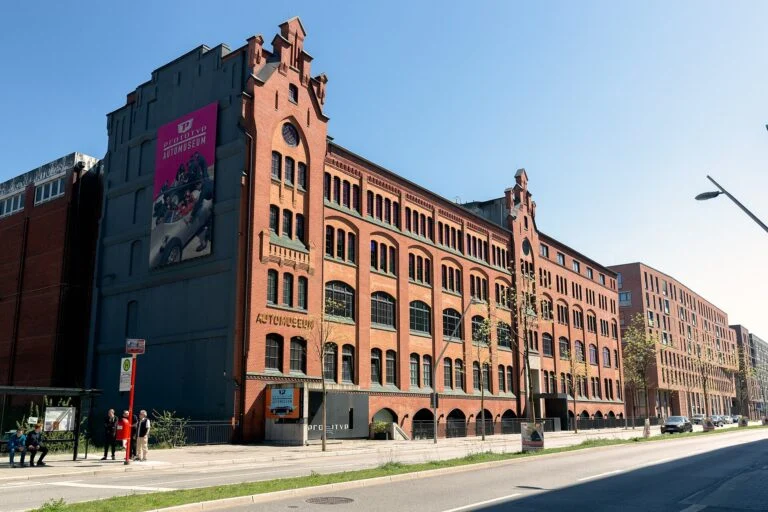
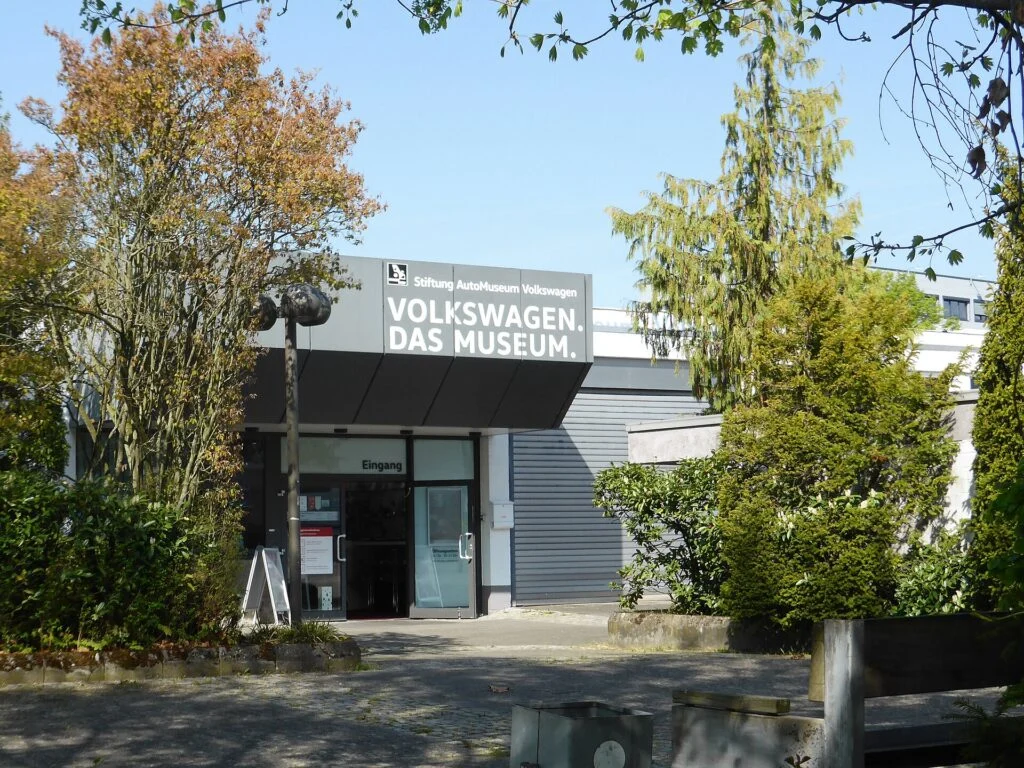
Upon arrival at the Volkswagen AutoMuseum, visitors encounter a setting that communicates the museum’s focus clearly and functionally. While the architectural design itself is modern and unassuming, it avoids elaborate spectacle in favor of framing the cars as the primary subject. The entrance area serves as an orientation point, introducing Volkswagen’s origin story through an array of visual materials and context-setting displays. This initial presentation underscores that the museum sees itself as more than a car showroom; it is a site for storytelling and reflection on mobility’s role in 20th and 21st-century life.
Immediately noticeable are the orderly rows of vehicles and engines, often arranged chronologically or thematically. The museum’s identity revolves around a carefully curated automobile collection that conveys both technological progress and the shifting tastes over time. Visitors can expect a calm and structured environment rather than high-energy interactivity, which suggests a focus on detail and close observation. The minimal architectural ornamentation, coupled with straightforward labeling and explanatory text, emphasizes accessibility for a broad audience interested in history or engineering rather than only automotive enthusiasts.
Highlights and Key Exhibitions
Central to the AutoMuseum’s appeal is its collection of historic and significant Volkswagen vehicles, which span the company’s history from its earliest prototypes to late 20th-century models. The museum includes several editions of the Beetle—arguably Volkswagen’s most famous offering—demonstrating its design evolution, manufacturing changes, and cultural milestones. These iconic cars are supplemented by rare and limited editions that display attempts at innovation and diversification within the Volkswagen portfolio.
Among the standout exhibits are original prototypes and experimental cars that never reached mass production but reveal the iterative nature of automotive development. For example, the museum features early Type 1 models alongside commercial vehicles, racing cars, and concept designs. These provide insight into the breadth of Volkswagen’s engineering ambitions and market reach, from family transportation to sporting performance.
The technical exhibition sections offer visitors the chance to explore Volkswagen’s engineering breakthroughs. Displayed components include engines and chassis, some presented with transparent glass coverings or cutaway views to highlight mechanical workings. These exhibits underline the brand’s commitment to incremental improvements in fuel efficiency, safety, and driving dynamics, as well as the interaction of design aesthetics and practical constraints.
Interpretive material extends beyond the vehicles themselves, including photographic archives and documentary panels that detail Volkswagen’s relationship to its workforce, the city of Wolfsburg, and broader societal shifts. However, this aspect remains supplementary rather than the museum’s core narrative, which largely remains vehicle-focused.
Visitor Experience
The Volkswagen AutoMuseum serves diverse visitor interests, from automotive enthusiasts and design students to families and general history buffs. The pacing encouraged by the museum is unhurried; displays are spaced to allow detailed inspection, comfortably accommodating groups with children without feeling overcrowded.
Interpretation employs a mix of text panels, photographs, and some audiovisual elements. The information is generally clear and approachable, balancing technical detail with broader historical context. Nonetheless, the museum does not heavily rely on interactive displays or multimedia installations common in newer automotive museums, which might leave visitors seeking high-tech engagement wanting more.
The museum’s style favors straightforward presentation, which can be an advantage for those who prefer self-directed exploration but might not fully engage younger or less knowledgeable audiences without supplementary guides. Textual explanations offer enough depth to appreciate Volkswagen’s engineering and design milestones, although some sections assume a moderate level of prior familiarity with automotive terminology.
The layout supports a mostly linear route through time, but some thematic breaks help visitors connect design shifts with social and economic changes outside the automobile industry. Some may find that the museum’s focus remains narrow, concentrating on Volkswagen above all else. Visitors interested in broader automotive history or global comparisons will need to supplement this experience elsewhere.
Tickets, Access, and Planning
Details about admission fees, opening hours, or tour services are best checked on the museum’s official website to ensure up-to-date information, as these can vary seasonally or due to special events. The AutoMuseum is located in Wolfsburg, a city well connected by public transportation and accessible from major German cities. Visitors should prepare for some walking between the museum and public transport stops or parking areas.
While certain practical amenities such as cafés or shops may be on-site, the primary focus remains the vehicle collection, with only modest supplementary facilities. Accessibility features, language support, and availability of guided tours or audio guides are factors potential visitors should verify beforehand, particularly non-German speakers or those with mobility requirements.
Planning a visit during less busy times of the week or year might afford a quieter, more contemplative environment, as popular days can attract larger groups connected to the city’s automotive industry. The museum’s moderate size makes it possible to combine with other local attractions related to Volkswagen or the broader region’s industrial heritage.
Final Verdict
The Volkswagen AutoMuseum in Wolfsburg is a specialized institution focused strongly on the history and products of one of Germany’s most significant automakers. Its collection offers a thorough chronological span and includes key models that shaped both Volkswagen’s legacy and the wider automotive landscape. This focus provides a deep dive into one brand’s narrative rather than attempting a broader survey of car history.
The museum’s strengths lie in showcasing authentic vehicles alongside clear technical and historical interpretation. Visitors with a genuine interest in automotive design, engineering, and industrial history will find plenty of material to absorb. The straightforward presentation and organized layout help maintain clarity but limit opportunities for those expecting interactive or cutting-edge museum technology.
Where the AutoMuseum may not fully satisfy every visitor is in its relatively narrow thematic reach and modest production style. The social and cultural history aspects, while present, are subsidiary to the vehicles themselves. Those seeking a more comprehensive or comparative automotive museum experience may find it necessary to visit complementary institutions.
Overall, the Volkswagen AutoMuseum serves its particular purpose well: it is a focused repository for Volkswagen’s historical and engineering achievements, presented in Wolfsburg where the brand’s story is inseparable from the city itself. Prospective visitors should approach the museum with clear expectations about its scope, and consult official sources for planning details to make the most of their visit.