Museo de Arte de Puerto Rico Review
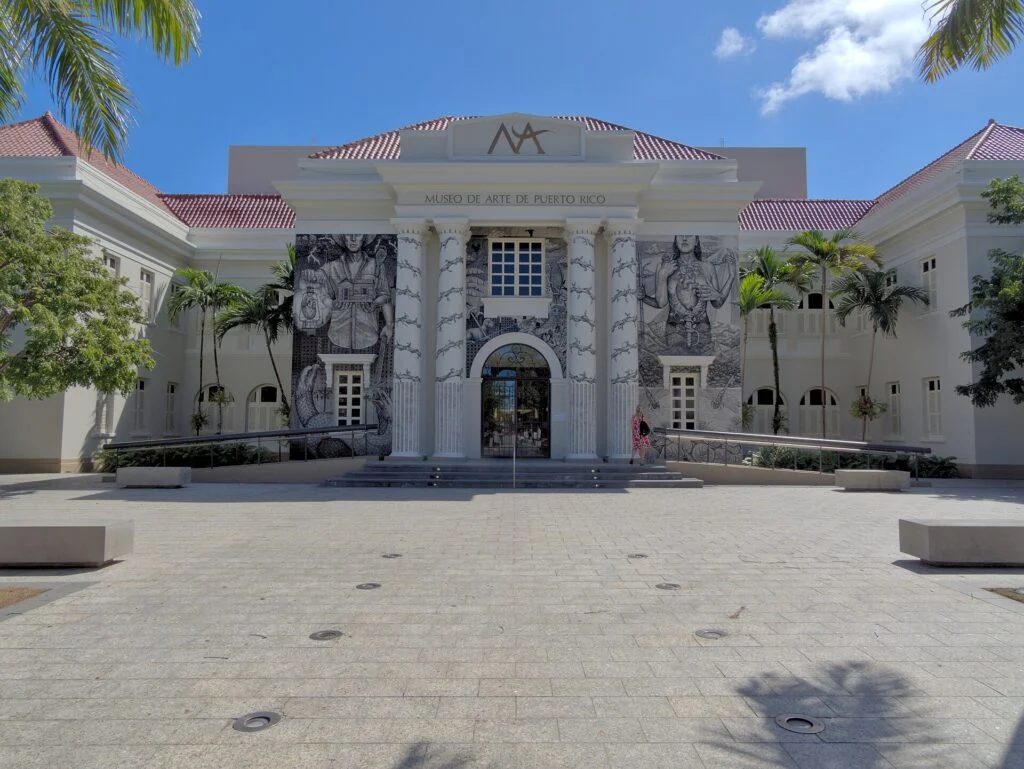
Art Museums · San Juan, Puerto Rico. The Museo de Arte de Puerto Rico (MAPR) in San Juan emerges as a focused cultural institution devoted to the art and artistic identity of Puerto Rico. Rather than attempting to serve as a…
Art Museums · San Juan, Puerto Rico. The Museo de Arte de Puerto Rico (MAPR) in San Juan emerges as a focused cultural institution devoted to the art and artistic identity of Puerto Rico. Rather than attempting to serve as a…
Best forArt lovers, visual culture, architecture
Review focusCollections, curatorial focus, and visitor planning
Context and Identity
The Museo de Arte de Puerto Rico (MAPR) in San Juan emerges as a focused cultural institution devoted to the art and artistic identity of Puerto Rico. Rather than attempting to serve as a broad international museum or a general Caribbean art venue, MAPR concentrates on the island’s creative production from the 17th century to the present day. This emphasis anchors the museum in the local cultural narrative and provides a platform for the expression of Puerto Rican stories and aesthetics. The museum’s location in Santurce, a district known for its evolving urban culture and arts activity, further situates it as a hub where historic artistic legacies meet contemporary creativity.
This framing answers the question of what the Museo de Arte de Puerto Rico contributes that distinguishes it from other institutions. It does not attempt to cover the entire Spanish Caribbean or Latin American sphere. Instead, it narrows its lens sharply to Puerto Rican artists and themes, underlining a complex island identity shaped by colonial history, cultural fusion, and ongoing political questions. This tight geographic and cultural scope yields both a depth and a cohesive story, even if it limits the museum’s appeal to those interested in wider regional dialogues.
The museum was inaugurated in 2000 after a redevelopment of an old tobacco warehouse, and this history as a reclaimed industrial space reflects a kind of cultural reclamation — taking something functional and anonymous and shaping it into a place for reflection on Puerto Rican heritage. The commitment to Puerto Rican art also includes both historical pieces and contemporary work, highlighting the dynamism of the local scene rather than simply presenting the island as a fixed chapter in art history.
Inside the Collection
The collection at MAPR covers roughly four centuries of art related to Puerto Rico, an ambitious chronological stretch. It is an important resource for tracing the development of artistic expression through different phases of the island’s history, including colonialism, independence movements, and modern cultural shifts. A significant portion of the collection is devoted to painting, reflecting traditional forms of fine art. Early works centered on religious and historical subjects, many created by artists trained abroad but working in Puerto Rico. These pieces provide insight into the island’s evolving identity as it navigated Spanish colonial rule and later American influence.
Over time, the collection grows more diverse in style and medium, incorporating modern and contemporary art including sculpture, installation, photography, and mixed media. This variety underscores the museum’s acknowledgment of evolving artistic practices, resisting a static or museum-typical conservative narrative. Notable among the holdings are works by prominent Puerto Rican artists such as Francisco Oller, whose landscapes and portraits remain crucial to understanding local art history. The museum’s focus on local artists also opens space for less internationally known figures, which makes the collection a significant repository for scholarship and understanding of Puerto Rican artistic trajectories.
While the museum houses important historical material, its contemporary collection arguably represents its most significant strength. Recent acquisitions reflect the complex social and political realities of Puerto Rico, addressing issues of identity, migration, and cultural hybridity with more experimental forms. This ensures the museum is not only a site of preservation but also a forum for current artistic conversations.
There is, however, a discernible imbalance stemming from the breadth of the collection. Covering centuries in a single institution can dilute the depth devoted to any one period or movement. The museum’s choice to span such a wide timeframe inevitably means fewer devoted resources and gallery space per era. This could constrain how deeply visitors engage with specific periods, especially given Puerto Rico’s rich and contested history.
Architecture and Display
The museum is housed in a renovated tobacco warehouse from 1926, a choice that carries symbolic and practical implications. The industrial origin of the building is evident in its high ceilings, robust iron framework, and spacious interiors, which lend themselves to flexible exhibition layouts. The raw, utilitarian character of the structure creates a striking contrast with the artwork, allowing the art to command attention without competing against overly ornate or decorative surroundings.
The renovation brought modern gallery specifications while preserving much of the original architecture, grounding the museum in Puerto Rico’s industrial history. The design approach is functional with a careful balance: neither starkly modern nor heavily historical. It provides neutral settings that accommodate diverse media and allow artists’ work to stand on its own merit. The museum’s layout is generally intuitive as a multi-floor space, which facilitates chronological or thematic flows in exhibitions.
Some critiques raised about the building reference lighting conditions and humidity control, though the museum appears committed to maintaining conservation standards. Natural light is occasionally used in galleries but kept regulated to protect sensitive works. The spacious quality avoids crowding, although the expansive scale can sometimes dampen intimacy, particularly for smaller or more delicate pieces.
Display-wise, the presentation navigates a traditional fine art museum style, where works are mostly wall-mounted or placed with room for contemplation rather than as densely packed salon-style arrangements. Labels tend to be factual and unobtrusive but with enough information to contextualize works without overwhelming visitors. The museum utilizes periodic temporary exhibitions to experiment with more narrative or interdisciplinary interpretations alongside the core collection, though the permanent displays remain relatively consistent.
For Families, Specialists, and First-Time Visitors
MAPR occupies a position where its audience ranges from local families and school groups to art specialists and tourists acquainted with Puerto Rican culture. For families, the museum’s educational mission is clear. While there is no detailed information here about specific family programs or interactive offerings, the museum’s role in promoting local art naturally supports educational visits. Programs tend to involve guided tours and workshops during some periods, tailored to younger audiences, although these vary and need confirmation via the official site. The layout’s straightforward gallery design aids navigation for groups with children.
Specialists and scholars interested in Puerto Rican art and Caribbean cultural studies find MAPR a valuable resource. The museum’s collections and archives encompass rare historical works alongside contemporary performance and visual art documentation, supporting research that focuses on island-based narratives rather than dispersed diasporic or continental themes. The acquisitions reflect an ongoing commitment to expanding this scholarship with new additions and collaborations with artists and institutions.
For first-time visitors unfamiliar with Puerto Rican art, the museum provides a relatively clear introduction to key periods, artists, and styles, though some basic cultural or historical background might require additional reading. The depth of contextual information can vary by exhibit; it remains advisable for newcomers to approach the museum with some curiosity about the island's colonial and post-colonial history to fully grasp the artistic themes.
What Works Best
The museum excels in presenting Puerto Rican art not as a sidebar to broader colonial or Latin American narratives but as a curated continuum with its own evolving logic. This sharp focus means visitors encounter a mostly coherent story about identity formation, adaptation, and resistance expressed through visual culture. The chronological breadth, while taxing in terms of breadth-versus-depth, allows those with a serious interest to track the shifts in representation and technique as Puerto Rico’s circumstances changed dramatically from the 1600s onward.
The building’s industrial character and spaciousness provide the kind of environment well suited to large-scale contemporary works and installations, and the museum’s ongoing acquisition of cutting-edge media shows a confident engagement with the present-day scene. The inclusion of newer art alongside classical painting strengthens the collection’s relevance and challenges older notions of museum-worthiness.
MAPR also works well as a local cultural anchor. By centering Puerto Rico, it carves out intellectual and artistic space uniquely for its community and offers a foundation for regional pride and cultural continuity, serving functions beyond the purely aesthetic or touristic.
Practical Considerations
Information on practical matters like hours, admission prices, tours, and accessibility is best obtained directly from the museum’s official website, as these details can change. Visitors planning to come specifically for educational or guided content should verify the availability of programming in advance. Given its location in a lively arts district of San Juan, public transit access and urban parking options are typical considerations. The museum’s size suggests a visit could comfortably range from one to two hours, depending on interest level.
There is no solid public information here about amenities such as cafés or shops, so assumptions about these services should be avoided without confirmation.
Verdict
The Museo de Arte de Puerto Rico is a focused institution that makes clear its purpose: to chart the course of Puerto Rican art with historical depth and contemporary breadth. Its dedication to local artists across centuries provides a strong narrative framework for understanding the island’s cultural identity through visual art. The reuse of an industrial warehouse lends an appropriate sense of rootedness and transformation.
While the collection’s chronological ambition risks sacrificing detailed immersion in specific periods, the museum’s emphasis on both heritage and contemporary work offers a distinct viewpoint not often found elsewhere. It stands out as a central repository and champion of Puerto Rican creative expression rather than as a broad Caribbean or Latin American art museum.
The museum’s strengths lie in its clarity of purpose and breadth of historical coverage, balanced with an openness to new artistic forms. Those seeking a thorough exploration of Puerto Rico’s artistic history and present-day creativity will find the Museo de Arte de Puerto Rico delivers on its goal with sincerity and seriousness.