Museum of Socialist Art Review
Art Museums · Sofia, Bulgaria. The Museum of Socialist Art in Sofia offers a distinct examination of Bulgaria’s recent past by focusing on art produced during the socialist period, roughly from the mid-20th century until the fall of the…
Art Museums · Sofia, Bulgaria. The Museum of Socialist Art in Sofia offers a distinct examination of Bulgaria’s recent past by focusing on art produced during the socialist period, roughly from the mid-20th century until the fall of the…
Best forArt lovers, visual culture, architecture
Review focusCollections, curatorial focus, and visitor planning
Why This Museum Matters
The Museum of Socialist Art in Sofia offers a distinct examination of Bulgaria’s recent past by focusing on art produced during the socialist period, roughly from the mid-20th century until the fall of the regime in 1989. Unlike museums centered on traditional fine art or contemporary experiments, this institution concentrates on a politically and ideologically charged body of works—sculpture, painting, and propaganda—that shaped public life for decades in Bulgaria and broader Eastern Europe.
Its significance lies not only in preserving artefacts from a complex era but also in presenting them as historical documents rather than mere aesthetic objects. Given the scarcity of dedicated museums dealing explicitly with socialist realism and the visual culture of Eastern Bloc propaganda, this museum fills a specialized niche. It provides insight into how art was used as a tool for state messaging and how artists negotiated the limits and demands of the system they operated under.
For visitors interested in the history of art under authoritarian rule or the visual culture of the Cold War, the collection offers a compelling visual overview. It functions as a resource for understanding Bulgaria’s socialist heritage, revealing how ideological narratives were embedded in everyday public spaces through monumental art. This museum contributes to the broader conversation about memory, political regimes, and the role of art in shaping collective identities.
The Collection in Focus
At the heart of the museum is an extensive collection of sculptures, paintings, and posters that embody the stylistic and thematic trademarks of socialist realism. The large-scale statues often depict heroic workers, soldiers, and peasants in vigorous, idealized forms. Many were originally displayed in public squares or government buildings around Bulgaria, and their relocation inside the museum allows for close study of details and craftsmanship rarely possible in their outdoor settings.
Besides the public monuments, the museum houses portraiture and genre scenes accentuating themes like industrial progress, international solidarity, and the cult of party leadership. Paintings and graphic works employ naturalistic techniques aligned with official artistic doctrine, aiming to inspire loyalty and optimism within the populace.
Noteworthy are the collections of political posters and banners, which demonstrate the graphic style used to communicate party slogans and mobilize mass support. These ephemeral works reveal how socialist art extended into everyday communication networks, blending artistic conventions with political exigencies.
Additionally, some exhibits document the transition after 1989, showing how these artworks were contested or repurposed in post-socialist Bulgaria. By presenting such materials, the museum fosters dialogue about historical interpretation, memory, and the challenges societies face when confronting politically charged art legacies.
How the Story Is Told
The museum’s narrative approach is largely chronological and thematic, guiding visitors through stages of socialist Bulgaria’s art production and its broader cultural context. Exhibits often pair monument sculptures with photographs of their original locations and historical footage, helping to situate objects within their intended public setting.
Text panels and captions provide essential context but tend to be informative rather than interpretive, allowing the works and their visual rhetoric to speak for themselves. The layout encourages visual analysis and reflection rather than prescribing a singular ideological reading.
The museum does not shy away from complexities, addressing how artists sometimes conformed to or subtly resisted state-mandated aesthetics. This balanced stance avoids overly simplistic condemnation or celebration, instead encouraging visitors to consider the nuanced interplay of art, politics, and society.
However, the presentation style may feel somewhat detached to those expecting a more emotive or interactive experience. The museum prioritizes clarity and historicity over visitor engagement features, making the story-telling straightforward and documentary in tone.
The Visitor Experience
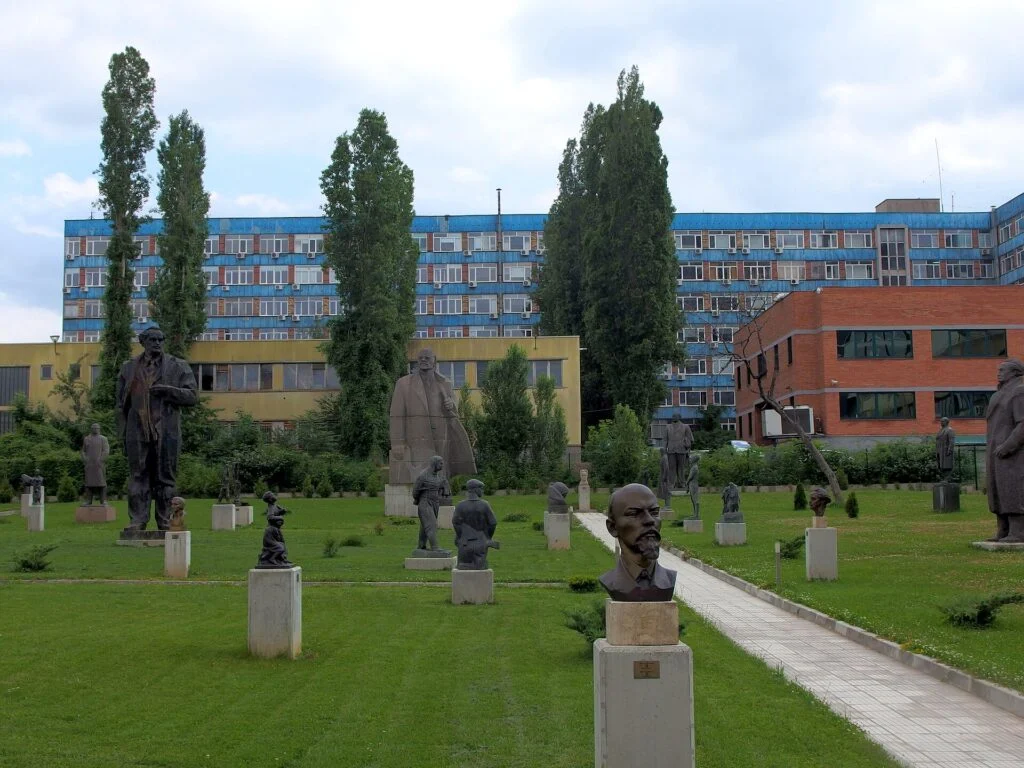
The museum’s physical space comprises indoor galleries as well as a sculpture park where monumental outdoor works are displayed against Sofia’s cityscape backdrop. This combination allows visitors to experience socialist art both as an internalized museum object and as a public form that engaged urban spaces.
The interior galleries are spacious enough to accommodate large sculptures and reliefs without crowding. Lighting and display conditions are generally adequate, though some rooms might feel austere due to the architectural style and the predominantly mid-20th-century utilitarian design.
While signage is in Bulgarian, English translations are typically offered, aiding international visitors in navigating the exhibits. The flow of rooms is logical, though the scale of some sculptures might create natural pauses in pacing.
The museum atmosphere can be quiet and contemplative, suited for visitors wanting to analyze visual propaganda with some degree of historical reflection. It is less oriented toward families with young children or casual tourists seeking broadly entertaining experiences.
Who Will Enjoy It Most
This museum caters particularly well to those with an interest in 20th-century history, political art, and the cultural dimensions of socialism. Scholars, students of art history and political science, and travelers drawn to Eastern European history will find substantial material here for thought and study.
Art lovers who prefer traditional or avant-garde works may discover the thematic focus limiting, but the technical skill and stylistic consistency in many sculptures and paintings may appeal to connoisseurs of socialist realism or political art.
Visitors curious about how societies articulate power and ideology through visual means will appreciate the collection’s depth and disciplinary focus. However, those expecting a broad survey of Bulgarian art or a more participatory museum visit could find the scope narrow and the experience cerebral.
Planning the Visit
Details such as visiting hours, admission fees, and visitor services should be verified on the museum’s official website, as they may vary seasonally or due to local regulations. Inquiries about guided tours, available languages, or special events should also be directed to museum staff for the most current information.
The museum’s location in Sofia is accessible by public transport and close enough to the city center to combine with other cultural sites. Visitors planning to arrive during peak tourist seasons may want to prepare for potential crowding, especially around the more famous sculptures.
While the sculpture park presents outdoor exhibits, much of the collection is indoors, so checking weather forecasts and planning accordingly will enhance the visit.
Editorial Verdict
The Museum of Socialist Art in Sofia distinguishes itself by offering a focused, largely unvarnished look at Bulgaria’s socialist-era artistic production. Its strength lies in assembling a broad and representative collection of monumental sculptures, paintings, and political graphics that illuminate the aesthetics and ideologies underpinning much of Bulgaria’s mid-20th-century public art.
The institution refrains from overt editorializing, presenting works as historical artefacts while providing sufficient contextual information to guide interpretation. This can make the museum appeal more to thoughtful visitors and academic audiences than to casual tourists or families seeking broad entertainment.
The physical presentation is straightforward and serious, with ample space to appreciate large works but minimal interactive elements or immersive features. While this limits engagement for some visitors, it suits the contemplative tone needed to navigate politically charged and ideologically complex material.
For those interested in the intersection of art and politics, and the visual culture of socialism in Eastern Europe, this museum offers a well-curated and instructive resource. Its focus is narrow but deep, making it a valuable addition to Sofia’s cultural landscape, albeit one whose appeal depends heavily on a visitor’s interests and expectations. Prospective visitors should consult official sources to confirm practical details before planning a visit.