Volkswagen AutoMuseum
Automobile Museums · Wolfsburg, Germany. The Volkswagen AutoMuseum in Wolfsburg, Germany, is a specialist automotive museum dedicated to the history and heritage of Volkswagen, one of the world’s largest car manufacturers. Situated in the city that is closely linked…
Best forMuseum lovers, culture travelers, first-time visitors
Setting / nearbyWolfsburg, Germany
Overview
The Volkswagen AutoMuseum in Wolfsburg, Germany, is a specialist automotive museum dedicated to the history and heritage of Volkswagen, one of the world’s largest car manufacturers. Situated in the city that is closely linked to the company’s legacy, the museum offers a concentrated look at Volkswagen’s development from its early days to more recent decades. It appeals to visitors who have an interest in automotive history, industrial design, and 20th-century German manufacturing.
Unlike general transportation or technology museums, this museum focuses specifically on Volkswagen vehicles and related artifacts, which means it may attract fans of the brand as well as those curious about the cultural impact of Volkswagen cars in postwar Europe and beyond. The museum does not function as a conventional automotive show or commercial display; it aims more at preserving and presenting the company’s history through a curated collection.
Collection Highlights
The central feature of the Volkswagen AutoMuseum is its collection of vehicles that document the company’s evolution. Visitors can expect to see a range of classic models alongside prototypes and rare editions. This includes early Beetles, arguably the most recognized model linked to Volkswagen’s identity, but the museum also showcases other series such as the Transporter, Karmann Ghia, and various experimental vehicles that reflect shifts in design and technology.
The vehicles are often presented in chronological order or thematic groupings that help trace changes in automotive engineering and consumer preferences over time. Beyond cars, the collection sometimes extends to archival materials, photographs, documents, and promotional items that shed light on Volkswagen’s industrial and cultural context. These give a broader understanding of the company’s decades-long story including its manufacturing innovations and role in German economic recovery.
A notable element in the collection is the presence of prototypes and concept vehicles that never reached broad production but illustrate Volkswagen’s approach to automotive research and design challenges. For enthusiasts, the museum offers detailed views of engineering and styling details that are less accessible elsewhere.
Building and Setting
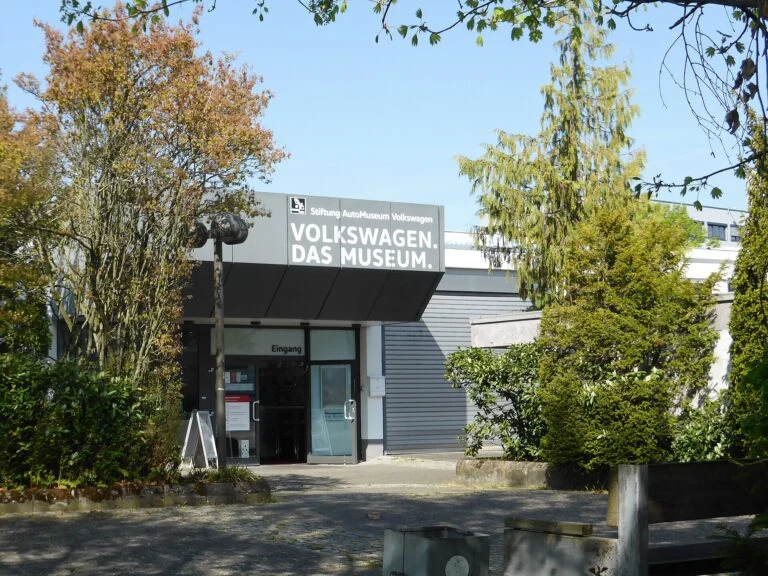
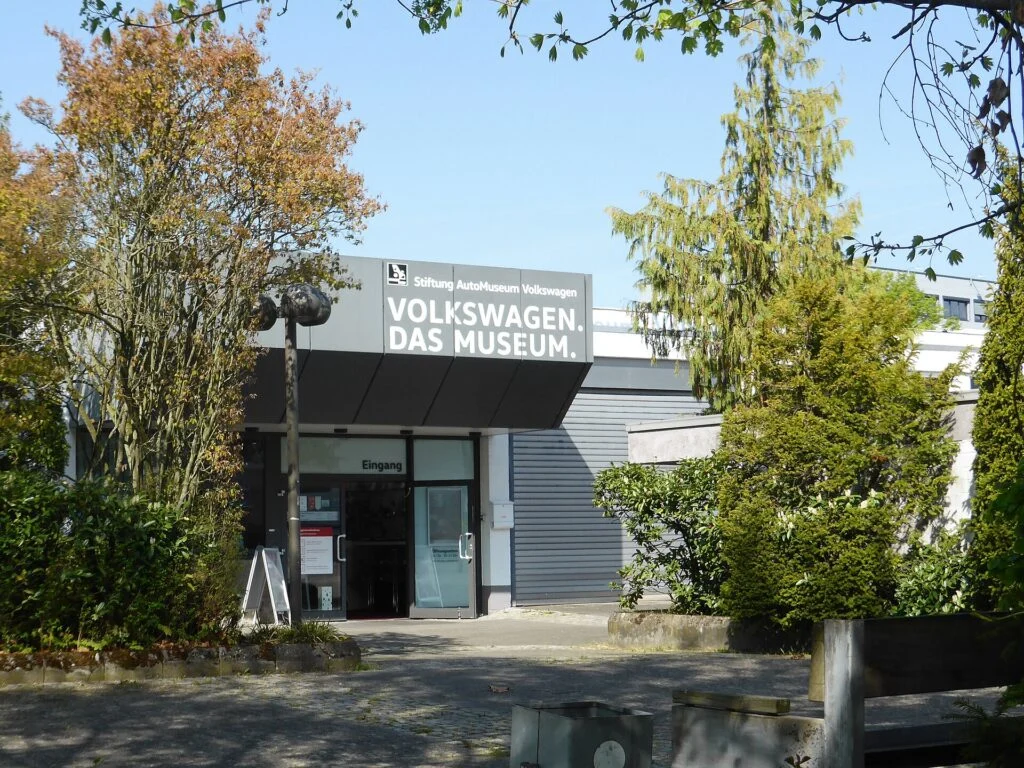
The AutoMuseum is situated in Wolfsburg, a city established largely around Volkswagen’s factories. The museum’s architecture reflects a functional, industrial style consistent with its neighboring structures, emphasizing straightforward presentation over decorative space. It occupies a site that allows some connection to Volkswagen’s manufacturing history, though it is not located inside the main factory complex itself.
The display areas are organized to facilitate a logical flow through the collection, with enough space for vehicles to be viewed clearly from different angles. Lighting and presentation tend to be clean and practical, designed to highlight the vehicles and artifacts without distraction.
Outside the museum, Wolfsburg’s urban landscape offers limited additional automotive historical sites directly accessible to casual visitors. As a destination, the city is largely known for its association with Volkswagen rather than extensive tourist amenities.
Practical Information
Details regarding tickets, opening hours, and other visitor services should be checked on the museum’s official website before planning a visit. This is particularly important since hours and admission policies can change based on seasons and special events. The museum’s layout generally allows for self-guided visits, though information panels and signage provide context for displays.
It is advisable to confirm whether guided tours or audio guides are offered, as these services vary over time and may enhance the visitor experience by adding depth to the historical narrative. Accessibility details and parking availability are also best reviewed on official sources to ensure up-to-date information.
Visitors planning a trip should also consider the location’s proximity to other Wolfsburg attractions. While the AutoMuseum is clearly a destination for car enthusiasts and historians, those with a broader interest in German culture or urban experiences may want to explore the surrounding city or combine this visit with other local museums and facilities.
Why Visit
The Volkswagen AutoMuseum presents a focused, documentary view of one of the significant automotive manufacturers in modern history. For visitors interested in the technological and design history of motor vehicles, it offers substantial material on the evolution of Volkswagen’s cars, from their origins in the mid-20th century through to more recent innovations.
Its value lies in the depth of car preservation and the ability to trace changes in a single company’s models over decades, showing how automotive design has responded to market demands and technological possibilities. It is particularly suitable for those keen to understand Germany’s industrial past and the cultural role of cars in shaping economic and social patterns after World War II.
At the same time, this museum's narrow focus means it may seem limited for visitors seeking a broader view of automotive history including other brands or the global context. Its concentration on Volkswagen does not engage extensively with the wider automotive industry or broader technological advances beyond what the company itself pursued.
In summary, the Volkswagen AutoMuseum in Wolfsburg offers a careful assembly of vehicles and related materials representing Volkswagen’s particular contribution to automotive history. It serves as an archival and educational resource as much as a public exhibition space. Visitors interested in cars, design, or German industrial history will find clear value here, while those with more general interests might treat it as one element within a wider itinerary in Wolfsburg or the Volkswagen story.
For the most current information about exhibitions, visitor arrangements, and opening times, consulting the museum’s official website before visiting is recommended.