Nagasaki Museum of History and Culture Review
History Museums · Nagasaki, Japan. The Nagasaki Museum of History and Culture is situated in Nagasaki, Japan, a city with a unique historical trajectory shaped by its role as a gateway between Japan and the wider world. From the…
History Museums · Nagasaki, Japan. The Nagasaki Museum of History and Culture is situated in Nagasaki, Japan, a city with a unique historical trajectory shaped by its role as a gateway between Japan and the wider world. From the…
Best forMaritime history, ships, harbour heritage
Review focusCollection, setting, visitor experience
Historical Context
The Nagasaki Museum of History and Culture is situated in Nagasaki, Japan, a city with a unique historical trajectory shaped by its role as a gateway between Japan and the wider world. From the 16th century onwards, Nagasaki was one of the few ports open to foreign trade and cultural exchange during Japan’s period of self-imposed isolation, known as sakoku. This status facilitated the introduction of Western influences and Christianity and established the city as a crucial hub of international interaction. The museum attempts to capture this rich, multifaceted past with an emphasis on Nagasaki’s cultural diversity and its resilience in the face of adversity, including the profound impact of World War II and the atomic bombing in 1945. By situating Nagasaki’s local history within a broader context of globalization and conflict, the institution provides an insightful narrative that appeals to both domestic and international audiences. It offers a compelling exploration of how history, culture, and memory intertwine in this storied city.
What You See on Arrival
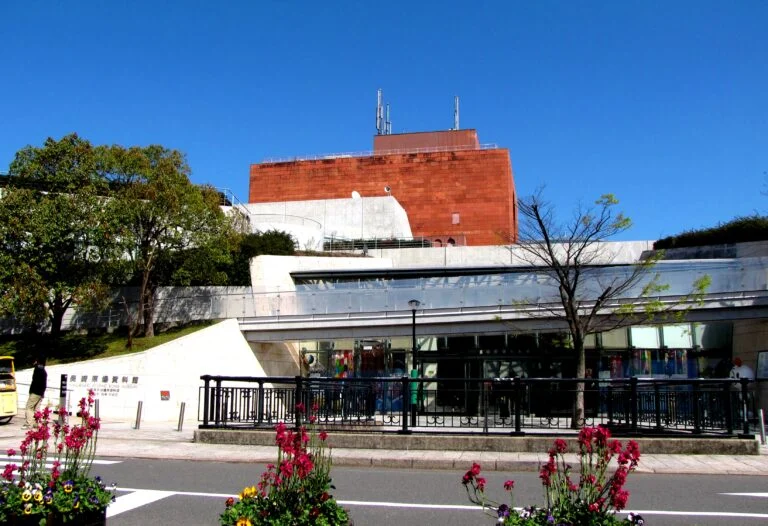
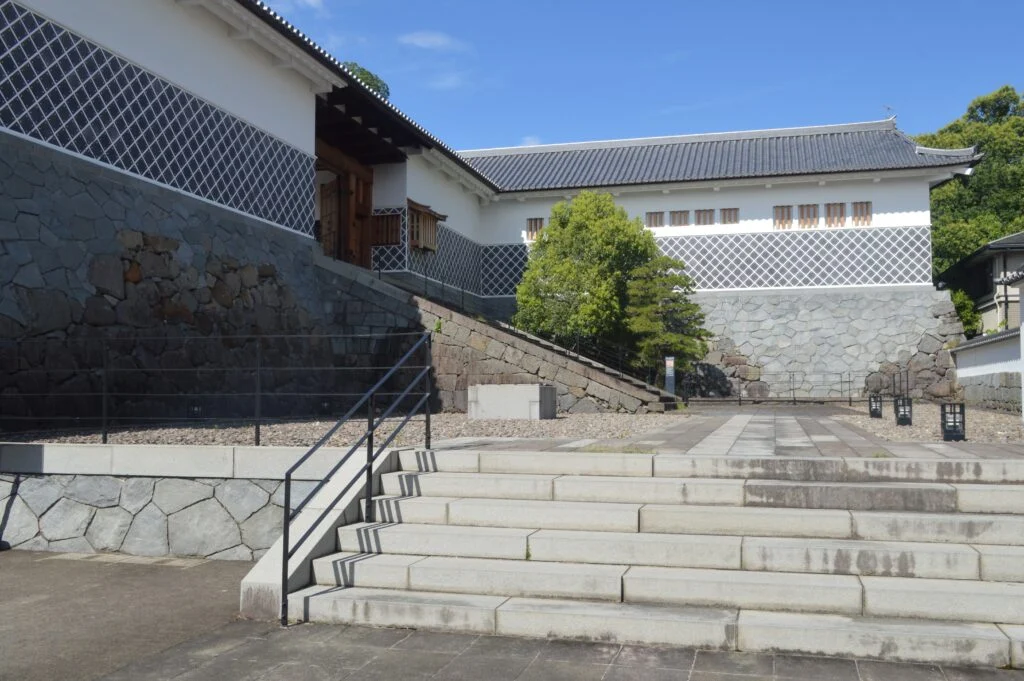
The museum’s exterior blends modern architectural elements with subtle nods to traditional Japanese design, setting a tone of respectful integration between the past and present. Upon entering, visitors encounter a spacious and well-lit lobby that immediately conveys an air of openness and accessibility. The layout encourages a logical progression through the exhibits, combining chronological and thematic displays. Informational signage is multilingual, recognizing the diversity of visitors, and clear paths guide patrons through the museum’s contents. The environment is designed to foster an immersive experience, featuring a balanced mix of display cases, interactive kiosks, and multimedia presentations. The presence of thoughtfully curated artifacts, ranging from everyday objects to significant historical relics, signals a comprehensive examination of Nagasaki’s history. A well-equipped gift shop and an inviting café are located near the entrance, providing convenient amenities for visitors to conclude or commence their visit comfortably.
Highlights and Key Exhibitions
At the core of the Nagasaki Museum of History and Culture are exhibitions that chronicle the city’s longstanding role as a center of international exchange and cultural fusion. One of the standout sections focuses on Nagasaki’s position as a vital port during the Edo period, featuring maps, trade documents, and artifacts illustrating the complex relations between Japanese merchants, European traders, and Chinese merchants. Attention is given to the local Christian community, whose perseverance under periods of persecution is depicted through sensitive displays of religious artifacts and personal histories.
The museum also devotes significant space to the devastation wrought by the atomic bombing and the subsequent recovery efforts. Through photographs, oral histories, and recovered remnants, visitors gain a poignant understanding of the impact on the city and its inhabitants. These exhibits are presented with careful consideration, balancing education with respect for those affected.
Additionally, the museum highlights the ongoing cultural dialogue embodied in Nagasaki’s food, art, and festivals, connecting historical events to contemporary life. Rotating thematic exhibitions delve into specialized topics such as maritime history and intercultural communication, though these vary and should be checked through official channels prior to visiting.
Visitor Experience
Visitors to the Nagasaki Museum of History and Culture can expect an experience that is both intellectually engaging and emotionally resonant. The comprehensive approach to storytelling weaves together historical narratives with cultural insights, making the content accessible without sacrificing depth. Audio guides and interactive displays are available to enhance understanding, catering to a range of learning preferences.
The museum staff are reportedly knowledgeable and attentive, offering assistance and additional information when needed. Spaces for reflection and rest are integrated thoughtfully throughout the museum, which is beneficial given the potentially heavy subject matter surrounding wartime exhibits. Educational programming and workshops also augment the main exhibitions, often targeting younger audiences and fostering community engagement.
Overall, the balance between informative content and sensitive presentation creates a contemplative environment. The museum’s design and presentation encourage visitors from varied backgrounds to consider Nagasaki’s history beyond stereotypical narratives, appreciating the city’s pluralistic identity and resilience.
Tickets, Access, and Planning
Entry fees to the museum are generally moderate, with discounted rates available for students, seniors, and groups. Some local residents and children under a certain age may be admitted free of charge. Tickets can be purchased on-site or booked in advance via the museum’s official website, which provides up-to-date information on opening hours, admission prices, and any seasonal changes.
The museum is conveniently located in Nagasaki city, accessible via public transportation including buses and trams. Signage leading to the museum from major transit hubs is clear and multilingual. Facilities are designed to accommodate visitors with disabilities; ramps, elevators, and accessible restrooms are available, as well as seating areas throughout the galleries. For those who prefer guided experiences, group tours can be arranged, although advance booking is recommended.
Planning a visit during less crowded times is advisable for a more intimate experience. The museum’s café serves traditional and light fare, ideal for taking breaks during longer visits. The gift shop offers a range of culturally relevant souvenirs, including books and crafts that reflect Nagasaki’s historical connections.
Final Verdict
The Nagasaki Museum of History and Culture stands as a thoughtful and comprehensive institution that successfully captures the complex and layered history of one of Japan’s most distinctive cities. Its strengths lie in the inclusive and nuanced portrayal of Nagasaki’s international legacy, its resilience through hardship, and ongoing cultural vitality. The museum’s exhibitions are well-curated, offering a blend of artifacts, multimedia, and personal stories that engage visitors on multiple levels.
While the focus on history is deep, it remains accessible to diverse audiences, with measures in place to support understanding across language barriers. The museum’s sensitive handling of difficult themes, particularly the atomic bombing, underscores its commitment to respectful education without sensationalism.
For anyone interested in the interplay of history, culture, and memory, especially within the context of a city shaped by global connections and profound challenges, this museum offers a richly rewarding experience. It is a must-visit for those seeking to understand the broader human narratives that define Nagasaki, combining education with moments of reflection in a well-appointed setting.