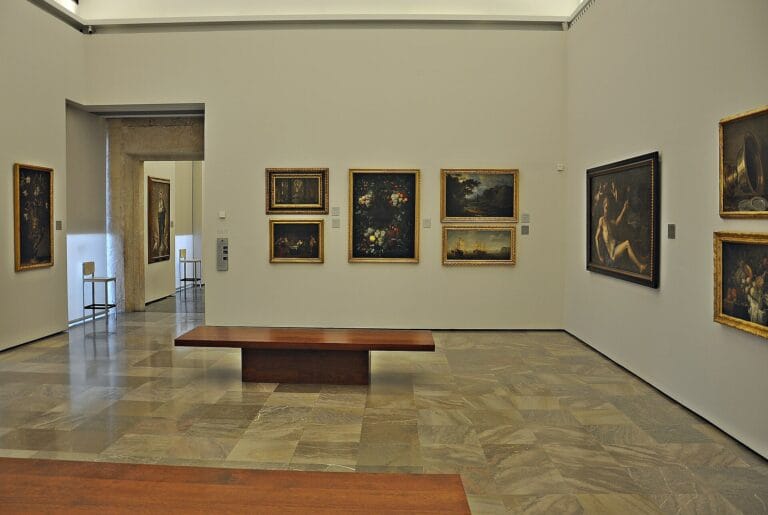
Alhambra Museum Review
Granada, Spain. The Alhambra Museum is situated within the grounds of the Alhambra in Granada, Spain, a site steeped in historical significance as a former Nasrid dynasty palace complex. Established in the 19th century, the museum…
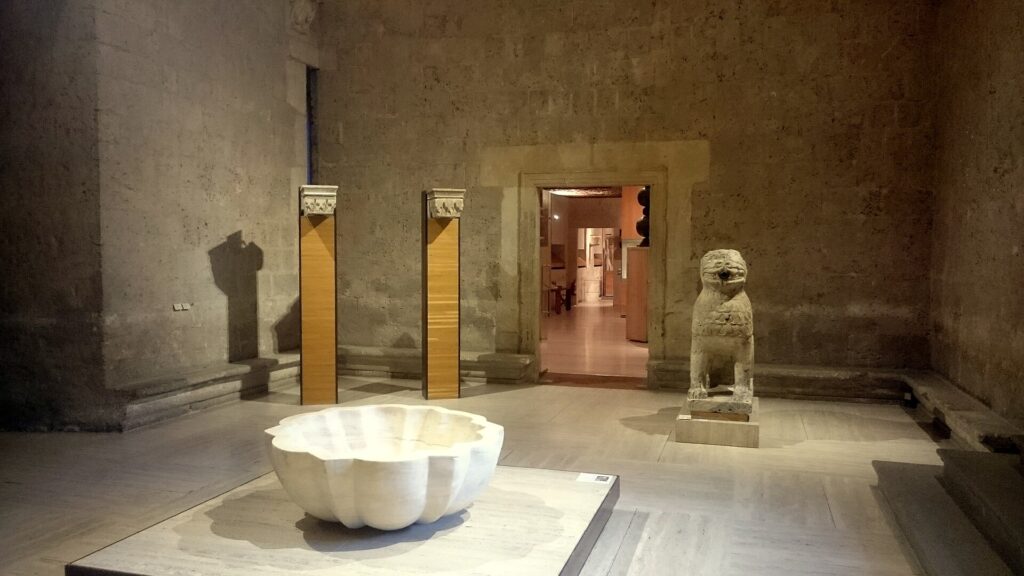
Granada, Spain. The Alhambra Museum is situated within the grounds of the Alhambra in Granada, Spain, a site steeped in historical significance as a former Nasrid dynasty palace complex. Established in the 19th century, the museum…
Best forMuseum lovers, culture travelers, first-time visitors
Review focusCollections, visitor experience, and practical planning
Historical Context
The Alhambra Museum is situated within the grounds of the Alhambra in Granada, Spain, a site steeped in historical significance as a former Nasrid dynasty palace complex. Established in the 19th century, the museum seeks to illustrate the rich cultural, artistic, and architectural heritage of the Alhambra, concentrating on its role as the last Muslim stronghold on the Iberian Peninsula prior to the Christian Reconquista. The museum’s collections document the evolution of this fortress-city, showcasing the craftsmanship and artistic innovation that flourish under Nasrid patronage during the 13th to 15th centuries.
Granada itself is a city layered with complex histories, reflecting centuries of interaction between Islamic and Christian influences. The museum plays a pivotal role in bridging medieval Andalusian Muslim art and architecture with the broader narrative of Spanish history. It helps place the Alhambra not simply as an isolated monument but as an active site of cultural exchange and political power projection in late medieval Spain. Throughout its existence, the museum has adapted and grown, reflective of scholarship and public interest shifting towards a more nuanced understanding of the region’s Islamic heritage, which had been marginalized in earlier historiographies. Consequently, the museum does more than preserve objects; it offers insights into a formative epoch for both Granada and the Iberian Peninsula at large.
What You See on Arrival
Approaching the Alhambra Museum involves entering a setting defined by the larger architectural and landscaping grandeur of the Alhambra complex. The museum is housed in restored palatial structures adjacent to or within the Alhambra itself, maintaining an experiential continuity linked to the original architectural environment. This proximity allows visitors to contextualize the artifacts on display within the actual built heritage from which many emerge. The museum’s exterior and entry spaces tend to present a restrained, carefully preserved facade that reflects the historic character of the site, avoiding excessive modern interventions that could detract from authenticity.
Visitor circulation into the museum is framed by the anticipation built through the experience of visiting the Alhambra’s outdoor courtyards, gardens, and ramparts. This spatial framing situates the museum not as a standalone institution but as an intrinsic part of the entire Alhambra experience. The entrance and lobby areas typically identify the museum clearly through bilingual signage and orientation aids, balancing visitors’ need for information alongside preserving the aesthetic and historic atmosphere. The architectural context provides a prelude to the museum’s contents, encouraging visitors to consider art and artifacts as integral components of the site’s story rather than isolated objects in cases.
Highlights and Key Exhibitions
The museum’s core collection focuses primarily on Nasrid art and artifacts, representing the high point of Islamic art on the Iberian Peninsula. Visitors can expect to encounter finely carved stucco panels, intricately patterned tilework (zellij), ornamental plasterwork, wooden ceilings, and fragments of archways and inscriptions originally from various parts of the Alhambra complex. These pieces collectively elucidate the sophisticated decorative language and craftsmanship that characterized Nasrid architecture. The collection is arranged to highlight the technical virtuosity and aesthetic principles found in these surviving elements, emphasizing geometric design, calligraphy, and vegetal motifs common in Islamic art.
In addition to architectural fragments, the museum displays smaller artifacts such as ceramics, textile fragments, metalwork, and everyday objects recovered from archaeological contexts. These items provide a valuable counterpoint to the monumental architectural pieces, giving insight into the material culture and daily life of the medieval Muslim court and its attendant populations. The ceramics collection has examples with lustreware glazes and other sophisticated finishes that underline the technological achievements of Nasrid potteries.
The museum also addresses the Christian reconquest period by exhibiting artifacts and documents reflecting the subsequent Christian occupants' impact on the Alhambra. This includes some Christian furnishings or adaptations of Islamic motifs reinterpreted in the post-Reconquista era, which point to complex layers of cultural continuity and transformation rather than simple destruction or replacement.
Through its exhibitions, the museum undertakes a careful balance between art history, archaeology, and material culture studies, framing the Alhambra as a multifaceted site where artistic excellence met political symbolism. The explanatory texts and labels often contextualize objects within the broader architectural ensemble or historical events, helping visitors tie individual pieces to the Alhambra’s functional and symbolic uses.
Visitor Experience
The Alhambra Museum is designed to cater to a wide spectrum of visitors including art historians, heritage enthusiasts, students, and the general public with an interest in medieval Iberian history. The pacing of the exhibition is mostly linear, allowing visitors to gradually accumulate knowledge and appreciation for Nasrid artistic traditions alongside the social and political contexts of the time. However, the density of decorative fragments in some galleries may feel overwhelming to those unfamiliar with Islamic art, whereas specialists may appreciate the detailed presentation.
Interpretive materials tend to be clear and accessible, avoiding overly technical jargon while still providing depth on the significance of key objects and architectural elements. There is typically a good balance between visual displays and explanatory panels, although some visitors might desire more multimedia content or interactive elements to complement the static exhibits. Labels and signage generally appear in Spanish and English, accommodating international audiences, but depth of written information can vary across sections.
A potential limitation is the museum’s relatively modest size compared to larger, more comprehensive art institutions. It cannot fully encompass every aspect of Nasrid life or Islamic art more broadly, nor does it delve deeply into comparative studies with other Mediterranean cultures. Visitors seeking a more extensive historical narrative of Andalusia or a sweeping overview of Islamic Spain may need to combine a visit here with other local museums or libraries.
Overall, the visitor experience is one of measured discovery, offering tangible connections to the Alhambra’s original decorative schemes while inviting reflection on cultural hybridity and historic transformation. The quietness and intimacy of the museum complement the grandeur of the surrounding Alhambra palaces and gardens.
Tickets, Access, and Planning
As the Alhambra Museum is part of the larger Alhambra site, practical access and visit planning are closely tied to the policies governing the entire complex. Prospective visitors should review the official Alhambra website for up-to-date information on admission procedures, opening times, and any requirements related to timed entry or guided tours. Access to the museum may be subject to constraints due to the delicate nature of the artifacts and the historic buildings housing the exhibitions.
Visitors should anticipate potential crowding during peak tourist seasons, given the Alhambra’s popularity. It is advisable to plan the museum visit either early in the day or later in the afternoon to avoid the busiest periods inside the complex. The museum itself is relatively compact but involves some walking across historic and possibly uneven terrain.
Because the museum is installed within medieval architecture, it may present challenges for visitors with mobility impairments; advance inquiries about accessibility options are recommended. The site does not generally offer extensive modern amenities, so visitors should come prepared accordingly. Given its location in Granada, the museum is accessible via public transportation from the city center, but travelers relying on private vehicles should consult local guidance about parking regulations near the Alhambra.
Final Verdict
The Alhambra Museum serves as a thoughtful companion piece to the world-famous Alhambra palaces, articulating the artistry, cultural context, and historical significance of the Nasrid dynasty’s final chapter in Spain. For those interested in Islamic art, medieval architecture, or the layered history of Granada, the museum provides concentrated access to key objects rarely found outside this setting. Its collection of architectural fragments and decorative arts offers an important glimpse into a sophisticated court culture often overshadowed by other periods of Spanish history.
The museum works best as part of a broader visit to the Alhambra site or as a focused introduction to Nasrid material culture. It offers clear, informative presentation without excessive didacticism, allowing audiences of varying familiarity to engage with the content. Nonetheless, its modest scale and specialized focus mean it will not provide a comprehensive narrative of Andalusian history nor address every facet of Islamic heritage in Spain.
Those planning a visit should carefully consider their time allocation and keep abreast of official information about admission and access to ensure a smooth experience. This is not a museum designed for casual drop-in visits but one that rewards those with some prior interest or who are willing to invest time in the layered history of the site.
In sum, the Alhambra Museum is a valuable cultural institution that offers insight into one of Spain’s most historically and artistically rich complexes. It complements the architectural brilliance of the Alhambra with a tangible connection to the people, crafts, and political currents that shaped its creation and legacy. For visitors with an interest in medieval Islamic art and heritage, it remains an instructive and worthwhile destination.