Nagasaki Museum of History and Culture
History Museums · Nagasaki, Japan. The Nagasaki Museum of History and Culture offers an insightful journey into the rich and complex past of Nagasaki, a city that has long served as a cultural and commercial gateway between Japan and…
Best forAncient history, archaeology, cultural heritage
Setting / nearbyNagasaki, Japan
Overview
The Nagasaki Museum of History and Culture offers an insightful journey into the rich and complex past of Nagasaki, a city that has long served as a cultural and commercial gateway between Japan and the wider world. This local history museum provides a comprehensive exploration of Nagasaki’s unique role in Japanese history, heavily influenced by its position as one of the few ports open to foreign trade during Japan’s period of isolation. Visitors to the museum can expect to encounter a diverse and enlightening presentation of the city’s development, its intercultural connections, and enduring traditions, fostering a deeper understanding of Nagasaki’s place within both Japanese and global history.
Collection Highlights
The museum’s collection spans a broad timeline, focusing on artifacts that reflect Nagasaki’s identity as a hub of international exchange and cultural fusion. Among the most captivating exhibits are relics from Nagasaki’s days as a gateway for Portuguese, Dutch, and Chinese traders, including navigational instruments, ceramics, textiles, and religious artifacts that illustrate the interactions between Japan and these foreign cultures. The displays shed light on how these exchanges influenced local customs, cuisine, and crafts.
Significant attention is given to the city’s Christian heritage and the challenges faced by local communities during periods of persecution, with illuminating exhibits of religious art and documents. Another important highlight is the museum’s treatment of Nagasaki’s modern history, particularly its recovery and resilience following the devastation of the atomic bombing in 1945. Artifacts, photographs, and personal stories thoughtfully reflect on this tragic event while emphasizing the city’s commitment to peace and reconstruction.
The museum also celebrates traditional Nagasaki arts and crafts, from intricate kilns producing porcelain to lively festival costumes and masks, providing insight into both everyday life and ceremonial occasions. This blend of cultural artifacts creates a multifaceted narrative that connects historical context with tangible cultural expressions, making the collection meaningful and engaging.
Building and Setting
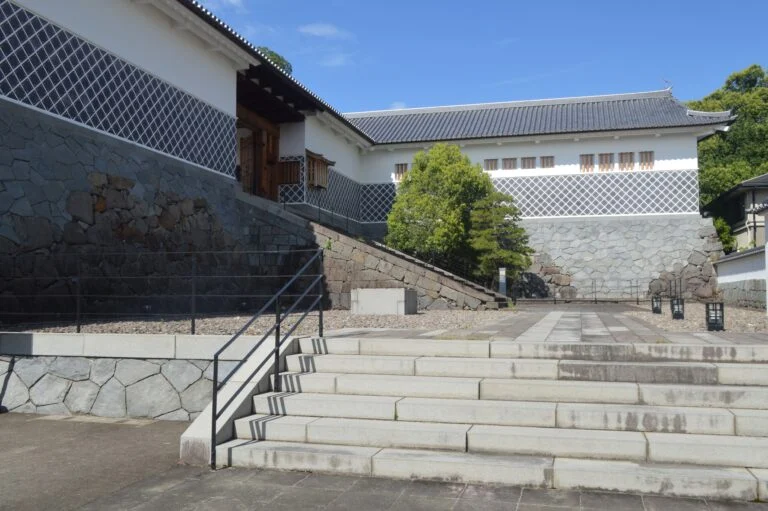
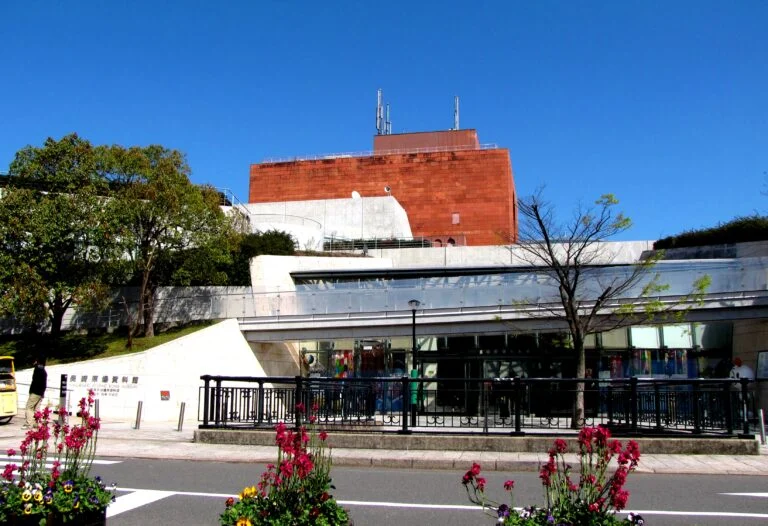
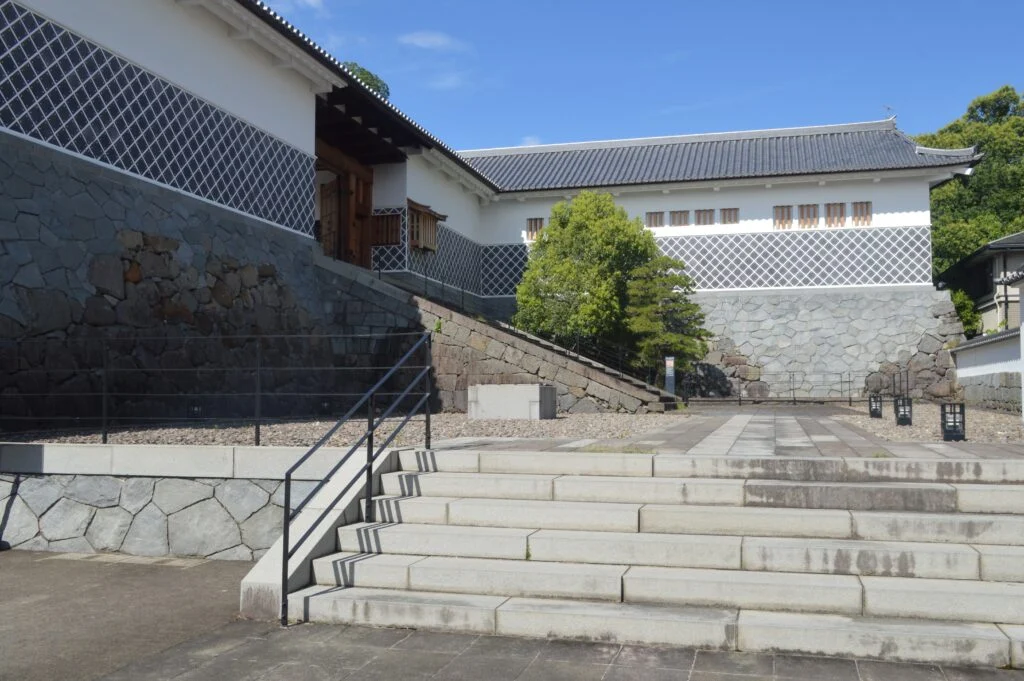
Situated in a modern yet harmoniously designed building, the Nagasaki Museum of History and Culture is thoughtfully integrated into its urban surroundings. The architecture balances contemporary elements with design nods to traditional Japanese aesthetics, creating a welcoming environment for visitors of all ages. Large windows and open spaces help illuminate exhibits naturally, enhancing the viewing experience.
The museum’s location is convenient for exploring Nagasaki’s historical sites, often enjoying views or proximity to landmarks that further enrich a visit—such as ancient temples, foreign trading posts, or scenic waterfront areas. Gardens or external displays featuring sculptures may also complement the museum experience, offering quiet spots for reflection between museum galleries.
The facility is equipped with amenities aimed at making the visit comfortable and accessible, potentially including multilingual signage and audio guides. Additionally, temporary exhibitions and cultural events are regularly held, providing repeat visitors or locals with fresh perspectives on the city’s history and cultural life.
Practical Information
Before planning a visit to the Nagasaki Museum of History and Culture, it is advisable to confirm current opening hours and ticketing details, as these can sometimes vary seasonally or due to special events. The museum strives to accommodate a wide range of visitors and may offer discounts for students, seniors, or group bookings. Information on guided tours or educational programs can typically be obtained through the official website or directly from the museum’s visitor services.
Accessibility features, such as ramps or elevators, are generally available to ensure that individuals with mobility challenges can enjoy the exhibits comfortably. Photography policies and the availability of interactive displays or hands-on activities should be checked for the latest updates to enhance the visit.
Why Visit
The Nagasaki Museum of History and Culture is more than just a repository of artifacts; it is a vibrant center for understanding the interconnectedness of local and global narratives through the lens of one remarkable city. Its exhibits reveal not only historical facts but also the spirit of a community shaped by openness, resilience, and cultural dialogue.
For those curious about Japan’s interactions with the wider world, Nagasaki’s role as a unique port during times of international isolation provides a fascinating case study. The museum’s considerate curation makes these complex dynamics accessible and intriguing, whether to history enthusiasts, educators, or families.
Moreover, the museum’s reflective approach to the city’s more recent history encourages contemplation of peace and reconciliation, making it a meaningful destination for visitors interested in history’s impact on present identity and values. The celebration of traditional arts and crafts further enriches the visit by highlighting the living heritage of Nagasaki.
In sum, the Nagasaki Museum of History and Culture offers a warm, educational, and inspiring experience, inviting visitors to connect with the many layers of Nagasaki’s past while appreciating its ongoing cultural vitality.