Museo Anahuacalli Review
Mexico City, Mexico. The Museo Anahuacalli in Mexico City occupies a distinctive place within the city’s cultural landscape, embodying a unique fusion of pre-Hispanic art and the architectural vision of Diego Rivera, one of Mexico’s most influential…
Mexico City, Mexico. The Museo Anahuacalli in Mexico City occupies a distinctive place within the city’s cultural landscape, embodying a unique fusion of pre-Hispanic art and the architectural vision of Diego Rivera, one of Mexico’s most influential…
Best forMuseum lovers, culture travelers, first-time visitors
Review focusCollections, visitor experience, and practical planning
Historical Context
The Museo Anahuacalli in Mexico City occupies a distinctive place within the city’s cultural landscape, embodying a unique fusion of pre-Hispanic art and the architectural vision of Diego Rivera, one of Mexico’s most influential painters. Established through Rivera’s personal initiative and designed by him alongside architect Juan O’Gorman, the museum was conceived as a repository for the artist’s extensive collection of indigenous Mexican artifacts. Unlike more conventional museums, the Anahuacalli’s origins are deeply personal, constructed with the intention to unify art, architecture, and indigenous culture within a single monumental structure.
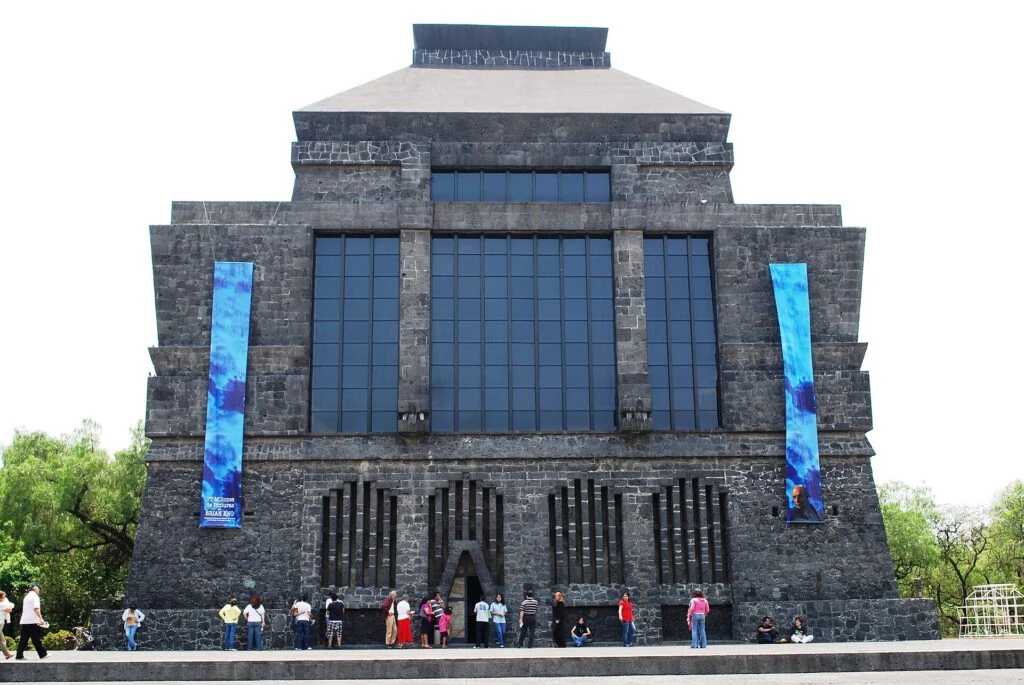
The museum’s name itself, “Anahuacalli,” is derived from the Nahuatl language, meaning “house of the Anahuac” or “house of the waters of the valley,” signaling a deliberate connection to Mexico’s indigenous heritage. Constructed in the 1950s, the building is an imposing yet symbolic edifice, built primarily from volcanic stone sourced locally, which marks a commitment to national materials and traditional aesthetics. Rivera’s vision was to create a space where indigenous art was not sidelined but celebrated as a core component of Mexico’s identity. This perspective, forged within the context of post-Revolutionary Mexico, reflects broader mid-20th-century Mexican art and cultural movements that sought to reclaim and elevate indigenous narratives in the national self-conception. Yet, while the Anahuacalli is rooted in Rivera’s artistic and ideological project, it also functions as a specialized public museum, focusing largely on pre-Columbian history and art.
What You See on Arrival
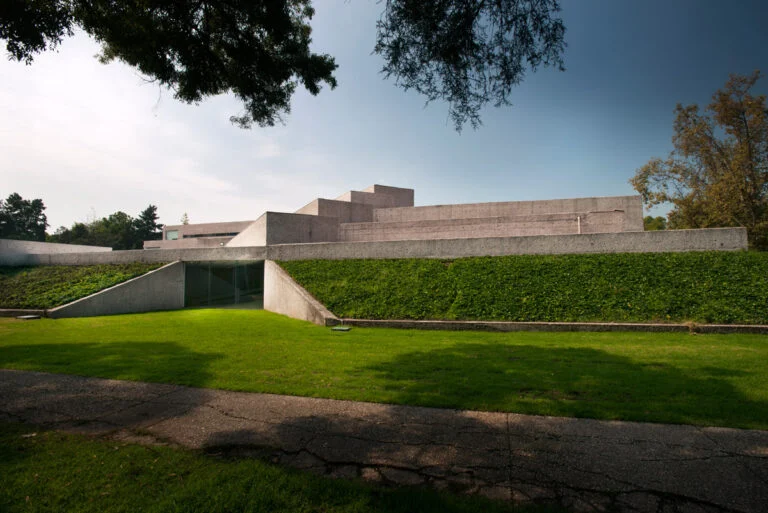
Approaching the Museo Anahuacalli, visitors encounter a striking structure that is itself an artifact. The building’s massive, block-like appearance made of dark volcanic stone immediately signals its divergence from typical museum architecture in the city. Its form is unapologetically tied to Mesoamerican design principles without replicating any single style, instead using architectural mass and texture to evoke a temple or fortress. This serves as a dramatic framing device before one even steps inside, setting a tone of solemnity and cultural depth.
The museum’s setting in the southern part of Mexico City offers a quieter environment compared to the bustling downtown or central tourist areas. The semi-rural location reinforces a sense of retreat and invites contemplation. From the outside, there is a clear message that this is a place of permanence and seriousness in its mission to honor indigenous legacies. Though the museum is associated with Diego Rivera, the external architecture itself does not prioritize narratives of his life or artistic achievements; rather, it emphasizes the collection’s cultural source—pre-Hispanic Mexico.
Entrance points and signage maintain an understated approach, which may require visitors to have done some prior preparation or research to fully appreciate the intent behind the design and collection. The framing is less about accessibility in a casual sense and more about immersion into a focused cultural experience. The visitor is made aware immediately that the institution offers a specialized encounter rather than a broad survey of Mexican and modern art.
Highlights and Key Exhibitions
The core appeal of Museo Anahuacalli lies in its extraordinary collection of pre-Hispanic artifacts, amassed primarily by Diego Rivera during his lifetime. These pieces represent various Mesoamerican cultures, with particular prominence given to the Aztec (Mexica) civilization, which Rivera regarded as central to Mexican identity. The collection includes a wide array of stone sculptures, ceramics, masks, tools, and ritual objects spanning multiple regions and epochs before the Spanish conquest.
One of the most notable aspects is the sheer variety of volcanic stone sculptures, many carved with detailed iconography that conveys religious, social, and political symbolism. These range from smaller ritual objects to larger-than-life monumental figures. Visitors can observe how these works reflect complex indigenous cosmologies and worldviews, with many pieces connected to deities, myths, or ceremonial practices. The collection enables a textured engagement with the visual language of Mesoamerican spirituality and governance.
Ceramics form another significant component of the collection, with intricately shaped and decorated vessels offering insight into everyday life, cooking, and storage practices, as well as ritual use. The museum presents these objects in ways that highlight their dual function as art and utilitarian items, reflecting interdisciplinary intersections of archaeology and anthropology.
The architectural setting of Anahuacalli is integral to the exhibition experience itself. Rivera designed interior spaces and display cases that complement the artifacts’ materials and meanings. The dark stone interiors heighten the tactile sensation of weight and presence, connecting the visitor physically to the same volcanic environment that produced many of the artifacts. This creates a congruence between building and collection that is rare in museum design.
However, the museum focuses exclusively on pre-Hispanic art, with no significant holdings or exhibitions addressing later colonial or contemporary Mexican art beyond Rivera’s influence. This narrow thematic scope means that some visitors seeking a broader chronological understanding of Mexico’s art history might find the museum’s collection somewhat limited.
Visitor Experience
The Museo Anahuacalli offers an experience tailored primarily toward visitors with a clear interest in Mesoamerican archaeology, indigenous art, and the cultural politics of early 20th-century Mexican art. The museum’s spatial design and interpretive approach encourage slow, deliberate exploration. Exhibits are arranged to invite close inspection rather than frantic movement, though the absence of large crowds provides visitors freedom to set their own pace.
Interpretive materials provide valuable context for understanding the significance of individual pieces and their cultural origins. Labels and display texts tend to focus on archaeological provenance, iconographic meaning, and historical significance, rather than on purely aesthetic evaluations. This approach complements the museum’s educational mission but might challenge visitors expecting more straightforward, tourist-friendly narratives or multimedia interpretation.
One of the strengths of the Anahuacalli lies in its architectural atmosphere. The heavy volcanic walls, filtered natural light, and thoughtfully composed exhibition spaces combine to create an environment that feels both contemplative and grounded. This atmosphere can deepen visitor engagement with the artifacts by fostering a physical and emotional connection to Mesoamerican cultural legacies. At the same time, the focus on stone and earth elements—the materials from which many objects and the building itself are made—can give a somewhat somber or austere impression.
The museum’s specificity makes it especially suitable for scholars, students, and visitors who already possess some familiarity with Mexican indigenous cultures or those who visit with a particular interest in Rivera and his collecting practices. Visitors without prior contextual knowledge might find some exhibits requiring additional supplementation from guidebooks or preparatory reading to fully grasp their importance.
While the building and collection are interwoven, the physical scale and building layout can present challenges to visitor flow. The museum’s somewhat fortress-like structure results in narrow corridors and smaller galleries compared to larger urban museums. This design may limit ease of circulation, particularly at busier times or for visitors with reduced mobility, though exact accessibility features should be confirmed before planning a visit.
Tickets, Access, and Planning
Visitors planning a trip to the Museo Anahuacalli should consult the official museum website or contact the institution directly for the most accurate and current information regarding admission policies, opening hours, ticketing procedures, and any COVID-related restrictions or protocols. Information about concessions, guided tours, audio guides, or special events is also best verified through official channels.
Located in the southern part of Mexico City, access to the museum involves some travel away from the central historic districts where the majority of major museums and landmarks are concentrated. Public transit options may be available but could require transfers or additional walking, so travelers unfamiliar with the city’s layout should plan accordingly. For those using private vehicles, information on parking availability should be checked ahead, as this can vary.
Since the museum’s exhibition content and architectural format aim toward depth rather than breadth, visitors should allocate sufficient time to move thoughtfully through the space. Conservation of focus and patience will enhance the experience, as rushing through would limit the ability to appreciate the nuanced collection and the interplay with the building’s architectural elements.
Final Verdict
The Museo Anahuacalli stands as a remarkable institution distinguished by the singular vision of Diego Rivera and his commitment to preserving and honoring indigenous Mexican culture through its pre-Hispanic artifacts and an innovative architectural setting. It offers a deep dive into Mesoamerican art and spirituality, framed by a building that is itself part of the story. This characteristic makes the museum especially valuable for those who have a specific interest in pre-Columbian Mexico, scholarly research, or the intersections of art and national identity in the 20th century.
Yet the museum’s specialization also imposes limits. Visitors seeking a broader survey of Mexican art or a more conventional museum experience may find its focus tight and its tone sober. The architectural massiveness and relative austerity can be imposing rather than inviting for casual visitors. Additionally, access considerations related to location and building layout suggest careful planning is advisable.
Overall, the Museo Anahuacalli offers a distinctive and thought-provoking experience, weaving together artifact and architecture in a way few museums attempt. It is a place that rewards patience, concentration, and prior interest. For those willing to engage on these terms, it can enrich understanding of Mexico’s complex cultural heritage. Those looking for variety or more extensive contextual interpretation should consider supplementing their visit with companion institutions in Mexico City that cover other periods and artistic movements.