Museo Naval de Madrid
Maritime Museums · Madrid, Spain. The Museo Naval de Madrid is Spain’s national naval museum, dedicated to preserving and presenting the maritime heritage of the Spanish Navy. Situated in the capital city, it reflects centuries of naval history, exploration,…
Best forMaritime history, ship lovers, port culture
Setting / nearbyMadrid, Spain
Overview
The Museo Naval de Madrid is Spain’s national naval museum, dedicated to preserving and presenting the maritime heritage of the Spanish Navy. Situated in the capital city, it reflects centuries of naval history, exploration, and shipbuilding. As a maritime museum with an emphasis on Spain’s naval past, its scope covers a wide chronological span, from early seafaring and naval warfare to more modern developments. The museum offers insights into the role of naval power in shaping Spain’s history and identity, making it relevant to anyone with an interest in maritime affairs or military history.
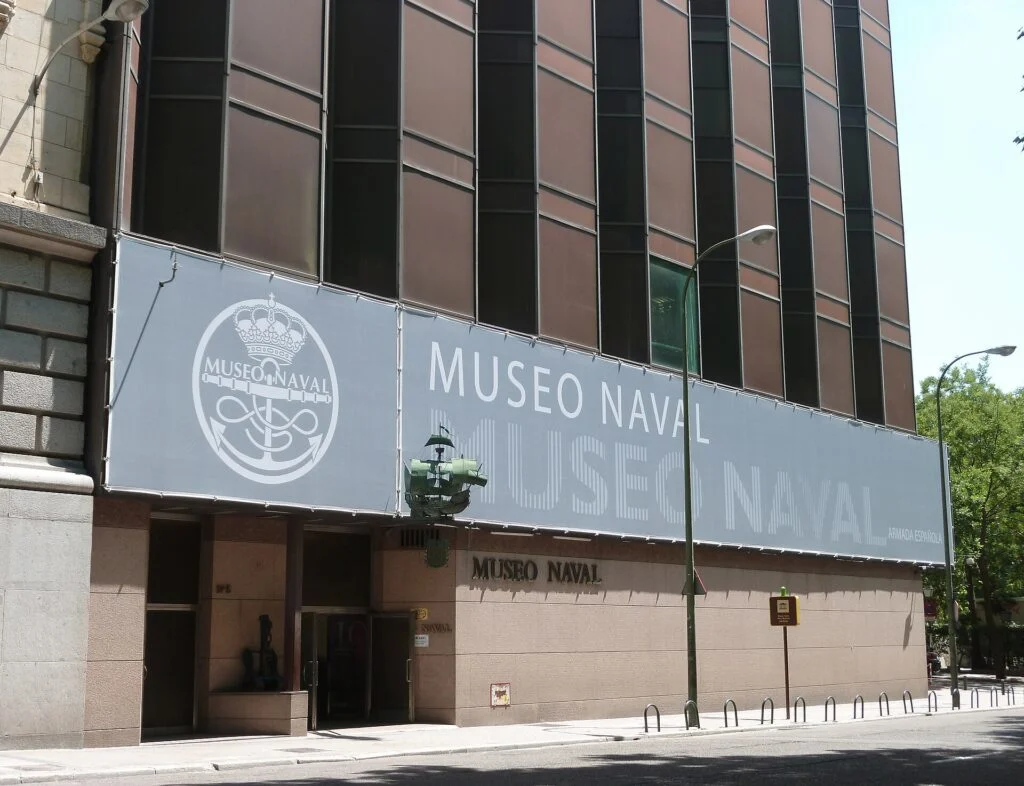
Unlike larger naval museums located at or near coastal naval bases, the Museo Naval de Madrid is located inland, within the city. This makes it more accessible for those already visiting Madrid for other cultural attractions. At the same time, its urban location means it does not have moored ships as exhibits, relying instead on an extensive range of artifacts, models, documents, and artworks to convey its story.
Collection Highlights
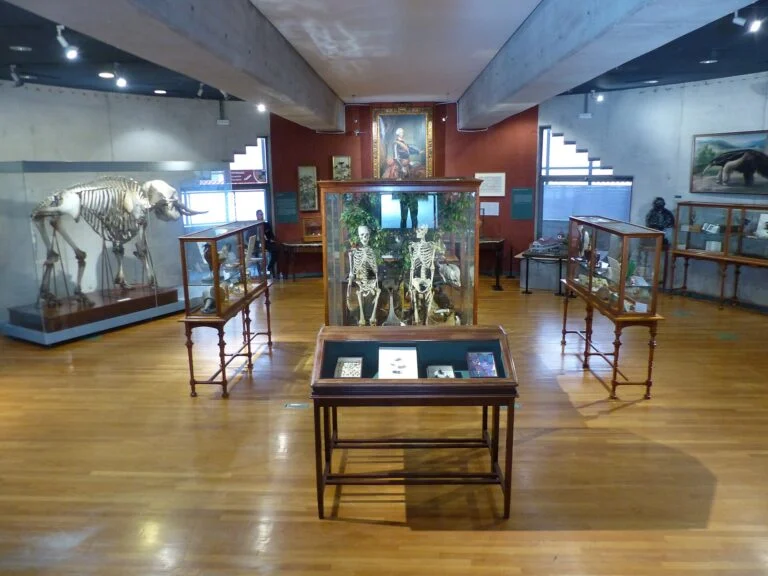
The museum’s collection centers on objects related to the Spanish Navy and its maritime activities. Visitors can expect to see detailed ship models representing various classes of vessels used over the centuries, including galleons, frigates, and steam-powered ships. These models are carefully crafted and serve as a key visual aid to understanding naval architecture and technological progress.
There is also a considerable array of navigational instruments and maritime equipment. Sextants, compasses, chronometers, and other devices illustrate the evolution of navigation and the practical challenges faced by sailors in different eras. This material helps contextualize Spain’s notable history of oceanic exploration and overseas expansion.
Historical weaponry and artifacts connected with naval battles form another significant element of the collection. Cannons, firearms, uniforms, flags, and medals provide a tangible link to Spain’s military engagements at sea, from the Age of Sail through later periods. Alongside these are archival materials, including maps and documents, shedding light on naval operations, shipbuilding, and maritime policy.
The museum also holds a selection of maritime art, featuring paintings and prints that portray notable ships, battle scenes, and seafaring life. These works contribute to an understanding of how the sea and naval power have been represented and perceived culturally.
Overall, the collection is comprehensive for those interested in Spain’s naval tradition but may be less engaging for visitors without a specific interest in maritime themes. The museum’s exhibits focus primarily on Spanish naval history, so visitors looking for broader international naval contexts or commercial maritime history might find the coverage more limited.
Building and Setting
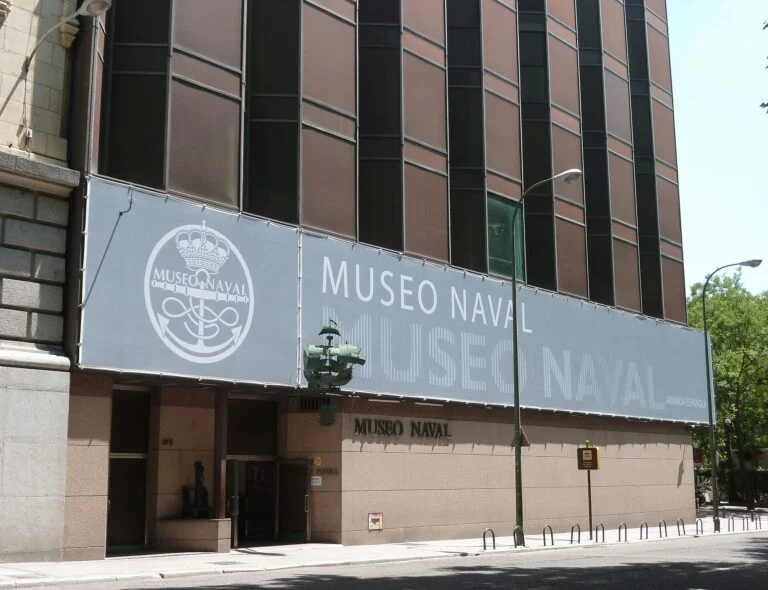
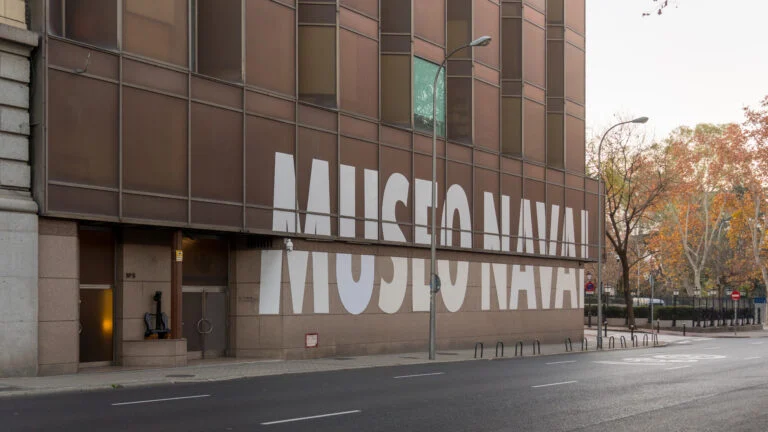
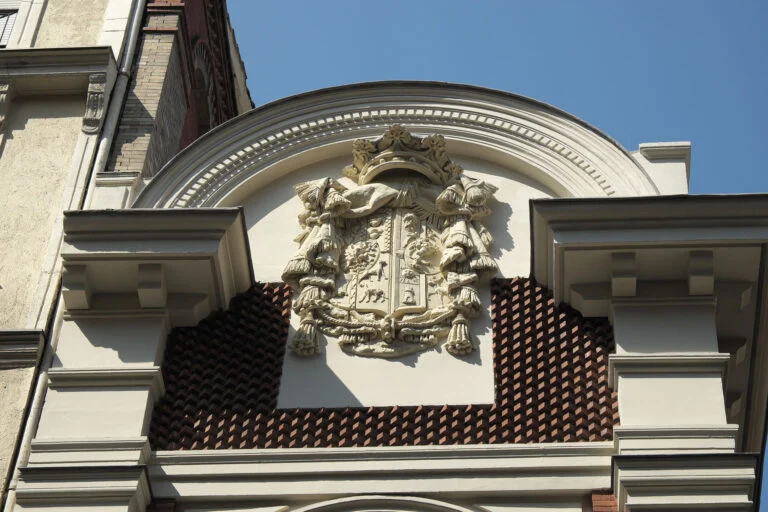
The Museo Naval de Madrid is housed in a stately building within Madrid’s urban fabric, distinct from waterfront museums. Its interior spaces are arranged to accommodate the varied artifacts, with exhibition rooms organized by theme or historical period. The setting within the city means visitors can easily combine a museum visit with other nearby cultural or historic sites.
The layout appears to be straightforward, allowing a chronological or thematic progression through the displays. Lighting and display cases seem designed to protect delicate items while enabling close inspection. The absence of large outdoor naval exhibits is notable, which means the experience relies heavily on internal displays rather than on-site ships or waterfront views.
Its location in a major European capital city means the museum is likely to attract a mix of domestic visitors with an interest in national history and international travelers looking to understand Spain’s naval contributions. This urban context places the Museo Naval de Madrid within a wider cultural itinerary rather than a specialized maritime destination.
Practical Information
For those planning a visit, it is advisable to confirm current opening hours, admission procedures, and any COVID-19 related restrictions or changes directly with the museum. Official resources or the museum’s website will provide the most accurate and up-to-date information.
Information about guided tours or audio guides is not definitively available here and should be checked if these services are important to your visit. Similarly, details on accessibility, parking, and onsite amenities such as cafes or shops should be reviewed in advance, especially for visitors with specific needs.
The museum’s urban location means it is generally reachable by public transport or by foot from central Madrid, though those unfamiliar with the city may want to plan their route carefully.
Why Visit
The Museo Naval de Madrid offers a focused perspective on Spain’s naval history, ideal for visitors with specific interests in maritime heritage or military history. Its strength lies in the depth of its collection and the historical narrative it presents, tracing Spain’s naval endeavors from the early modern period onward.
Visitors who appreciate detailed ship models, naval instruments, historic weaponry, and related artwork will find the museum rewarding. It sheds light on the complexities of naval life, navigation, and Spain’s role in maritime exploration and defense.
However, those whose primary interest is in contemporary naval technology, international maritime trade, or a broader global naval narrative might find the museum less comprehensive in those areas. It is particularly oriented toward Spain’s naval story, which may not fully satisfy visitors expecting a more expanded international scope.
Given its location in Madrid, the museum can complement other cultural visits within the city, providing a thematic contrast to art museums, palaces, or history museums focused on other aspects of Spanish history. For those who enjoy understanding how Spain’s naval forces impacted its national and imperial history, this museum offers relevant material in an accessible and well-curated format.
In summary, the Museo Naval de Madrid is a specialized institution valuable for its historical focus, strong collection of maritime artifacts, and position within Spain’s cultural capital. Prospective visitors should prepare by checking practical details in advance and should approach the museum as a place to deepen understanding of Spain’s naval traditions rather than a broad maritime museum with extensive interactive or large-scale exhibits.