Museo Nacional de Ciencias Naturales
Natural History Museums · Madrid, Spain. The Museo Nacional de Ciencias Naturales is Spain’s principal natural history museum, located in the capital city of Madrid. Founded in the late 18th century, the museum serves as a repository for scientific specimens…
Best forMuseum lovers, culture travelers, first-time visitors
Setting / nearbyMadrid, Spain
Overview
The Museo Nacional de Ciencias Naturales is Spain’s principal natural history museum, located in the capital city of Madrid. Founded in the late 18th century, the museum serves as a repository for scientific specimens that cover the diversity of the natural world, with a primary focus on geology, paleontology, zoology, and botany. Its role is both educational and research-oriented, maintaining collections intended not only for public exhibition but also for ongoing scientific study. The museum has evolved over the centuries and is currently housed in a building that reflects its institutional history and scientific mission.
Situated in central Madrid, the museum is part of Spain’s broader network of cultural institutions, contributing to the public understanding of natural sciences. It aims to present the development and complexity of life on Earth through its permanent and temporary displays, aligning with Spain’s tradition of natural history research. Visitors interested in biology, earth sciences, and the history of scientific exploration will find the museum’s focus accessible and substantive.
Collection Highlights
The Museo Nacional de Ciencias Naturales holds a broad array of specimens collected from various periods and regions. Its collection includes minerals, fossils, taxidermied animals, and botanical samples. The geological holdings illustrate Earth’s dynamic history through rocks and minerals, including some specimens that highlight Spain’s varied geology.
One of the museum’s strengths is its paleontological specimens. Fossils representing different eras of life’s evolution can be found here, contributing to an understanding of species change and environmental shifts over millions of years. The exhibits include marine and terrestrial fossils, with some relating to important finds from the Iberian Peninsula and other parts of the world.
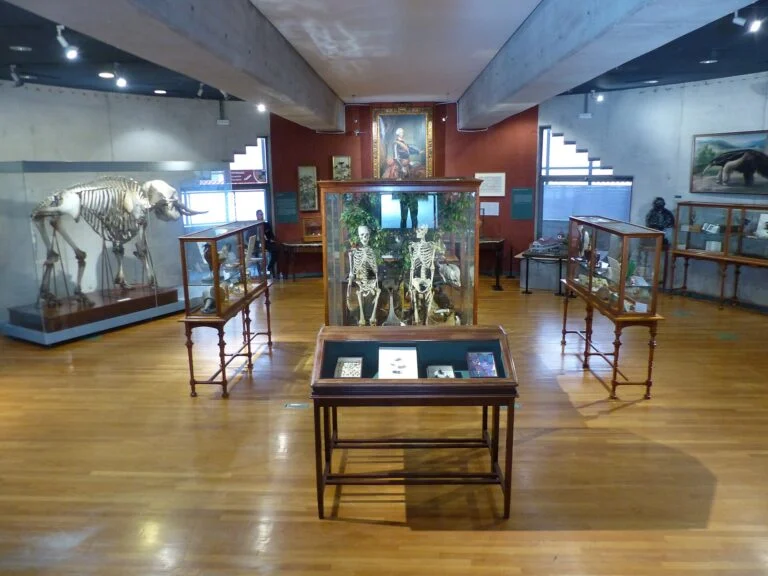
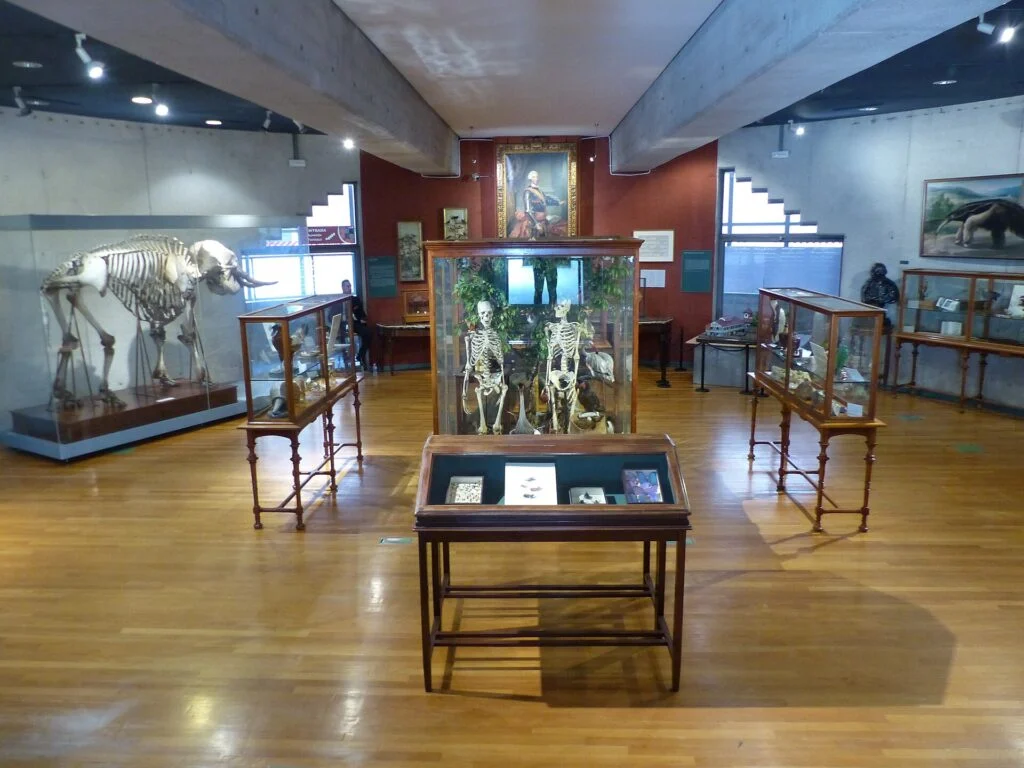
The zoological specimens are extensive. Taxidermy displays show a wide range of animal species, arranged to highlight patterns of biodiversity, anatomy, and adaptation. The museum includes both native species from Spain and examples from other continents, which helps convey global biological diversity.
Botanical collections are also notable, with preserved plants that illustrate ecological variety and scientific classification. These collections serve both historical and contemporary scientific interests, offering insights into Spain’s flora as well as international botanical studies.
The museum’s exhibitions frequently balance scientific detail with interpretive explanations aimed at a general audience. Labels and explanatory panels provide context, but some of the content may assume a basic familiarity with natural sciences. Visitors less confident in biological or geological terminology might benefit from prior reading or supplementary guides.
Building and Setting
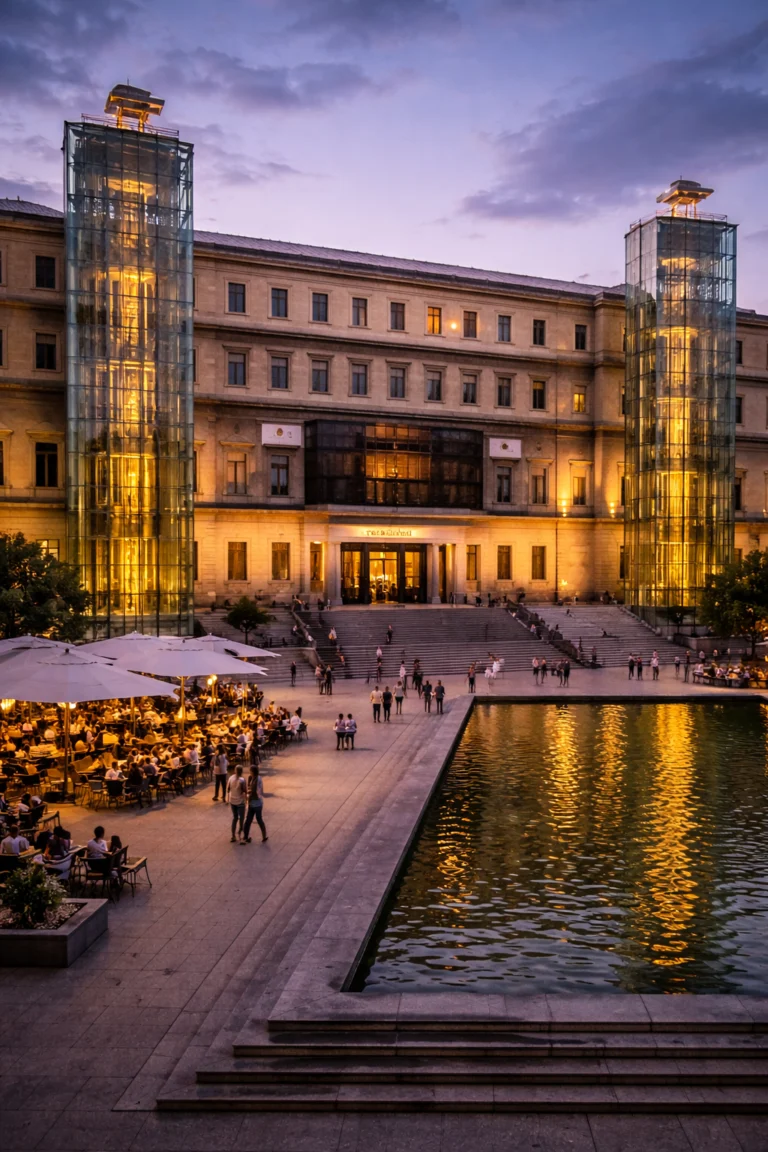
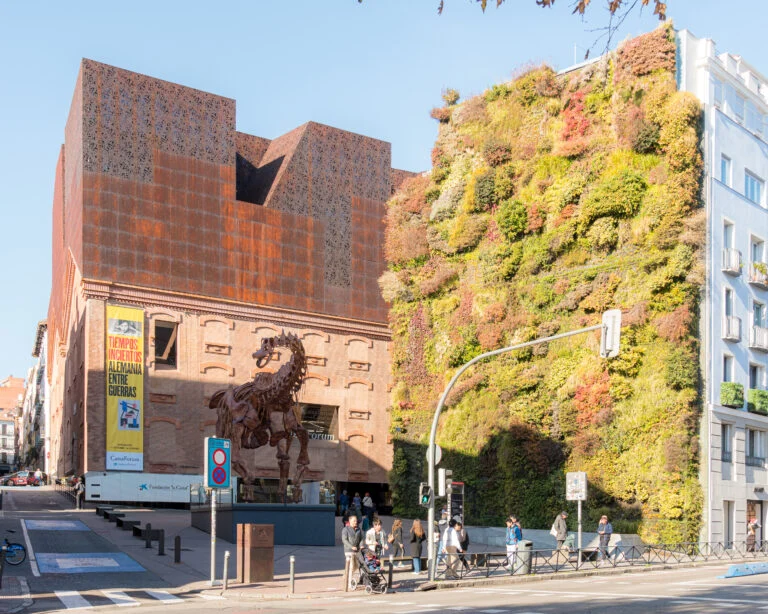
The museum occupies a large, purpose-built structure in Madrid, designed to accommodate both its scientific collections and visitor galleries. The building’s architecture combines classical and modern elements, reflecting the institution’s long-standing history alongside ongoing development.
Located within the city’s museum district, it is accessible by public transport and close enough to other cultural venues to allow for combined visits. The interior layout is organized by scientific discipline, allowing visitors to move from paleontology to zoology to mineralogy in a logical sequence. The exhibition spaces are spacious, though some areas with older exhibits might feel somewhat traditional in presentation style.
While the museum is primarily an indoor experience, it sits within an urban environment that can be explored before or after a visit. Visitors should plan accordingly to allow time for both the museum and surrounding cultural opportunities.
Practical Information
For those planning a visit to the Museo Nacional de Ciencias Naturales, it is advisable to consult the official website for the latest information on opening hours, admission policies, and any special exhibitions or events. Formal details such as guided tours, audio guides, accessibility provisions, and ticketing procedures should be verified in advance, as these can vary and may change without notice.
The museum is generally accessible via Madrid’s public transport system, although specifics about onsite parking or facilities for visitors with disabilities would best be checked directly with the institution. Visitors should be prepared for a scientific environment where photography policies, handling of objects, and visitor flow are managed to protect sensitive collections.
Allowing several hours can help make the most of the visit, given the size of the collections and depth of the displays. Visitors less familiar with natural science might prioritize certain sections or look for thematic temporary exhibitions that align with their interests.
Why Visit
The Museo Nacional de Ciencias Naturales occupies a distinct position within Madrid’s cultural landscape as a major center for natural history. It offers a detailed and traditionally curated view into the natural world, with a particular emphasis on the scientific heritage of Spain. The breadth of its collections makes it valuable for those curious about Earth’s biological and geological past.
Visitors inclined towards natural sciences will find ample material to satisfy a detailed interest in topics ranging from fossils to minerals and animal diversity. The museum also serves an educational purpose, making its collections accessible to students and families, though some exhibits may benefit from additional background knowledge for full appreciation.
While the museum does not emphasize interactive or highly contemporary exhibition technology, it presents comprehensive historical and scientific information in a clear and structured manner. Its strength lies in the authenticity of specimens and their role in ongoing research, making it credible for serious learners and general audiences alike.
For anyone interested in the diversity and complexity of life on Earth, as seen through a classical natural history lens, the Museo Nacional de Ciencias Naturales offers a distinguished experience. It may not rival larger institutions that emphasize spectacle or interactivity, but it remains a solid choice for visitors looking to engage with natural science through established collections.
Overall, the Museo Nacional de Ciencias Naturales encourages thoughtful reflection on natural history, with a deep reservoir of material that reveals the planet’s biological and geological stories from a Spanish and international perspective. Checking current visitor guidelines before arrival will help ensure a smooth and informative experience at this important institution.