Museo Naval de Madrid Review
Maritime Museums · Madrid, Spain. The Museo Naval de Madrid stands as a testament to Spain’s naval legacy, situated in the country’s capital where maritime history has played a crucial but sometimes understated role. Established in the late 19th…
Maritime Museums · Madrid, Spain. The Museo Naval de Madrid stands as a testament to Spain’s naval legacy, situated in the country’s capital where maritime history has played a crucial but sometimes understated role. Established in the late 19th…
Best forMaritime history, ship lovers, port culture
Review focusMaritime collections, ship history, and visitor planning
Historical Context
The Museo Naval de Madrid stands as a testament to Spain’s naval legacy, situated in the country’s capital where maritime history has played a crucial but sometimes understated role. Established in the late 19th century, the museum was founded with the aim of preserving and showcasing the artifacts of the Spanish Navy, a force that had, through centuries, influenced global exploration, colonial expansion, and naval warfare. Its collections stem from a period when Spain was both a dominant maritime power and later a nation grappling with the decline of its naval supremacy.
The museum’s origins are closely tied to the broader 19th-century trend in Europe of establishing national museums dedicated to particular military branches or technologies. For Spain, the naval tradition is pivotal due to its early colonial ventures into the Americas and the Pacific, as well as its participation in various naval conflicts. Over time, the institution has expanded its scope to include diplomatic missions, technological innovation in shipbuilding, and naval art, reflecting the multifaceted nature of Spain’s maritime heritage. The Museo Naval thus serves not only as a repository of historical artifacts but as a cultural symbol of Spain’s complex relationship with the sea—from imperial ambitions to modern maritime strategy.
What You See on Arrival
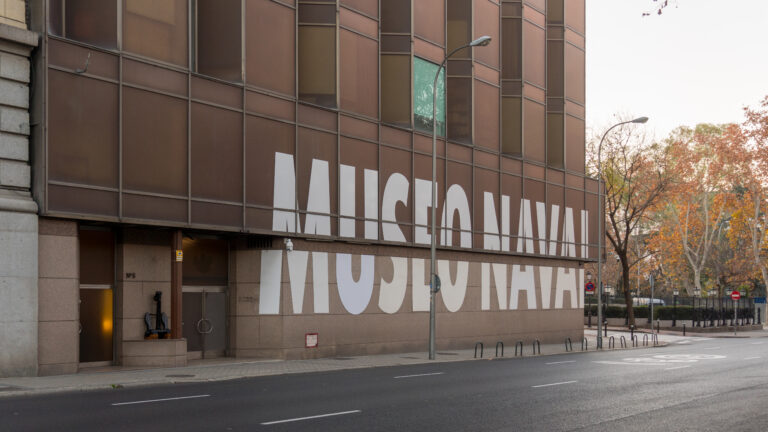
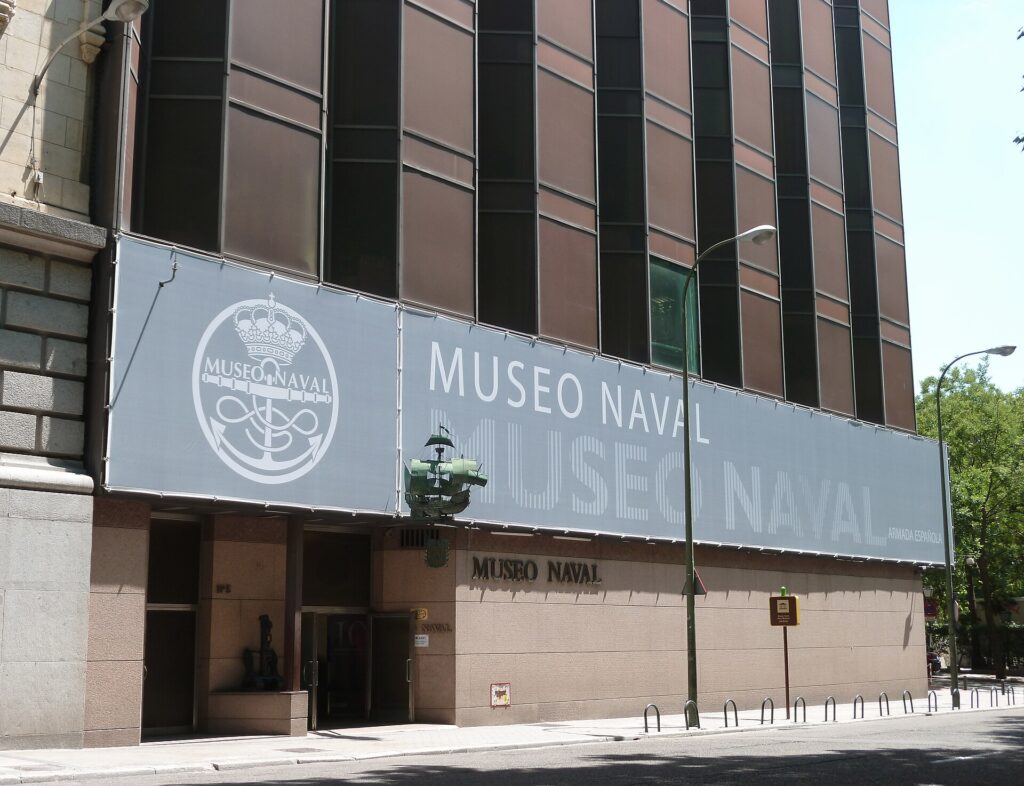
From its exterior and initial presentation, the Museo Naval de Madrid projects a sober but dignified image consistent with its military and historical focus. Housed in a building that aligns with Madrid’s architectural aesthetic, the façade communicates a sense of institutional gravitas rather than spectacle. Visitors approaching the museum can expect an entrance that signposts the museum’s dedication to naval history without overt fanfare. The immediate physical context situates the museum within the administrative heart of Madrid, a reminder that naval history here is intertwined with broader Spanish governance.
Upon entering, visitors are likely greeted by a spatial layout that emphasizes clarity and order. The entrance areas commonly serve to orient visitors with introductory materials and a visible pathway into the permanent collections. This initial framing helps to set expectations for the museum as a space of learning and reflection, where maritime artifacts are presented systematically rather than as loose curiosities. The institution’s identity as a naval museum is clear, with thematic references to navigational instruments, ship models, and historical uniforms often displayed upfront, signaling the breadth of the collections inside.
Highlights and Key Exhibitions
The core strength of the Museo Naval de Madrid lies in its extensive and well-curated collection of naval artifacts, which spans several centuries of Spanish maritime history. At the heart of the museum’s narrative are ship models, many of them large and meticulously detailed. These models are not merely decorative; they illustrate historic vessels, from galleons of the 16th and 17th centuries to later steam-powered warships that mark the transition to modern naval technology. These scale models help convey both the technical advancements and the aesthetic changes in ship design over time, which is crucial for understanding the evolution of naval warfare and exploration.
In addition to ship models, the museum houses a significant collection of nautical instruments that reflect the science and craft of navigation. Sextants, astrolabes, compasses, and early chronometers are displayed to demonstrate how mariners overcame challenges of orientation and timing on open seas. This aspect of the collection is particularly valuable for visitors interested in the intersection of technology and maritime history.
Another notable dimension of the Museo Naval’s collection is its archival materials and artwork. Naval paintings, many of which depict historic battles, famous voyages, and notable figures, provide a visual context to Spain’s naval endeavors. These works range from grand dramatic scenes to detailed portraits, enriching the narrative of Spain’s maritime past with artistic interpretation. The museum’s archives also contain documents, maps, and manuscripts that are invaluable for researchers and for those who wish to explore beyond the physical objects.
Uniforms and personal items belonging to sailors and officers offer a more human perspective on naval life. These displays provide insight into rank structures, fashion, and the daily realities aboard Spanish naval vessels. Collectively, these elements add depth to the museum’s storytelling by connecting technical and historical themes with lived experience.
The museum’s collection effectively covers Spain’s naval activity through numerous historical periods, including the Age of Exploration, the tumultuous years of colonial expansion, naval conflicts such as the Spanish-American War, and developments well into the 20th century. However, it is important to note that the presentation largely emphasizes the Spanish perspective and the navy’s institutional history, making it less focused on global comparative narratives or the experiences of other maritime cultures.
Visitor Experience
From an experiential standpoint, the Museo Naval de Madrid is well-suited to visitors who have a keen interest in maritime and military history. Those with a background or strong curiosity about naval technology, Spain’s imperial past, or maritime exploration will find a thorough and well-organized collection to engage with. The pacing of the exhibition can be moderately detailed, requiring visitors to allocate a good chunk of time to fully appreciate the technical descriptions, historical timelines, and artifact labels.
The interpretation tends to lean toward factual presentation rather than highly interactive or thematic storytelling. Visitors should expect clear, informative paneling with historical context, so the museum functions more as an educational resource than an entertainment venue. This makes it a particularly fitting destination for students, historians, and enthusiasts who appreciate a concentrated and quietly authoritative approach. Conversely, those looking for multimedia, interactive exhibits, or a more narrative-driven experience might find the museum’s style somewhat conventional.
Visitor flow is generally guided logically through chronological or thematic sections. This straightforward approach helps avoid confusion and supports a steady progression through Spain’s naval history. While the museum does not appear to specialize in large-scale interpretive installations, the coherence of the displays ensures that visitors can develop a consistent understanding of the subject matter without becoming overwhelmed.
One limitation is that the specialized nature of the collection might feel too technical or narrowly focused for a casual audience. The museum’s emphasis on naval technology, historic models, and military aspects leaves less space for social histories, including the broader maritime cultures or the impact of naval policy on everyday lives beyond the armed forces. Hence, families with young children or casual tourists may find the experience less immediately engaging without supplementary context.
Tickets, Access, and Planning
For anyone planning a visit, it is advisable to consult the museum’s official website ahead of time for the most current information on opening hours, admission fees, concessions, and any visitor services. Specific details such as guided tours, audio guides, or accessibility provisions can vary, and having up-to-date knowledge can enhance the visit.
The museum is located centrally in Madrid, making it accessible by public transport and within reach of other cultural institutions. However, parking and other logistical arrangements should be verified in advance. Given the nature of historical displays, visitors should also consider the pace at which they prefer to explore; the collection is dense enough to reward a focused visit rather than a quick stop.
Given the museum’s emphasis on historical and technical materials, those with visual impairments or other special needs are encouraged to inquire in advance about available supports, since the museum’s style of display often involves detailed texts and small showcases that may not be easily accessible to all.
Final Verdict
The Museo Naval de Madrid presents a well-founded and detailed representation of Spain’s naval heritage, organized with clarity and a focus on the historical and technical aspects of naval science and history. Its strengths lie in the depth of its collection, from finely made ship models and navigation instruments to archival artworks and uniforms that together paint a comprehensive picture of centuries of maritime activity.
While its sober and factual approach may lack more interactive or narrative elements seen in some modern museums, it offers an authoritative resource for visitors with a genuine interest in naval and military history. The museum effectively highlights the evolution of Spain’s naval fleet and its role in global maritime events while preserving a strong national perspective.
Limitations worth noting include a relative absence of broader social or comparative maritime histories and an environment that may feel too specialized for casual or family visitors. However, for researchers, history enthusiasts, and students of naval affairs, it provides a focused, well-curated, and substantial experience.
Ultimately, those who value historical rigor and thoughtful presentation of maritime artifacts will find the Museo Naval de Madrid a worthwhile addition to Madrid’s cultural landscape. Prospective visitors should plan their visit with practical considerations in mind and consult official sources to ensure the best experience.