Oplevelsescenter Maskinrummet
Maskinrummet in Skagen is one of Denmark’s most distinctive mechanical and maritime heritage museums. Located auktionsvej 2 near the harbor, the museum.
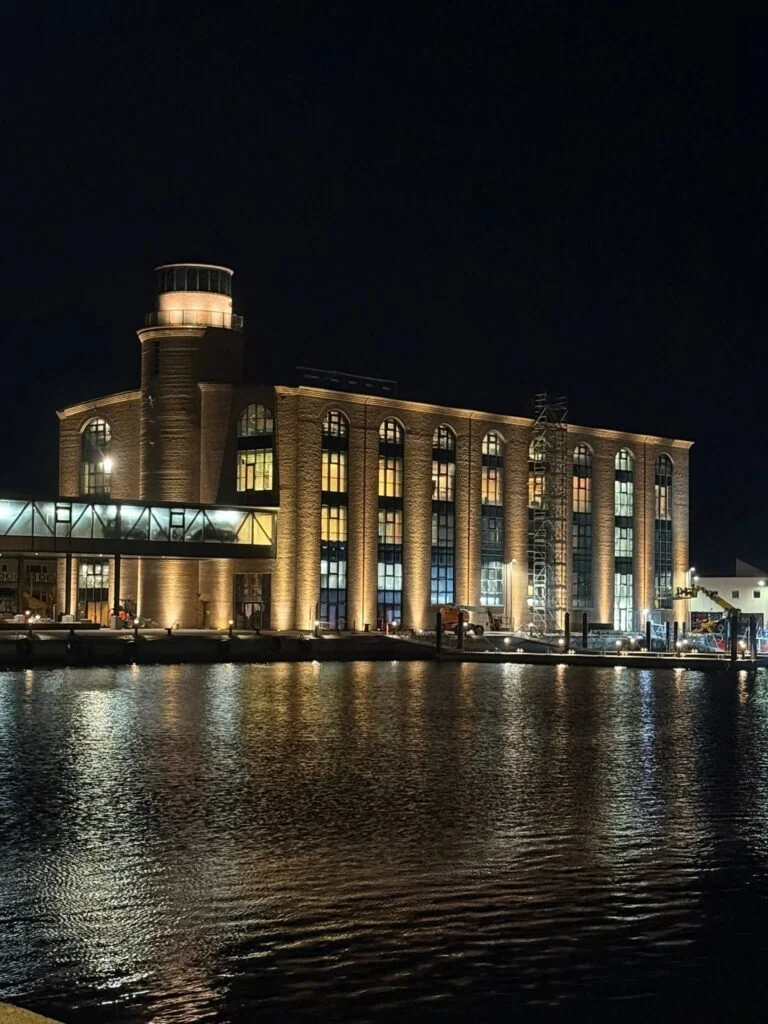
Best forMaritime history, ships, harbour heritage
Setting / nearbyNear habour - Near town center.
Overview
Maskinrummet in Skagen is one of Denmark’s most distinctive specialist museums and one of the strongest places in the country to experience mechanical, maritime, and industrial heritage in a direct and physical way. Located near the harbor in Skagen, the museum is built around a large private collection of restored engines, vehicles, motorcycles, machines, and maritime equipment that together tell a story about work, transport, fishing, and technical life in Denmark. What makes it stand out is not polish in the conventional museum sense, but force of presence. This is a museum where scale, machinery, sound associations, and atmosphere do much of the work. Visitors do not feel they are moving through a detached interpretation of industrial history. They feel close to the actual material culture of it.
The museum works best when understood as a place of mechanical experience rather than as a narrowly academic institution. That is not a criticism. On the contrary, it is part of its strength. Maskinrummet has a clear identity, and that identity comes from the seriousness of the collection itself. Large diesel engines, marine motors, classic vehicles, and practical machines are not treated here as decorative curiosities. They are presented as objects that once had weight, purpose, and economic meaning. For visitors interested in engines, transport, fishing culture, or working technology, this creates an unusually satisfying visit. For others, the museum can still be compelling because the objects are so visually and physically powerful.
One of the reasons Maskinrummet leaves such a strong impression is that it feels rooted in Skagen rather than transferable to just any town. The connection to the harbor and to maritime work gives the museum a natural setting. This is not a specialist collection placed in an arbitrary location. The relationship between the machines and the surrounding local history makes sense immediately. The museum therefore works not only as a display of engines and vehicles, but also as a museum of place. It tells something about labor, fishing, transport, and practical skill in a coastal Danish context.
At the same time, the museum avoids feeling narrow in the wrong way. Even though the subject matter is highly specific, the variety within the collection keeps the visit dynamic. Marine engines, stationary motors, motorcycles, tractors, and classic cars all appear within the broader story, and this range helps the museum appeal to more than one kind of visitor. Someone may come for maritime history and become absorbed by vehicle restoration, or arrive for classic machines and become more interested in how closely the collection is tied to Skagen’s fishing and harbor life. That breadth within a clear theme is one of the museum’s most effective qualities.
Collection Highlights
The strongest highlights are the large marine diesel engines and industrial machines that dominate the exhibition halls. These objects have an immediate impact that many museums of technology cannot quite match, partly because of their size and partly because they are displayed with a practical directness that suits them. The engines do not feel reduced to abstract examples of engineering history. They still seem close to the world of labor and use. That gives them a stronger presence than smaller or more polished technical displays often achieve.
The maritime material is especially important. Skagen’s identity has long been tied to the sea, and the museum’s engines and equipment help make that relationship concrete. Visitors get a sense not just of machines in isolation, but of the technological systems behind fishing, transport, and coastal industry. This grounding in working maritime history gives the museum some of its strongest cultural value. It becomes more than a parade of impressive machinery. It becomes a museum about the engines that helped sustain local and national life.
The stationary engines are another highlight. These often reward slower attention because they show how varied mechanical history can be beyond the largest and most dramatic objects. They help broaden the visit and prevent it from becoming too focused on spectacle alone. For visitors with an interest in engineering detail, these machines can be among the most satisfying parts of the museum because they reveal older systems of power, design, and workmanship at a more intimate scale.
The classic motorcycles, mopeds, tractors, and cars add a different rhythm to the visit. These sections often widen the museum’s appeal, especially for visitors who may not be equally drawn to heavy marine machinery. They also help connect the museum to everyday transport history rather than only industrial or harbor-based work. Seen alongside the engines, they make the collection feel less singular and more like a broad mechanical world. This is useful because it means the museum never becomes too repetitive. There is enough variation in scale, purpose, and form to sustain attention.
One of Maskinrummet’s strengths is that the museum does not rely on one iconic object. Instead, the power comes from accumulation. Room after room reinforces the seriousness of the collection and the practical worlds behind it. This allows the visit to build gradually. Individual visitors may find their own favorites, but the museum’s effect comes mainly from the density and conviction of the whole.
Building and Setting
The building and setting are central to the museum’s success. Maskinrummet is not trying to present mechanical history in a refined white-cube environment, and that is exactly right. The large exhibition halls give the collection the space it needs, and the industrial feel of the interiors supports the subject matter rather than competing with it. The museum feels physically suited to the objects it contains. Large engines need room, and the building gives them that room without trying to over-style the experience.
Its location near the harbor is one of the museum’s biggest advantages. Skagen’s maritime identity is visible outside the museum as well as inside it, and this creates a strong continuity between place and collection. Visitors do not have to imagine why such a museum belongs here. The answer is in the setting itself. The nearness of the harbor makes the maritime and mechanical themes feel grounded in lived history rather than imported for display.
Architecturally, the museum is more functional than monumental, but that works in its favor. The building does not distract from the collection. Instead, it creates an atmosphere of practical seriousness that fits a museum about engines, labor, and technical heritage. The halls feel spacious enough for the machines to retain their full presence, and the museum avoids the cramped effect that can weaken technical collections in smaller institutions.
The setting in Skagen also gives the visit another advantage: it can be combined naturally with the town’s harbor life, maritime atmosphere, and broader cultural identity. This matters because Maskinrummet does not feel isolated from its surroundings. It feels like part of a larger story about the place. That makes it more memorable than a similar collection in a less resonant location might be.
Practical Information
A visit to Maskinrummet works best when approached with enough time to move steadily through the halls rather than rushing. Even visitors who are not deeply specialised in machinery often find that the collection grows more interesting the longer they stay. The first impact usually comes from scale, but the museum becomes more rewarding when there is time to notice variation, restoration quality, and the relationship between the different types of machine on display.
A good visit often begins with the largest marine engines and then widens into the other sections. This gives the museum an immediate anchor and helps establish its strongest identity first. After that, the vehicle and smaller engine sections can be explored more leisurely. The collection is broad enough that different visitors will naturally gravitate toward different areas, so it is useful to allow for some flexibility rather than trying to force a rigid route.
The museum is especially well suited to visitors interested in transport history, engine restoration, maritime heritage, or practical industrial culture, but it can also work surprisingly well for families and general visitors because the objects are so visually strong. The visit tends to be most rewarding when visitors are willing to pause and look rather than treating the museum as a quick photo stop.
Why Visit
Maskinrummet is best for visitors who enjoy mechanical heritage, maritime history, classic vehicles, or museums built around real objects with physical presence. It is also one of the strongest specialist museums in Denmark for those interested in how technology, labor, and local life connect. Its greatest strength is that it never feels synthetic. The collection has conviction, and the setting gives it meaning.
What makes the museum worth prioritising is the way it turns machinery into cultural history without losing the machines themselves in too much abstraction. Visitors leave not only with an impression of engines and vehicles, but with a clearer sense of the working worlds they came from. That is difficult to achieve, and Maskinrummet does it unusually well. For anyone in Skagen who wants a museum experience with character, substance, and a very strong sense of place, Maskinrummet is one of the most rewarding visits in the town.