Anchers Hus
Anchers Hus in Skagen, Denmark, is one of the most revealing artist house museums in Scandinavia because it preserves not only the home of Anna.

Best forMasterpieces, architecture, cultural history
Setting / nearbyEurope
Overview
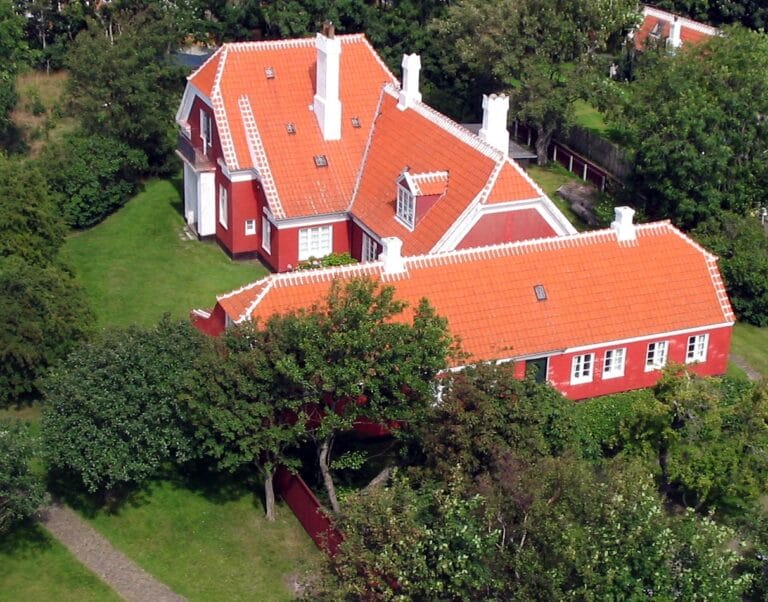
Anchers Hus in Skagen is one of Denmark’s most important artist home museums and one of the most intimate ways to experience the world of the Skagen painters. It was the home of Anna Ancher, Michael Ancher, and their daughter Helga, and today it preserves not only artworks but also the atmosphere of a lived artistic environment. That gives it a very different character from a conventional gallery. Instead of encountering paintings in neutral museum rooms, visitors step into the domestic setting where one of Denmark’s most significant artist families lived, worked, received guests, and helped shape the wider story of Skagen’s cultural life.
What makes Anchers Hus especially compelling is the balance between art history and personal presence. House museums succeed when they feel inhabited rather than staged, and this one has exactly that quality. The furniture, interiors, colors, objects, and arrangement of space all help create the sense that the family has only just stepped out. This makes the museum more than a tribute to famous names. It becomes a way of understanding how artistic life was woven into daily routines, family relationships, and the social world of Skagen.
The museum is also central to understanding Anna Ancher’s role in Danish art. Skagen is often told through the broader artist colony, but Anchers Hus brings the story back to the one household that was permanently rooted in the town. While many of the other artists came and went, Anna and Michael Ancher built a home and life there. That makes this museum unusually grounded. It is not just about a creative circle passing through a picturesque place. It is about a family whose home became one of the centers of that artistic environment.
For visitors, this gives the museum a special emotional force. It is not large in the way a national art museum is large, but it offers something those institutions often cannot: nearness. The works, rooms, and surroundings belong together, and that makes the visit memorable in a very particular way.
Collection Highlights
One of the greatest strengths of Anchers Hus is the preservation of the family’s original interiors. Official museum information emphasizes that the house still contains the family’s own furniture and private art collection, which includes the Anchers’ own works as well as pieces by artist friends. This is exactly what gives the museum its richness. The collection is not only a sequence of framed artworks, but a full environment in which art, furniture, and everyday life remain closely connected.
The paintings are naturally a major highlight. Anna and Michael Ancher were among the most important figures in the Skagen artists’ colony, and seeing their work within the family home gives it a different quality from seeing it in a larger museum. Here, the pictures feel tied to the people who made them and to the rooms they inhabited. This creates a more personal and immediate experience than a standard chronological display might offer.
Another important aspect of the collection is the presence of works and gifts from other artists. This broadens the museum beyond the story of a single household and helps show how deeply connected the Anchers were to the wider artistic circle in Skagen. The home was not simply private space. It was also a meeting point, a social setting, and part of a larger cultural network. These objects and artworks help visitors understand that wider world.
The house also preserves clues to the intellectual life of the family. In museums like this, the smaller details often matter as much as the headline works: the arrangement of a room, the character of a studio, the mix of domestic comfort and artistic ambition. Together, these details create a much fuller portrait of the family than paintings alone could provide.
Building and Setting
The house itself is one of the museum’s main attractions. Anna and Michael Ancher moved into the house on Markvej in 1884, and later an atelier extension was added in 1913, designed by Ulrik Plesner. That architectural development matters because it reflects how the family’s needs changed as artistic work became more central to the life of the house. The building therefore tells a story not only of residence, but of creative adaptation and growth.
Its setting in Skagen is equally important. Anchers Hus feels inseparable from the town, and that is one reason it differs from many other artist homes. Skagen was not just a picturesque backdrop. It was the environment that shaped the Anchers’ work and identity. The quality of light, the rhythms of the town, and the closeness of artistic and social life all form part of the museum’s meaning.
Architecturally, the museum is not grand in a monumental sense. Its strength lies instead in scale, warmth, and authenticity. That suits the subject perfectly. A house museum devoted to Anna and Michael Ancher should feel domestic, rooted, and personal, and this one does. The spaces invite close attention rather than awe, and that intimacy is one of the reasons the museum is so rewarding.
The surrounding garden and associated buildings also add to the visit. Official museum material notes Saxilds Gaard in the garden area, which today supports the visitor experience with changing activities and exhibitions. This expands the site slightly without weakening the sense that the house itself remains the heart of the museum.
Practical Information
Anchers Hus is part of the Skagens Museum group of sites and is best visited as part of a broader exploration of Skagen’s art history. It pairs especially well with Skagens Museum itself, since the two places complement one another. The larger museum provides the wider context and many of the best-known paintings, while Anchers Hus offers the domestic and personal dimension.
The museum is especially rewarding for visitors interested in artist homes, Danish painting, and the social history of the Skagen colony. It is also well suited to travelers who may prefer atmosphere and character over the scale of a large institution. Because the house is preserved as an environment rather than simply used as a display shell, it works best when visited slowly.
Opening arrangements can vary seasonally, so it is sensible to check the latest official information before going. That is particularly important in Skagen, where museum hours and linked sites can shift across the year.
Why Visit
Anchers Hus is worth visiting because it brings Danish art history down to a human scale. It allows visitors to move beyond the fame of the Skagen painters and into the rooms where part of that history was actually lived. That gives the museum unusual warmth and depth.
It is also one of the best places to understand Anna and Michael Ancher not only as artists, but as members of a family and hosts within an artistic community. The preserved interiors, artworks, and atmosphere create a powerful sense of continuity between life and work.
If you want a Skagen museum that feels personal, authentic, and deeply connected to the town’s artistic identity, Anchers Hus is one of the clearest choices. It is not only a museum of paintings, but a museum of presence, memory, and artistic life.