Skagens Museum
Skagens Museum in Skagen, Denmark, is the principal institution for understanding the Skagen painters and one of the most important art museums.
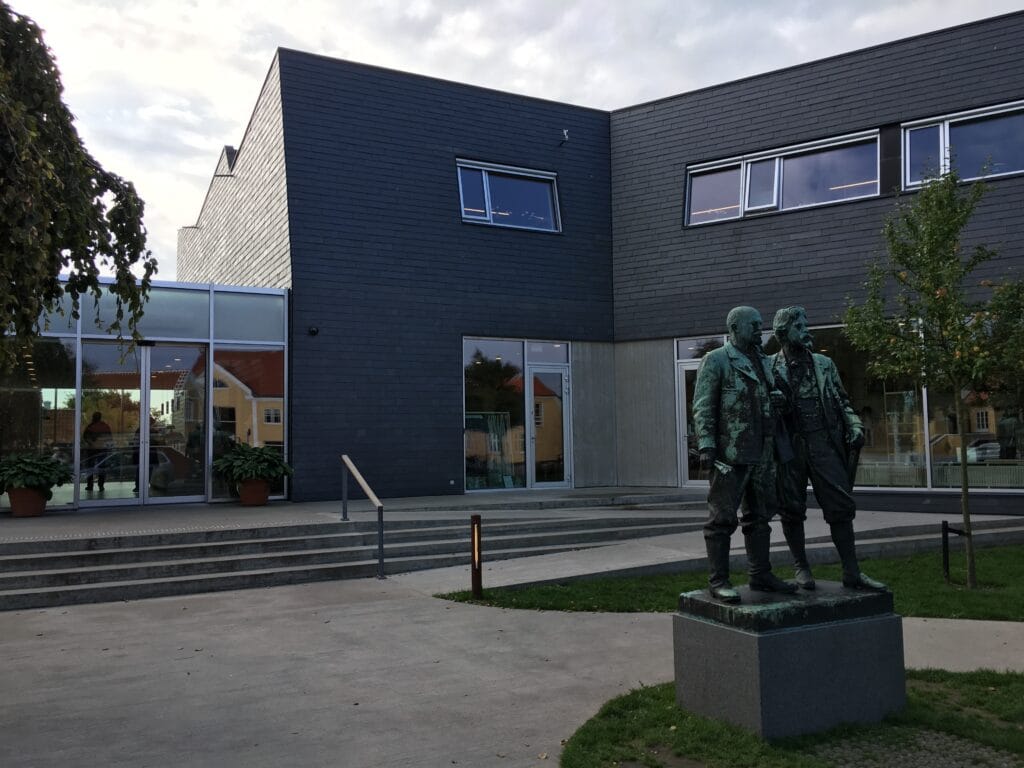
Best forMasterpieces, architecture, cultural history
Setting / nearbyEurope
Overview
Skagens Museum is one of Denmark’s most important art museums and the central institution for understanding the artists’ colony that made Skagen famous in the late nineteenth and early twentieth centuries. More than any other museum in the town, it brings together the paintings, personalities, and cultural atmosphere that shaped Skagen’s identity in the history of Scandinavian art. For visitors, it is the clearest place to understand why this remote fishing town became such a powerful artistic meeting point.
What makes the museum especially compelling is that the story of the Skagen painters is not only about individual talent. It is also about place, light, friendship, shared meals, summer gatherings, and a particular way of looking at daily life. The artists who came here were drawn by the special northern light, the sea, the dunes, and the fishing community, but they also created a social world of their own. Skagens Museum succeeds because it presents both the art and the human context behind it. This gives the visit warmth as well as historical importance.
The museum is also valuable because it shows that the Skagen painters were not a uniform group. They shared a place and a circle, but they did not all paint in the same way or pursue the same artistic concerns. Some were drawn to interiors, some to portraits, some to coastal scenes, and some to the life of the fishing community. The museum allows these differences to appear while still preserving the sense of a connected artistic environment. That balance is one of its greatest strengths.
For visitors to Skagen, the museum is often the essential stop. It provides the historical and artistic framework that helps make sense of the rest of the town, including Anchers Hus, Drachmanns Hus, and the landscapes that inspired so many paintings. Without Skagens Museum, Skagen might remain a beautiful place with a famous name. With it, the town becomes legible as one of the key artistic communities in Nordic art history.
Collection Highlights
The collection is built around the artists associated with Skagen, and this naturally includes some of the best-known names in Danish art. Anna Ancher, Michael Ancher, P.S. Krøyer, Marie Krøyer, Laurits Tuxen, Holger Drachmann, and others all contribute to the character of the museum. This concentration gives the institution unusual strength. Rather than offering only a handful of isolated works, it presents a rich and sustained view of the colony as a whole.
One of the most rewarding aspects of the collection is the range of subjects it includes. Visitors encounter not only celebrated beach scenes and sunlit summer images, but also domestic interiors, portraits, social gatherings, working lives, and views of the coastline in changing weather. That variety matters because it prevents the Skagen painters from becoming a cliché of bright seaside painting. The museum shows that their work was more complex, more intimate, and often more psychologically rich than first impressions might suggest.
Anna Ancher’s paintings are often among the most memorable works in the museum. Her treatment of interior light, quiet rooms, and everyday presence gives the collection an emotional depth that balances the more public and social images associated with other artists. Michael Ancher’s depictions of fishermen and local life add another dimension, grounding the colony’s artistic world in the realities of the town around it. Krøyer, meanwhile, often brings together elegance, sociability, and the distinctive atmosphere that has come to define Skagen in the public imagination.
Another strength of the museum is that it preserves the relationships between the artists. This matters because Skagen was not simply a place where separate painters happened to work. It was a shared environment in which artistic influence, friendship, admiration, and conversation all played important roles. The collection gains power from being seen together, because visitors begin to understand not only individual achievement but the life of a creative community.
Building and Setting
The setting of Skagens Museum contributes greatly to the visit. A museum devoted to an artists’ colony works best when it remains closely tied to the place that gave rise to the art, and this museum benefits from exactly that connection. It does not feel detached from Skagen. Instead, it feels like a natural continuation of the town’s artistic and cultural history.
Architecturally, the museum supports the collection by keeping the focus on the work itself. The galleries allow the paintings room to breathe, which is important in a collection so dependent on light, atmosphere, and subtle tonal relationships. Visitors need calm spaces in which to look properly, and the museum generally offers that. This is one reason the collection can feel so strong in person. The paintings are not competing with excessive architectural drama.
The museum’s location in Skagen also makes it especially meaningful. After seeing the galleries, visitors can step back into the town and recognize elements that continue to shape its atmosphere: the light, the coastal openness, the houses, and the closeness of sea and sky. This relationship between museum and place makes the visit unusually satisfying. The art does not remain sealed off indoors. It continues outside.
Practical Information
Skagens Museum is best visited with enough time to move slowly through the collection. This is not a museum that should be rushed. The works often reward second and third looks, especially where light, gesture, and relationships between figures matter. A calm visit makes it easier to understand both the individuality of each artist and the larger story of the colony.
It also works particularly well as part of a broader Skagen itinerary. Visitors who plan to see Anchers Hus or Drachmanns Hus will benefit from starting here, since the museum provides the wider artistic context. At the same time, it is strong enough to stand fully on its own for travelers who want one major museum visit in the town.
Because exhibitions, opening hours, and linked sites can vary through the year, it is worth checking current visitor information before going. But in general terms, Skagens Museum is the place in town where visitors should allow real time rather than treating it as a quick stop.
Why Visit
Skagens Museum is worth visiting because it offers the strongest and fullest introduction to the artists who made Skagen one of the most important places in Danish art. It combines collection strength, historical depth, and a direct connection to place in a way that very few regional art museums can match.
It is also a museum that makes artistic community visible. Visitors do not only see individual paintings. They see a world of friendship, influence, shared setting, and changing artistic response to light and life in Skagen. That gives the collection unusual coherence and emotional richness.
If you want one museum in Skagen that explains why the town matters in art history, this is the clearest choice. It is essential, distinctive, and one of the most rewarding art museums in Denmark.