Skagens Bamsemuseum
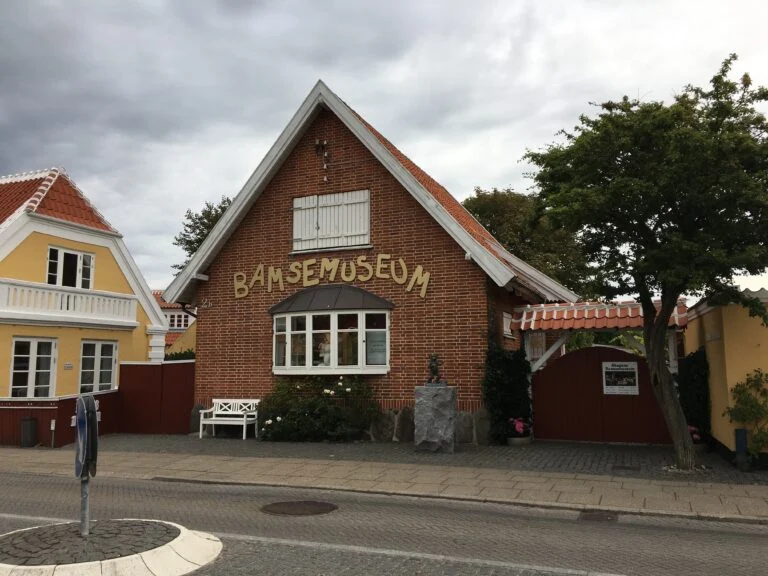
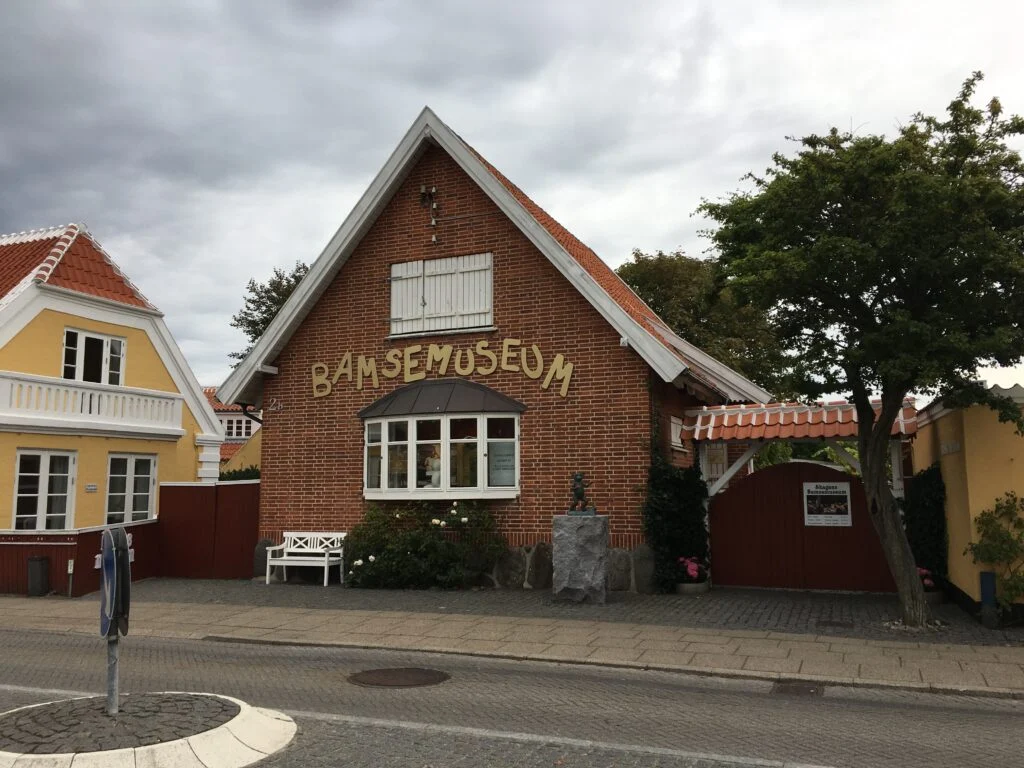
Skagens Bamsemuseum in Skagen, Denmark, is a small specialty museum devoted to teddy bears and related toy displays. Its scale and subject.
Best forMasterpieces, architecture, cultural history
Setting / nearbyEurope
Overview
Skagens Bamsemuseum is one of the more unusual small museums in Denmark and one of Skagen’s more distinctive family-friendly attractions. Rather than focusing on art, archaeology, or local industry, it is built around the world of teddy bears and the imaginative stories that can be created around them. That makes it a museum with a very different atmosphere from many others in the region. It is not monumental, and it does not try to be. Its appeal lies in charm, creativity, and the way it turns a familiar childhood object into the center of a full museum experience.
What gives the museum its identity is the combination of nostalgia and playful display. A teddy bear museum works best when it understands that visitors are not only looking at toys, but at memory, storytelling, and a form of cultural affection that reaches across generations. Skagens Bamsemuseum succeeds because it presents its subject in a way that feels warm rather than ironic. The result is a place that can appeal to children, parents, grandparents, and visitors who are simply curious about one of the more unusual museums in Skagen.
The museum also stands out because it feels personal in scale. Large national museums often impress through size and prestige, but smaller specialist museums can offer something different: intimacy, individuality, and a clearer sense of the people behind the collection. Skagens Bamsemuseum belongs to that category. It feels less like a grand institution and more like a carefully built world with its own character.
For visitors to Skagen, this makes the museum an interesting contrast to the town’s better-known attractions. Skagen is strongly associated with art, coastal landscapes, and the painters who made the town famous, so a teddy bear museum introduces a lighter and more whimsical note into the cultural mix. That difference is part of the attraction. It offers something more playful while still working as a genuine museum experience.
Collection Highlights
The collection is centered on teddy bears of many kinds, and that variety is one of the museum’s main strengths. A museum like this depends less on one single masterpiece than on the cumulative charm of many displays. Some bears carry a historical background, while others are placed in small environments or scenes that give them personality and narrative life. This makes the museum feel less like a straightforward toy display and more like a sequence of miniature worlds.
One of the most appealing aspects of the museum is the way the bears are staged. Rather than being shown only as isolated objects, they are often presented in settings that suggest stories, occupations, daily routines, or recognizable places. This curatorial approach matters because it turns the visit into something more engaging than a simple display of collected items. Visitors are invited to look closely, notice details, and enjoy the imagination built into each scene.
The museum also benefits from the emotional range associated with teddy bears themselves. For many visitors, they are objects linked to childhood, comfort, and memory. That gives the displays a quality that is different from other forms of collecting. Even when the museum is playful, it also has a quiet nostalgic side. Older visitors may be reminded of toys from earlier decades, while younger visitors are more likely to respond to the visual storytelling and friendly atmosphere.
Another strength is that the museum does not seem to rely on a single tone. It can be sweet and whimsical, but it also draws interest from the historical and collecting side of teddy bear culture. That balance helps broaden its audience. Visitors do not need to be dedicated collectors to enjoy it, but those who are interested in toy history, display culture, or highly specialized museums are also likely to find it memorable.
Because of its small-scale subject, the museum’s success lies in detail. This is the kind of place where visitors often remember not one grand object but a whole series of small impressions: a bear in a carefully built scene, a humorous arrangement, or a display that unexpectedly feels both funny and affectionate. That kind of memory is often exactly what gives small museums their lasting appeal.
Building and Setting
The museum’s setting in Skagen contributes a great deal to its charm. Specialist museums often depend heavily on atmosphere, and Skagens Bamsemuseum benefits from being associated with a more intimate and personal environment rather than a monumental public building. That suits the subject well. A teddy bear museum should feel welcoming and approachable, and a smaller-scale setting supports that naturally.
The house-and-garden character linked to the museum adds to this impression. Instead of feeling like a large formal institution, the museum comes across as a place of discovery, with a more domestic and imaginative tone. This matters because it helps the subject feel at home. Teddy bears are objects closely tied to childhood rooms, family spaces, and private memory, so a museum that preserves some sense of intimacy has a real advantage.
Its location in Skagen also strengthens the visit. The town already attracts many visitors for its art museums, light, seafront atmosphere, and summer character. Against that backdrop, Skagens Bamsemuseum offers something lighter and more eccentric. It adds variety to the local museum scene and gives families or curious visitors another kind of stop between larger and more established attractions.
Architecturally, this is not a museum that needs grandeur. Its strength lies in mood, scale, and presentation. For a subject built around softness, storytelling, and detail, a smaller and more personal setting is often much more effective than a dramatic building would be. The museum works because its environment supports the collection rather than overpowering it.
Practical Information
Skagens Bamsemuseum is best approached as a smaller museum that rewards slow looking rather than rushing. The displays are likely to be most enjoyable when visitors take the time to notice the details in the scenes and the different personalities created through arrangement and setting. Although it may not require as much time as a large art museum, it benefits from a calm visit rather than a quick pass-through.
It is especially well suited to families, but that does not mean it is only for children. The museum also works for adults who appreciate unusual collections, nostalgic subjects, or small museums with a clear individual character. That wider appeal is important. The best specialist museums reach beyond their most obvious audience, and this one seems to do that through atmosphere as much as through the collection itself.
Because the museum appears to host activities and seasonal events, it is sensible to check official visitor information before going. A smaller museum can change hours, programming, and event schedules more frequently than major national institutions, so confirming the latest details is always worthwhile before planning a visit.
In the context of Skagen, the museum is probably best seen as part of a mixed day rather than the sole focus of a visit to the town. It works especially well as a contrast to Skagen’s larger cultural attractions, offering something lighter, more playful, and more intimate. That contrast is one of its strongest practical advantages.
Why Visit
Skagens Bamsemuseum is worth visiting because it offers something genuinely different. In a museum landscape often dominated by art, war, archaeology, and natural history, a teddy bear museum might sound minor at first, but places like this can leave a strong impression precisely because they are so specific. They create a complete small world around a single familiar object and show how much charm, memory, and imagination that object can hold.
It is also worth visiting because it adds variety to Skagen’s cultural life. The town is already rich in museums and visitor attractions, but this one occupies a distinct niche. It offers warmth and whimsy rather than grandeur, and that makes it valuable in its own way. Not every memorable museum experience has to be solemn or monumental.
For families, the appeal is obvious. For adults, the museum may be rewarding for more unexpected reasons: nostalgia, curiosity, or appreciation for small museums with strong personality. That combination gives it broader interest than its theme might suggest at first glance.
If you want a Skagen museum that feels personal, imaginative, and different from the town’s larger art-focused institutions, Skagens Bamsemuseum is a worthwhile stop. It is charming, distinctive, and a good reminder that museums can be playful as well as serious.