The Tretyakov Gallery
Overview
The Tretyakov Gallery is one of the most important art museums in Eastern Europe and the clearest place to understand the development of Russian art through a sustained, coherent national collection. For visitors who want more than isolated masterpieces or a handful of famous names, it offers something deeper: a narrative. That is one of the museum’s greatest strengths. Rather than presenting Russian art as a side branch of broader European movements, the Tretyakov Gallery allows it to appear on its own terms, with its own internal logic, historical tensions, spiritual traditions, and visual language.
What makes the Tretyakov Gallery especially rewarding is that it gives visitors a feeling of continuity. The collection helps even non-experts feel oriented because the museum’s structure makes the story of Russian art legible over time. You can move from sacred imagery and icon traditions toward portraiture, realism, historical painting, social observation, landscape, and later artistic transformation, all while sensing that these changes belong to one larger cultural history. This is not always easy to achieve in a national museum, but the Tretyakov does it extremely well.
The museum is particularly valuable because Russian art is often less familiar internationally than the Western European canon. Many visitors arrive knowing only a few names or broad stereotypes. The Tretyakov Gallery helps correct that by showing how rich, varied, and historically charged the tradition really is. It reveals that Russian art cannot be reduced to one mood or one school. It includes spirituality, imperial ambition, literary realism, national self-questioning, political memory, and intense attention to landscape and everyday life. This range is one of the reasons the museum feels so substantial.
Another important strength is that the Tretyakov does not depend only on spectacle. Some museums impress through sheer scale or architectural drama, but this museum’s power often lies in the accumulation of strong works and the clarity of their arrangement. The visit grows richer as you move through it. A single room may be memorable, but the larger value comes from the sense that Russian art is unfolding in front of you as a living tradition rather than as a disconnected list of famous objects.
Collection Highlights
One of the most important starting points in the Tretyakov Gallery is the icon collection. These rooms are essential because they establish the spiritual and visual foundations of Russian art. For many first-time visitors, icons may initially seem distant or highly specialized, but the museum makes clear why they matter. They are not simply devotional objects of historical interest. They are central to the visual language from which later Russian painting emerged. Their stillness, symbolism, and spiritual force create a very different kind of museum experience from later secular painting, and that contrast is one of the reasons the collection feels so rich.
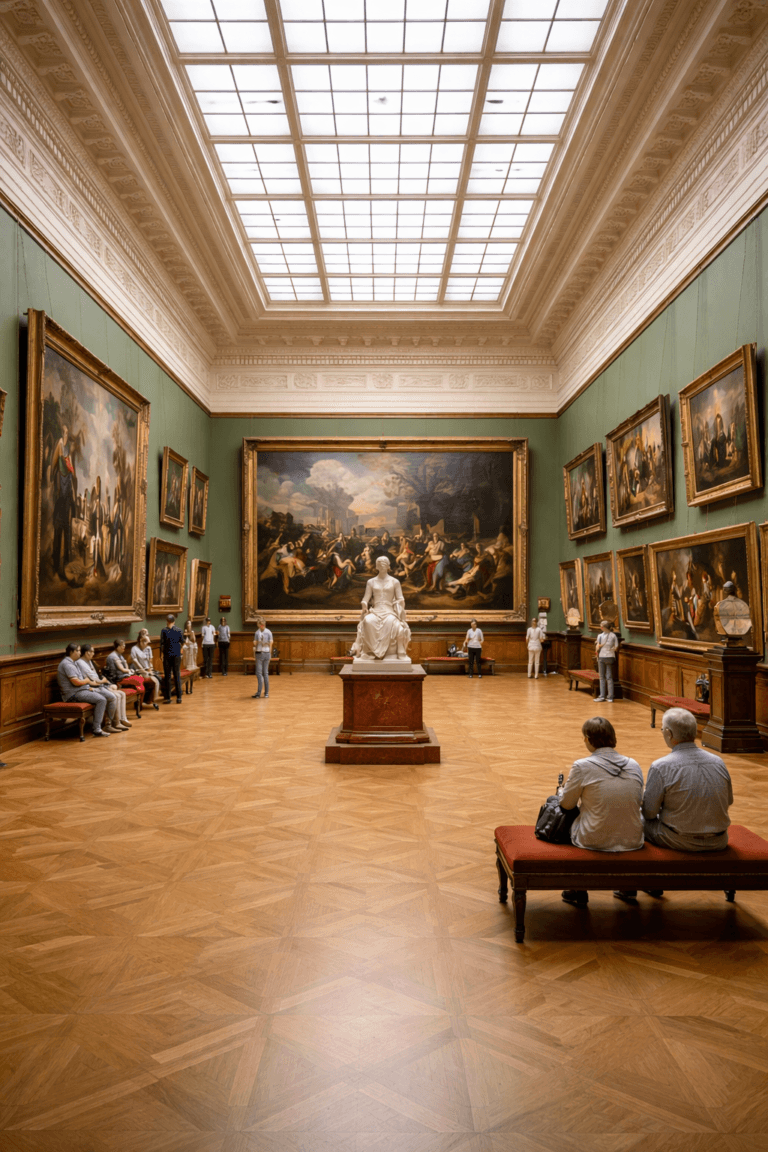
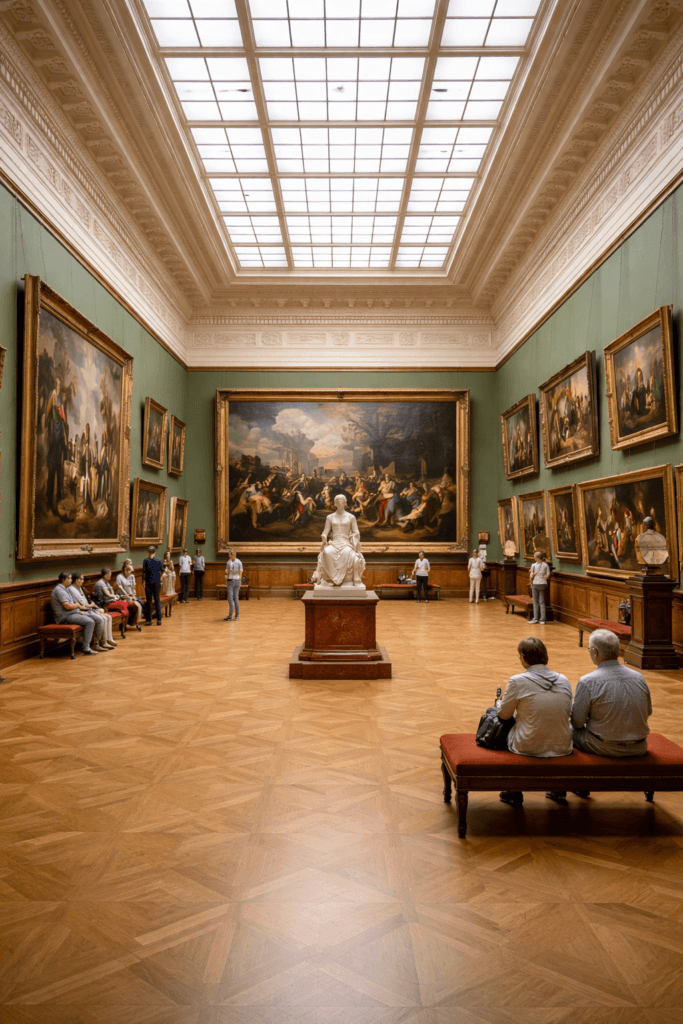
The nineteenth-century galleries are among the museum’s strongest and most accessible sections. Here the visitor begins to see Russian art open out into portraiture, historical painting, and realism. These rooms often provide the emotional core of the museum because they bring together artistic power with broader cultural themes: class, nation, suffering, morality, and social observation. The works frequently feel literary in spirit, which suits the larger Russian cultural tradition. Even visitors without deep background knowledge often sense that these paintings are engaged with questions larger than style alone.
The Peredvizhniki, or Wanderers, are especially important in shaping the museum’s identity. Their works help explain how Russian art turned toward real life, regional experience, and social seriousness. This is one of the places where the Tretyakov becomes more than a national museum in a narrow sense. It becomes a museum of conscience, observation, and argument. These paintings are often compelling not because they are decorative, but because they look directly at the tensions of Russian life.
Landscape painting is another major strength. Russian landscape in the Tretyakov Gallery is not only about scenery. It often carries mood, spirituality, memory, and national feeling. These galleries can be some of the most rewarding in the museum because they show how land and atmosphere became central to visual identity. Some visitors arrive expecting historical painting to dominate their memory, but leave thinking just as much about forests, rivers, fields, or winter scenes. That is part of the museum’s quiet power.
Portraits are also crucial, especially because they reveal how Russian society represented authority, intellect, character, and individuality over time. They help widen the museum’s story beyond grand history and beyond landscape, giving the visitor more direct encounters with the people who shaped Russian cultural life.
Building and Setting
The Tretyakov Gallery’s building contributes to the sense that this is a national collection with its own identity rather than a branch of a larger international museum culture. The museum feels rooted in place and purpose. It does not need extravagant architectural drama to establish its significance. Instead, it relies on clarity, dignity, and the accumulated authority of the collection inside.
What suits the museum especially well is that the building allows the collection to unfold in a reasonably legible progression. This helps visitors who may not already know Russian art history. In a museum like this, orientation matters. The Tretyakov’s strength is not just in the works it holds, but in the way it lets visitors feel the movement from one artistic world to another without losing the larger thread.
The atmosphere inside is also important. The museum often feels serious but not oppressive, and substantial without becoming chaotic. That balance matters because the collection can be emotionally and intellectually dense. A calmer setting helps the visitor stay attentive to the paintings rather than becoming overwhelmed too early.
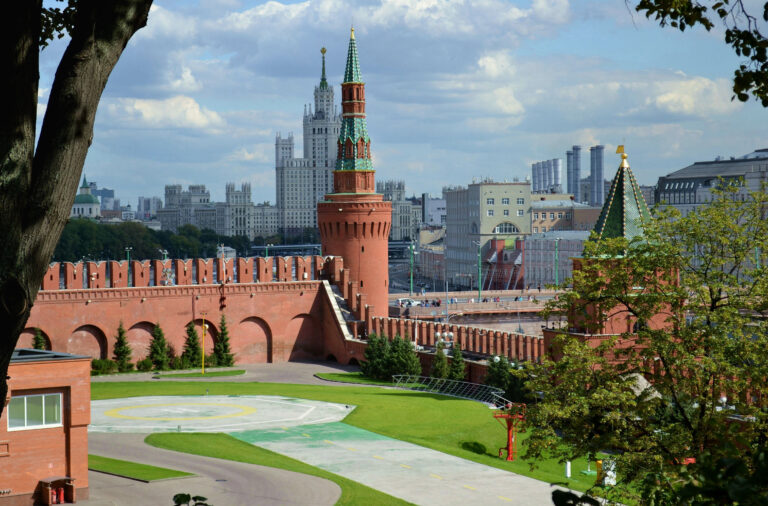
Its location in Moscow reinforces the museum’s role as a major institution of national cultural memory. The Tretyakov does not feel detached from Russian history. It feels embedded in it, and that helps explain why the visit has a different tone from museums that present national art from a more neutral or internationalized distance.
Practical Information
The Tretyakov Gallery is best visited as a narrative rather than as a simple hunt for highlights. A very good approach is to begin with the icons and early Russian material, then move steadily into the nineteenth-century sections where the museum’s broader emotional and artistic power becomes more obvious. This creates a stronger experience than jumping immediately only to the best-known later rooms.
The museum rewards slower looking. Russian painting here often depends on mood, context, and gradual accumulation rather than instant visual shock. That means the visit improves when you allow yourself to linger in a few rooms rather than trying to cover everything too quickly. The collection is deep enough that even a selective route can feel major.
Breaks are useful, especially because the museum’s seriousness can be more demanding than visitors expect. This is not a shallow “greatest hits” institution. Its value lies in how one room builds on another. Taking time to reset helps the collection remain vivid instead of blurring together.
Why Visit
The Tretyakov Gallery is best for Russian art lovers, first-time visitors to Moscow who want one museum that offers real historical depth, and anyone interested in a museum where national art is presented as a full cultural tradition rather than as a minor supplement to Western Europe. Its greatest strength is that it gives Russian art shape, continuity, and meaning.
What makes it worth prioritising is that it offers a clear narrative without becoming simplistic. The museum shows Russian art as spiritual, social, literary, historical, and deeply tied to landscape and national identity. That complexity is what gives the visit its force.
For many visitors, the Tretyakov becomes memorable because it provides something rare: not just great works, but a real education in how a national art tradition sees itself. It is one of the strongest museum experiences in Moscow and one of the essential art museums for anyone who wants to understand Russian culture through painting.