Pushkin State Museum of Fine Arts
Art Museums · Moscow, Russia. The Pushkin State Museum of Fine Arts in Moscow is one of Russia’s principal fine art museums, primarily dedicated to European art and antiquities. Founded in the early 20th century, the museum was originally…
Best forArt lovers, visual culture, architecture
Setting / nearbyMoscow, Russia
Overview
The Pushkin State Museum of Fine Arts in Moscow is one of Russia’s principal fine art museums, primarily dedicated to European art and antiquities. Founded in the early 20th century, the museum was originally conceived as a museum of western art, aiming to bring artistic achievements from ancient civilizations through to the modern European tradition to a Russian audience. Today, it remains a key institution for the study and appreciation of European cultural heritage, especially for those interested in archaeology, classical antiquity, and major movements in European painting and sculpture.
The museum’s collections cover a broad chronological span, with particular strengths in ancient Egyptian, Greek, Roman, and Near Eastern artifacts, as well as Renaissance and impressionist paintings. It offers a rich visual contrast to Moscow’s more nationally focused museums by focusing on foreign art histories. Over the years, the Pushkin Museum has also been active in acquiring notable artworks and supporting art research, and it plays an important role in cultural diplomacy by hosting temporary exhibitions of foreign works.
Collection Highlights
The museum’s collection excels in several main art historical areas. Among its ancient art holdings, the Egyptian collection deserves special mention. It includes around 18,000 objects, such as funerary items, sculptures, and everyday artifacts, representing various periods of ancient Egyptian history. These objects provide insight into ancient beliefs, artistic techniques, and everyday life, making this section particularly detailed and valuable.
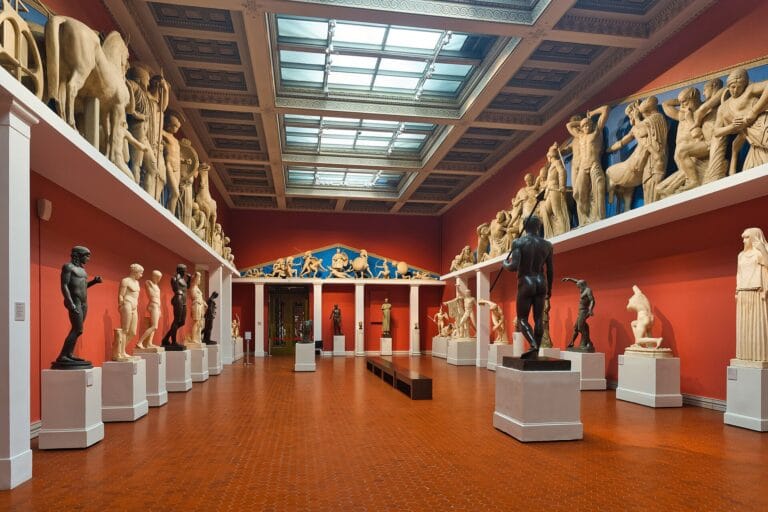
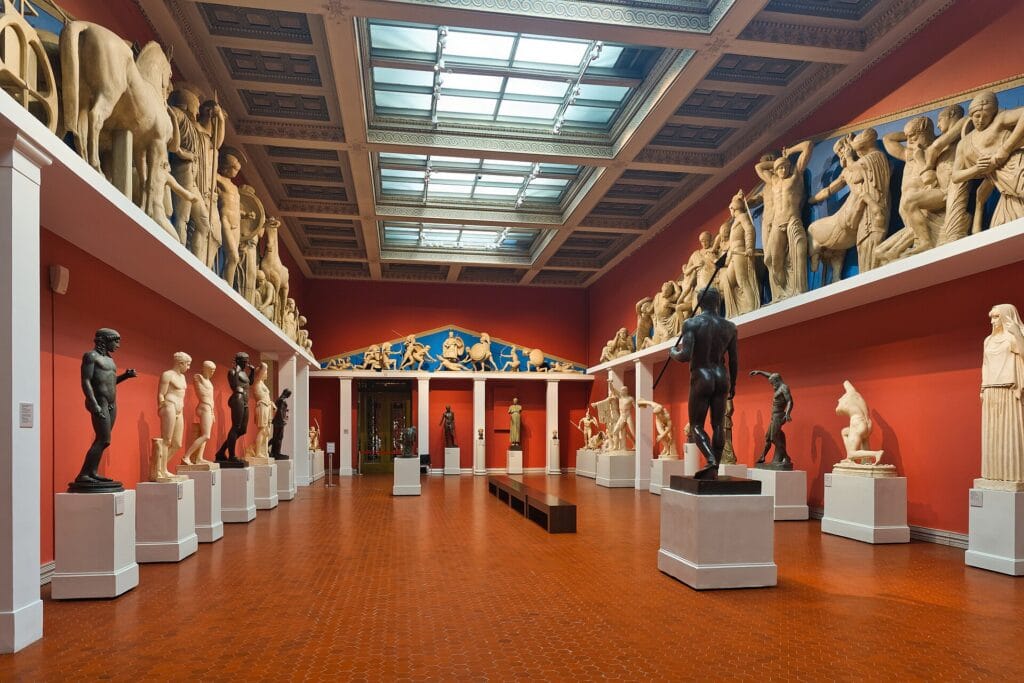
Another focal point is the extensive assemblage of classical antiquities. The Greek and Roman collections feature sculptures, ceramics, and mosaics, some of which are highly significant for the study of classical art. Visitors can see classical busts, statues, and finely decorated ceramics that illustrate the cultural development of the Mediterranean world.
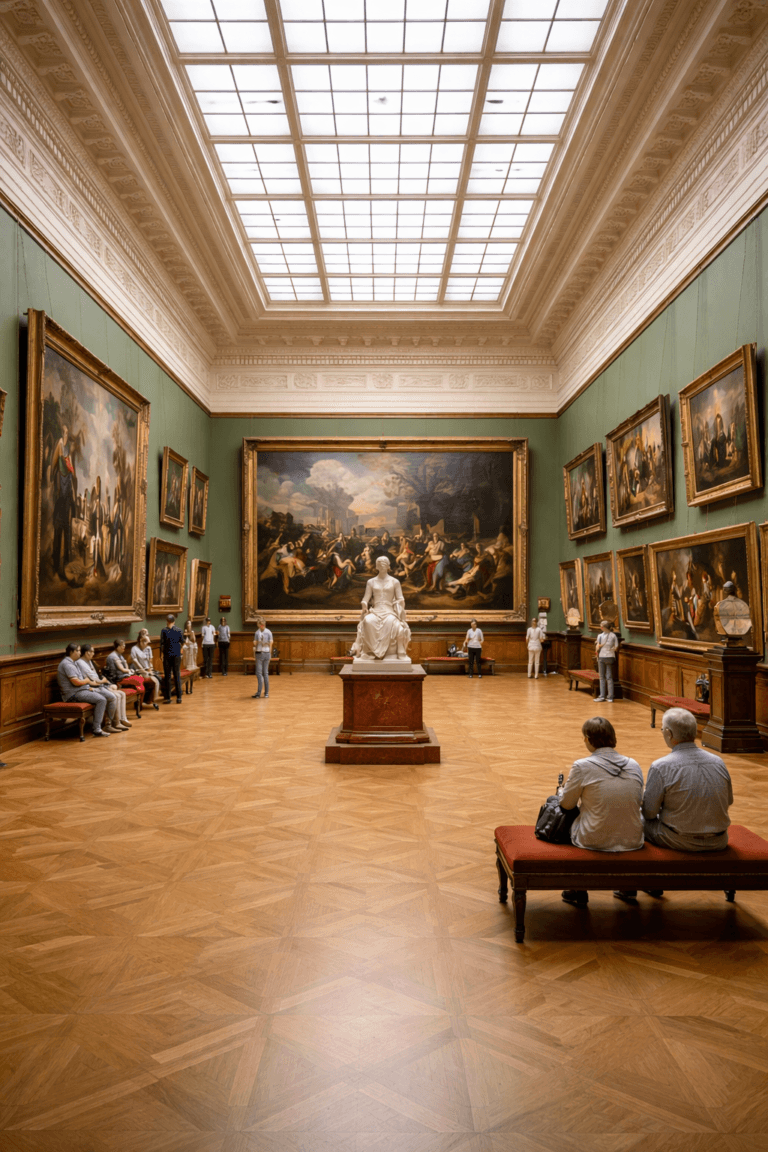
European painting and sculpture are also strongly represented. The museum includes works by well-known artists from the Renaissance through the 19th century, illustrating key stylistic movements such as Baroque, Rococo, and Romanticism. Though the collection is more specialized compared to some other European art museums, it holds important pieces by artists such as El Greco, Rubens, and Rembrandt, among others. Impressionist and post-impressionist works further enrich the museum’s scope, with notable paintings lending depth to its 19th-century holdings.
Besides fine art, the museum contains architectural fragments and decorative arts from various periods, which helps give a more comprehensive view of historical aesthetics. Temporary exhibitions often complement the permanent collection with additional loans or thematic presentations, though specifics vary.
Building and Setting
Situated in central Moscow, the Pushkin State Museum of Fine Arts occupies a large building designed in a neoclassical style, which aligns suitably with its collections of classical and European art. The museum structure includes multiple galleries, spacious exhibition halls, and some courtyard spaces. Its layout generally supports a chronological and thematic visit, allowing visitors to move from the ancient world to more recent centuries with relative ease.
The museum’s location makes it accessible to those visiting Moscow’s main cultural corridors, though the immediate surroundings are urban and busy. The area does not offer expansive green spaces as part of the museum grounds, so visitors should plan accordingly if they prefer extended outdoor breaks. The building’s architectural form, while dignified and impressive, reflects its historical era more than a recent modern design.
Practical Information
Since operational details can vary, prospective visitors should consult the official Pushkin Museum website before planning a trip. This will ensure they have the latest information regarding opening hours, ticket prices, special exhibitions, and any temporary closures or restrictions.
The museum’s admission policies and visitor provisions may also change, so checking for information on guided tours, audio guides, and accessibility accommodations is advisable. While many large museums offer such services, availability can depend on current public health guidance or staffing.
Because the Pushkin Museum is popular among both tourists and locals, visiting during weekdays or outside peak hours may offer a more comfortable experience. The museum’s signage and exhibit labels are generally clear, but non-Russian speakers should verify whether multilingual support is current.
Plan to set aside enough time to explore both the permanent collection and any temporary exhibitions, as well as possible special events. Although the museum does not focus on a narrow specialty, managing the scope of its collection might be challenging in a single visit for those with limited time.
Why Visit
The Pushkin State Museum of Fine Arts occupies a distinct place in Moscow’s cultural scene for those interested in European and ancient art that lies somewhat outside Russian national artistic traditions. It offers a broad, if uneven, survey of major developments in Western art from ancient times through to the early modern era.
Visitors looking to study ancient civilizations will find considerable depth in the museum’s Egyptian and classical holdings, which are among the largest in Russia. At the same time, the European painting collection complements the national museums in Moscow by highlighting foreign masters whose works may not be available nearby elsewhere.
This museum is suited to visitors with an interest in art history, archaeology, or classical antiquities, as well as students and researchers seeking access to a substantial and well-documented collection. It provides quiet galleries where artworks and artifacts can be studied without significant crowds, though busier periods are possible.
While it does not have the scale or the contemporary emphasis of some other major art museums in Russia or Western Europe, the Pushkin Museum offers a thoughtfully assembled experience combining art, history, and archaeology. It is a place for those wanting to understand more about Europe’s artistic and cultural traditions through a Russian institutional lens.
In summary, the Pushkin State Museum of Fine Arts is a serious and informative destination for those prepared to invest time in exploring diverse and historically significant collections related to European and ancient art civilizations. Visitors should allow for careful planning and a moderate pace to fully appreciate its breadth, and look to the official website for the latest visitor information to ensure a smooth visit.