Museum of the Republic of North Macedonia Review
Skopje, North Macedonia. The Museum of the Republic of North Macedonia, situated in the capital city of Skopje, stands as a principal institution dedicated to preserving and presenting the country’s historical, cultural, and archaeological heritage. Founded during…
Skopje, North Macedonia. The Museum of the Republic of North Macedonia, situated in the capital city of Skopje, stands as a principal institution dedicated to preserving and presenting the country’s historical, cultural, and archaeological heritage. Founded during…
Best forMuseum lovers, culture travelers, first-time visitors
Review focusCollections, visitor experience, and practical planning
Historical Context
The Museum of the Republic of North Macedonia, situated in the capital city of Skopje, stands as a principal institution dedicated to preserving and presenting the country’s historical, cultural, and archaeological heritage. Founded during the latter half of the 20th century, the museum reflects the complex history of the region, which has witnessed a variety of cultural and political transformations over millennia. North Macedonia’s past is marked by the overlapping influences of ancient civilizations, Byzantine and Ottoman rule, Yugoslav federation membership, and its post-independence national development since 1991.
This museum serves as a key repository for artifacts that chronicle not only the ancient and medieval periods—covering archaeological finds from prehistoric settlements and classical antiquity—but also the modern national narrative forged through 20th-century struggles and societal evolution. It anchors itself in the nation’s effort to articulate a distinct identity within the Balkans, a region known for its intricate histories and contested legacies. This contextual framework is important for understanding the museum’s collection philosophy and the way it frames North Macedonia’s story, from prehistoric times to contemporary cultural articulations.
What You See on Arrival
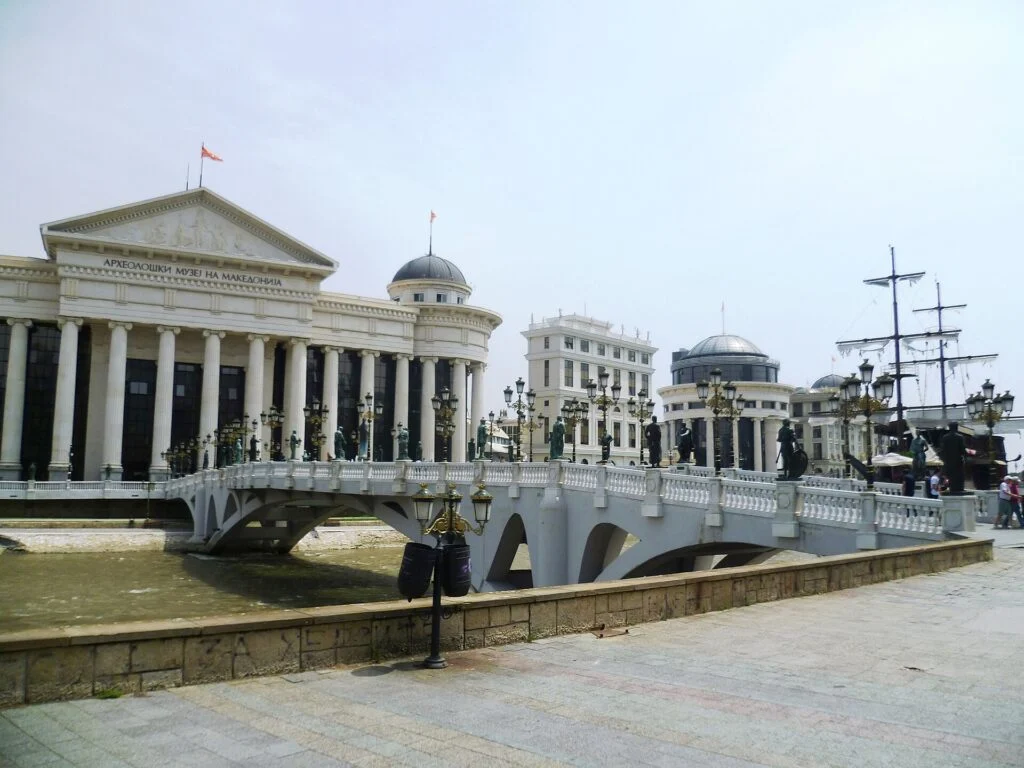
Visitors approaching the Museum of the Republic of North Macedonia encounter a building that blends modernist architectural elements with traditional motifs reflecting national identity. The museum’s exterior itself signals an institutional seriousness and a connection to historical continuity. Although not a standout in terms of grand architectural extravagance compared to some major European museums, the structure’s appearance conveys solidity and respect for the past.
The museum’s entrance area typically orients visitors through introductory panels or maps that establish the institution’s mission and outline the broad sweep of North Macedonian history. The lobby or reception spaces often serve as a transitional zone, preparing visitors for a chronological or thematic exploration inside. The layout appears designed to guide audiences from ancient archaeological contexts to more recent historical chapters, embedding the national narrative within broader regional developments.
The overall impression is that of a civic space committed to national heritage preservation, with a clear focus on grounding visitors in the tangible material culture and stories that shaped North Macedonia. The framing here is sober and generally does not rely on flashy multimedia or spectacle, which may set expectations for a more traditional museum experience.
Highlights and Key Exhibitions
The core strength of the Museum of the Republic of North Macedonia lies in its archaeological and ethnographic collections. The exhibits cover a wide geographic and chronological scope, emphasizing prehistoric settlements, Classical and Hellenistic periods, Roman imperial influences, and medieval kingdoms that left lasting cultural imprints on the territory. Among the archaeological finds displayed are stone tools, pottery sherds, jewelry, weaponry, and inscriptions that document the life and culture of early inhabitants.
One notable aspect is the presentation of artifacts from the Neolithic and Bronze Ages, such as ceramics and agricultural implements, which outline the evolution of human activity in the region. These pieces lend tangible evidence to North Macedonia’s role as a crossroads in ancient times. The classical period exhibits include artifacts related to the ancient Paeonian and Macedonian kingdoms, illustrating the complex ethnic and political arrangements before Roman domination.
Medieval collections focus on Byzantine influence and later Ottoman administration, with religious icons, manuscripts, and everyday objects that reflect shifting cultural identities and governance. The museum also contains sections dedicated to the recent national history, covering the period of Yugoslav federation, the struggle for independence, and cultural developments throughout the 20th century. Photographs, documents, and personal effects provide insight into these modern chapters.
Ethnographic displays are an important complement to the archaeological and historical sections. Traditional costumes, textiles, musical instruments, and household items provide a material connection to the diverse cultural communities that inhabit the country today. This side of the collection attempts to preserve intangible heritage elements through tangible objects, offering a glimpse into folk customs and practices.
While the museum presents a comprehensive chronological narrative, the scope of its collections allows for detailed explorations of certain periods more than others. For instance, the archaeological holdings are relatively extensive and well-documented, whereas the presentation of modern historical materials tends to be more limited in scale. The institution does not heavily emphasize contemporary art or experimental museology, remaining closer to a repository and display center rather than a site for avant-garde interpretation.
Visitor Experience
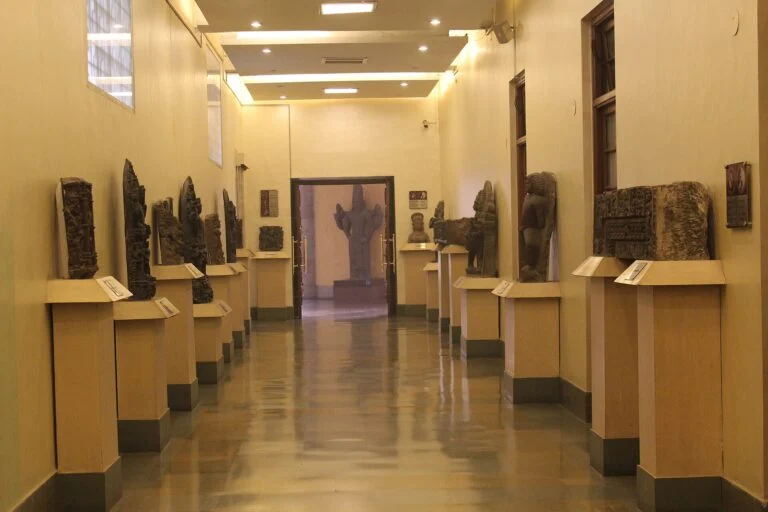
The Museum of the Republic of North Macedonia caters primarily to visitors with an interest in history, archaeology, and ethnography. Its exhibition style is straightforward, mainly relying on conventional display cases, panels with text in Macedonian and often English, and artifact groupings organized by period or theme. This approach tends to favor visitors with some background knowledge or at least an appetite for learning through objects and historical contextualization.
Pacing through the museum allows for a measured progression, but the density of information and range of artifacts may feel overwhelming to casual visitors or those less familiar with the region’s history. Some parts of the displays can appear somewhat static due to a lack of multimedia interpretation or interactive elements. Labels and explanatory texts generally provide essential data and context but do not always engage with interpretive nuance or conflicting historical narratives.
Educational groups, researchers, and enthusiasts of Balkan history will find the museum’s holdings rewarding, especially in terms of archaeological detail and ethnographic variety. However, visitors expecting dynamic storytelling or diverse interpretive angles might notice the museum’s cautious curatorial stance, which prioritizes straightforward preservation and presentation over critical debate or reinterpretation.
Careful museum layout and the logical division of exhibitions help maintain visitor orientation, though signage and spatial flow may benefit from further enhancement in user-friendliness. The museum’s organization emphasizes national heritage as a coherent historical continuum, which reflects the institution’s role within Skopje and North Macedonia’s cultural infrastructure.
Tickets, Access, and Planning
All practical information about visiting the Museum of the Republic of North Macedonia should be verified directly through the museum’s official website or local tourism sources before planning a visit. This includes opening hours, ticket costs, any required advance booking, current accessibility provisions, and availability of guided tours or audio guides.
Due to the museum’s central location in Skopje, it is generally accessible by public transport and near other cultural landmarks, although specifics about parking or nearby facilities should be checked in advance. The museum’s suitability for visitors with mobility challenges or other special requirements depends on current infrastructure, which may vary. Planning a visit with clear logistical information in hand is essential for making the experience as smooth as possible.
Final Verdict
The Museum of the Republic of North Macedonia offers a substantial and well-curated glimpse into the multifaceted history and culture of the country. Its strengths lie in its archaeological collections and ethnographic displays that document the evolution of human settlement, cultural diversity, and political realities in the region. The museum performs a critical role in safeguarding national heritage and providing educational resources for those interested in the intricate history of North Macedonia.
At the same time, the museum’s conservative approach to presentation and interpretation may not appeal to all audiences equally. Visitors seeking interactive technology, contemporary art, or more provocative historical debates might find the experience limited. The tone is serious and factual rather than innovative or theatrical, which benefits those looking for a grounded historical account but could feel somewhat restrained for others.
In summary, this museum is a valuable institution for anyone researching or keen to deepen their understanding of the Balkan Peninsula’s past through material culture. It is best suited to history buffs, archaeologists, students, and cultural researchers rather than casual museum-goers looking for a broad entertainment or art-focused visit. Proper planning with current information is advised to navigate the practical aspects of the visit effectively.