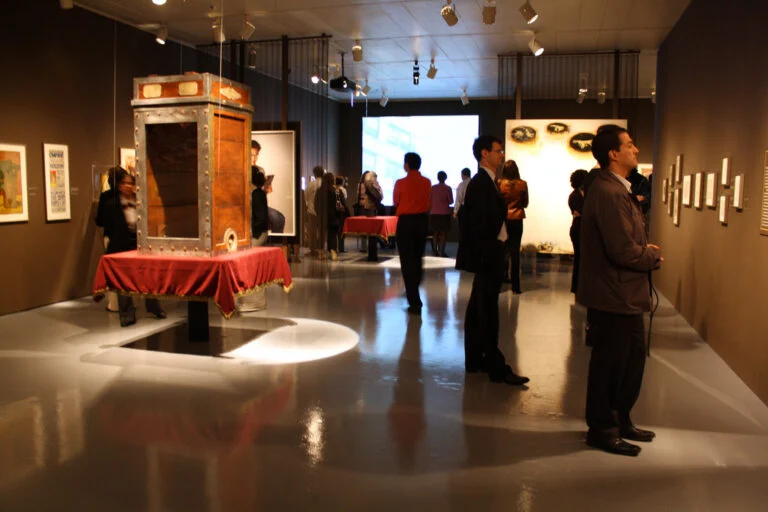
Museum of the Republic of North Macedonia
Skopje, North Macedonia. The Museum of the Republic of North Macedonia is a national institution located in Skopje, the country’s capital. It serves as a local history and cultural museum, focusing on the region’s past and heritage…
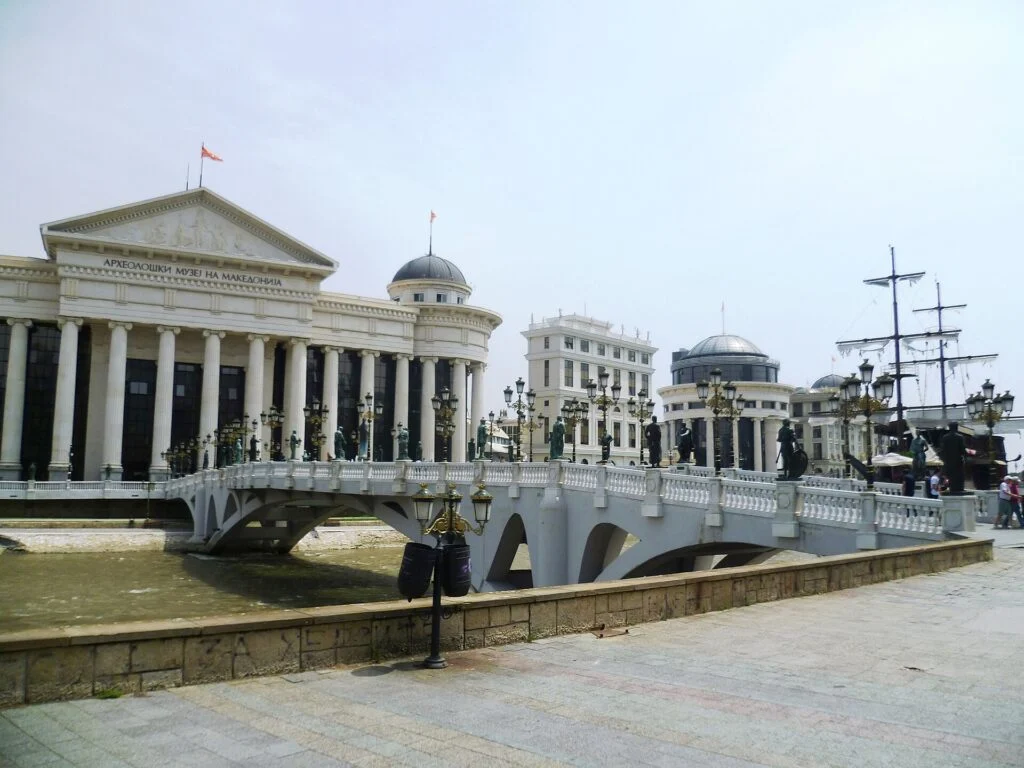
Best forMuseum lovers, culture travelers, first-time visitors
Setting / nearbySkopje, North Macedonia
Overview
The Museum of the Republic of North Macedonia is a national institution located in Skopje, the country’s capital. It serves as a local history and cultural museum, focusing on the region’s past and heritage across various eras and disciplines. Founded with the intent of preserving, researching, and showcasing the cultural identity of North Macedonia, this museum reflects the complex history and mosaic of influences that have shaped the area over centuries. It offers visitors a chance to engage with the tangible remains of different periods—archaeological finds, ethnographic artifacts, historical documents, and artistic expressions—that chart the development of the region from prehistoric times through more recent events in Macedonian history.
While the museum situates itself within the national narrative of North Macedonia, its collections and exhibitions also highlight connections to the broader Balkan context, illustrating how local history is part of a wider, overlapping regional story. With this focus, the museum plays an important role in educating both local audiences and visitors about the diversity and depth of the country’s cultural heritage and archaeological richness. It can be understood as a place where the past is made visible and accessible through multiple objects and interpretive displays.
Collection Highlights
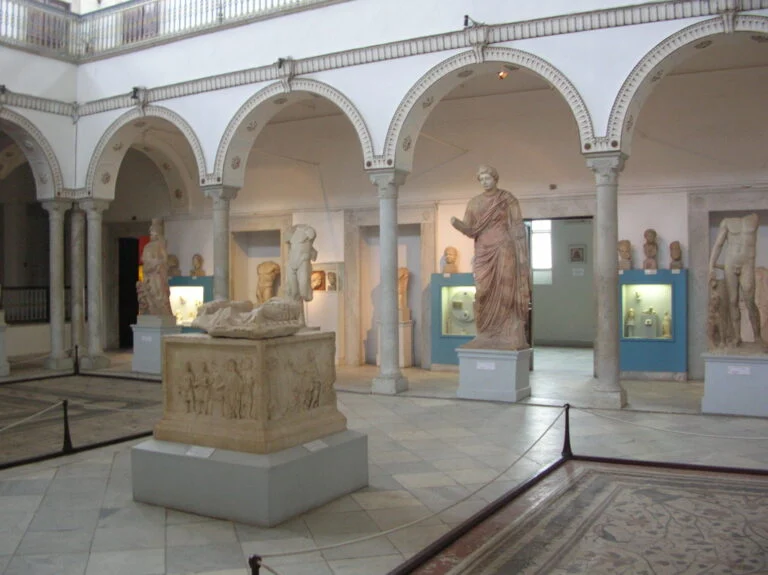
The museum’s collection covers a broad spectrum, but certain fields dominate its holdings. Archaeology is a strong component, reflecting the abundant prehistoric and ancient sites found within North Macedonia. Visitors can expect to see artifacts from early human settlements, such as everyday tools and domestic objects, as well as more elaborate examples of material culture from the classical periods influenced by Greek, Roman, and Byzantine civilizations. Sculptures, pottery, jewelry, and coins form part of this long chronological sweep, providing a tangible narrative of evolving societies and economies.
Ethnographic material is another significant part of the Museum of the Republic of North Macedonia’s presentation. Traditional costumes, household items, folk art, and objects linked to social customs feature here, helping to convey the lived experience, social organization, crafts, and rituals of various ethnic groups residing in the country. This dimension offers valuable insight into how cultural identity and practices have been sustained and transformed, especially in rural and urban communities.
Historical exhibits include archival materials and objects related to more recent phases, including Ottoman rule and the struggles for national independence in the 19th and 20th centuries. These display elements collectively trace political, social, and cultural changes within the territory of what is now North Macedonia, adding essential context to the archaeological and ethnographic collections. Documents, photographs, and artifacts associated with key historical events and figures may be incorporated into the exhibitions, aiming to ground visitors’ understanding in material culture as well as text.
Visitors should note that as with many national museums covering wide topics, the scope of the collections is broad, which means individual thematic areas might not be as deeply specialized or exhaustive as seen in smaller, dedicated institutions. Still, the museum serves as a comprehensive introduction to the country’s heritage.
Building and Setting
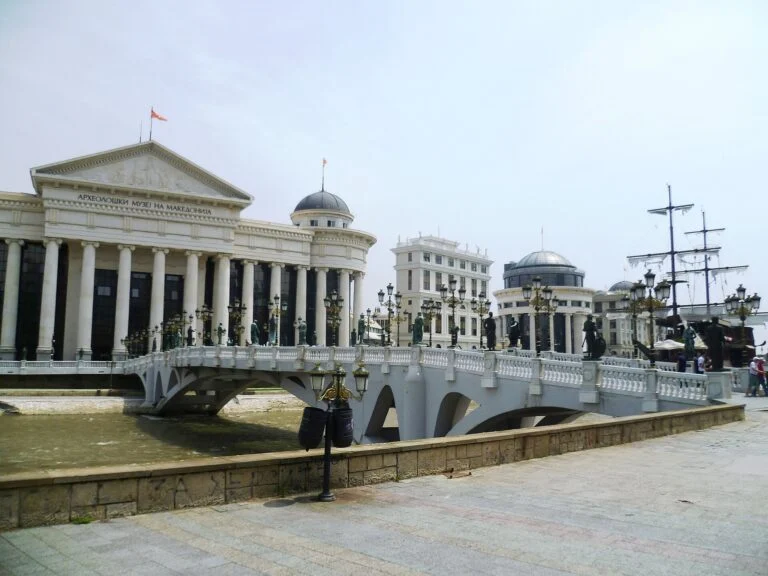
The Museum of the Republic of North Macedonia is situated in central Skopje. Skopje is a city with a layered historical environment, including Ottoman-era architecture and traces of Roman and Byzantine structures nearby. The museum building itself reflects a particular period of construction and municipal planning, often indicative of official cultural institutions in the region.
The museum’s location within the urban fabric of Skopje means visitors can easily combine a visit with other local cultural sites and landmarks. The setting provides convenient access to public transport and the city’s amenities. The surrounding cityscape resonates with the museum’s mission, allowing visitors to contextualize the history on display with the living environment around them.
Practical Information
Visitors planning a trip to the Museum of the Republic of North Macedonia should consult its official website or contact the institution directly for the most current information on opening hours, admission fees, guided tours, and available services. Details such as accessibility and the availability of audio guides or printed materials are best confirmed in advance.
Given the nature of national museums in this region, busy periods might occur during national holidays or special exhibition openings, so timing a visit to avoid crowded conditions could be worthwhile for a more contemplative experience. Also, depending on language considerations, translation or explanation options may vary; it is helpful to check whether English labels or guides are available if needed.
Why Visit
The Museum of the Republic of North Macedonia offers a thorough overview of the country’s past from multiple perspectives, making it particularly well suited for visitors interested in archaeology, ethnography, and national history. It provides essential context for understanding contemporary North Macedonia by situating its heritage within long historical processes.
The museum may appeal to those with an academic or amateur interest in the Balkans or Southeastern Europe more generally, as well as those wanting a sense of how a country and its population relate to their own heritage. It can also serve as a starting point for further exploration of Skopje and the wider region’s other specialized museums and historical sites.
That said, visitors looking for a highly interactive or multimedia-driven experience might find the presentation style more traditional. The museum’s strength lies in its object-based narrative and documented history rather than innovative display techniques. Visitors who appreciate clear and straightforward interpretive approaches will find the museum worthwhile.
In sum, the Museum of the Republic of North Macedonia functions as a significant cultural repository that enables a deeper understanding of the country’s past and cultural identity. It is best approached with a measured appreciation for its scholarly aims and as part of a broader exploration of the heritage landscape in Skopje and North Macedonia. Visitors coming with a genuine curiosity about the region’s history will find it rewarding in its breadth and focus.