Museu de Lisboa Review
Lisbon, Portugal. Museu de Lisboa presents itself with a defined mission: to narrate the history of Lisbon through the city’s material culture, architecture, and urban evolution. Unlike broader national or art museums that scatter their focus…
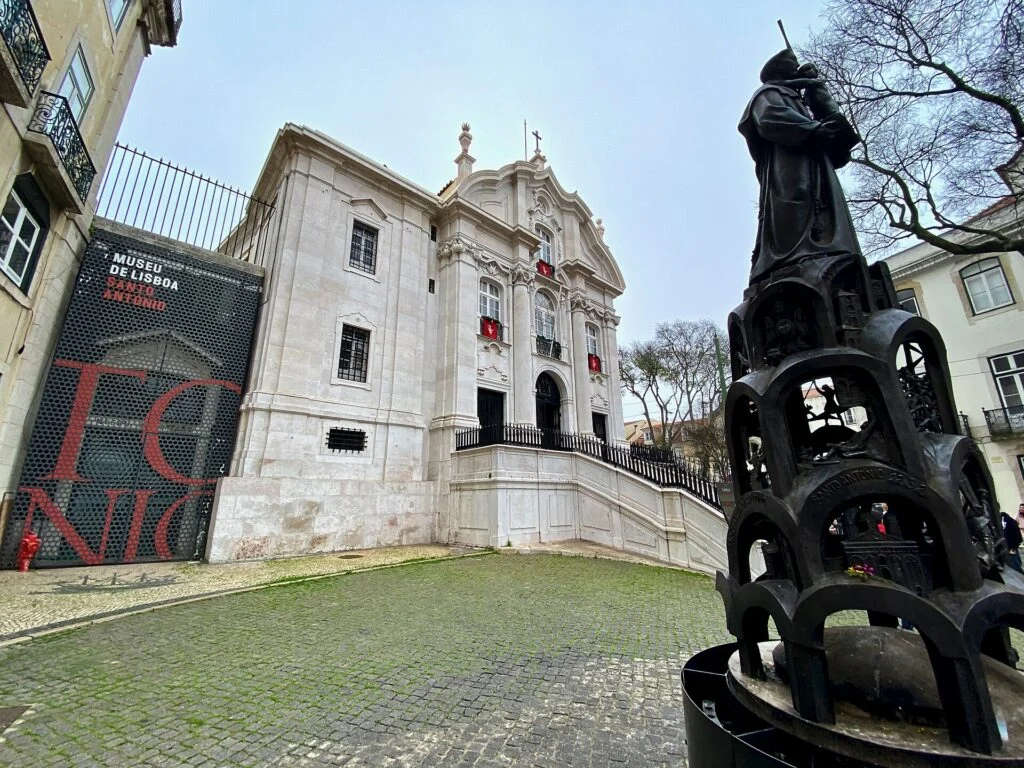
Lisbon, Portugal. Museu de Lisboa presents itself with a defined mission: to narrate the history of Lisbon through the city’s material culture, architecture, and urban evolution. Unlike broader national or art museums that scatter their focus…
Best forMuseum lovers, culture travelers, first-time visitors
Review focusCollections, visitor experience, and practical planning
A Museum with a Clear Point of View
Museu de Lisboa presents itself with a defined mission: to narrate the history of Lisbon through the city’s material culture, architecture, and urban evolution. Unlike broader national or art museums that scatter their focus across periods, styles, and themes, Museu de Lisboa takes Lisbon as its central character. It addresses the city not simply as a backdrop but as an active subject shaped by centuries of cultural, social, and economic currents. This lens offers a localized yet deep perspective on the Portuguese capital’s transformation from a medieval port to a modern European metropolis.
The museum’s point of view revolves around urban identity and the layers of city life that contributed to its present form. This is not a generic city museum showcasing only the well-known landmarks or famous historical events but a detailed inquiry into how Lisbon’s physical environment, everyday objects, art, and maps collectively tell the story of its inhabitants and past moments of upheaval or regeneration. In this way, it sidesteps the pitfall of local history museums that sometimes resort to nostalgia without much context, instead committing to a narrative grounded in tangible artifacts and archival material.
What Defines the Collection
The collection spans archaeology, decorative arts, painting, prints, photographs, and urban planning documents. Archaeological finds connect the pre-modern roots of Lisbon to Roman and medieval times, although these remains don’t dominate the museum’s holdings. Its strength lies more in the representation of the city’s social and cultural evolution from the 18th century onwards, reflected in ceramics, furniture, glassware, traditional costumes, and a substantial array of historical maps and architectural models.
A significant aspect of the collection is the documentation of Lisbon’s rebuilding after the 1755 earthquake. Objects related to reconstruction efforts, architectural plans, and prints showing the Pombaline intervention give a strong material sense of this pivotal moment. That catastrophic event is a defining rupture in Lisbon’s urban narrative, and its material trace here anchors the museum’s story in a moment of transformation rather than mere continuity.
Portraiture and painting form a more modest but illustrative strand. Rather than a general art collection, paintings tend to depict notable Lisbon figures or cityscapes, giving visual form to the city’s history and social fabric. Photographs and prints from the late 19th and early 20th centuries fill in details about daily life that complement the larger historical themes.
Standout Galleries and Themes
The 1755 earthquake and subsequent urban regeneration emerge as a central theme throughout the galleries. This episode is carefully documented by a range of materials—maps, drawings, official documents, and archaeological fragments—highlighting not only the destruction but how innovative city planning responded to it. The Pombaline grid, which rebuilt the Lisbon Baixa district, is shown not only through technical plans but also through models and visual imagery, illustrating the intersection of disaster, governance, and architecture.
Another gallery examines the ordinary city, focusing on the evolving material culture of Lisbon’s residents. One finds displays of household objects, ceramics, and clothing that speak to different social classes and periods. This section brings a human element into the urban narrative, moving beyond political or architectural history to the texture of everyday experience.
Later sections trace Lisbon’s expansion and modernization into the 19th and 20th centuries, including the rise of new neighborhoods, transportation developments, and shifts in commercial and social life. While these galleries address broad processes, the focus remains anchored in local specificity, resisting generic treatments of industrialization or modernity by tying changes directly to the Lisbon geography and institutions.
Pacing, Interpretation, and Atmosphere
The museum’s design emphasizes clarity and a chronological unfolding of Lisbon’s story, which can aid comprehension but may leave some moments feeling more like archival presentations than dynamic displays. Interpretation primarily relies on panels and labels that provide historical context, clarifying the relevance of particular objects or documents. These texts avoid jargon and occasionally include anecdotes or quotations to enliven the narrative, though interactive or multimedia elements appear limited.
Although housed in several historical buildings across the city, the central facilities and main exhibition spaces benefit from clean, well-lit rooms that respect the architectural character of the sites. This setting reinforces the connection between Lisbon’s physical history and its cultural narrative. The atmosphere seems sober rather than theatrical: the museum trusts its sources and objects to convey significance without staging dramatics.
The flow through galleries is logical if somewhat academic. Visitors interested in a broad sweep of Lisbon’s urban history will find the narrative coherent, but those expecting a more theatrical or immersive museum might find the approach restrained. This straightforward style may appeal to those who prefer to absorb material carefully rather than be led by spectacle.
Strengths and Limitations
Museu de Lisboa’s main strength is its focused yet layered approach to the city’s history, emphasizing material culture and urban planning alongside art and archaeological remains. Its treatment of the 1755 earthquake and the Pombaline rebuilding stands out as a cornerstone, supported by tangible evidence rather than just textual explanation. This grounding grants the museum a certain scholarly weight without being strictly an academic repository.
The collection’s breadth is sufficient to show multiple aspects of Lisbon’s past but does not extend into recent contemporary art or social themes in detail. This choice keeps the narrative tight but may disappoint visitors looking for explorations of Lisbon’s diverse contemporary culture or its colonial and postcolonial contexts. The museum does not foreground these strands strongly, even though they are part of Lisbon’s recent history.
Interpretive methods lean toward traditional museum labeling and historical description, lacking extensive technological features seen in newer museums, such as interactive displays or virtual reconstructions. While this limits engagement for visitors seeking a more diverse sensory experience, it also preserves focus on primary sources and their stories.
The division across several buildings in Lisbon means the museum’s presence is dispersed. The multiple locations relate well to the museum’s mission of situating history in place but could complicate logistical planning for visitors unfamiliar with the city or with limited time.
Before You Go
Potential visitors should check the museum’s official website for the latest information on opening hours, admission policies, and possible guided tours. Given the museum’s division into multiple sites, it is advisable to confirm which locations are open at the time of visit and whether certain galleries require advance booking.
The museum does not concentrate on contemporary tourist or entertainment-driven programming, so visitors seeking lively or family-oriented activities might find its offerings sparse. Instead, those interested in urban history, architecture, or the details of Lisbon’s past have a solid resource here.
Final Assessment
Museu de Lisboa represents a thoughtful and detailed historical archive focused on the city’s transformation rather than a broad cultural museum. Its emphasis on urban identity, built heritage, and the material remains of pivotal moments such as the 1755 earthquake gives it a distinct purpose and strength. The museum’s storytelling is measured and earnest, relying on artifacts, documents, and images to draw a precise picture of Lisbon’s development.
This focus renders the museum particularly relevant for historians, urban planners, architects, and anyone invested in the layers that explain one European city’s unique past. However, its restrained interpretation style and limited use of multimedia mean it may not engage all forms of visitors equally. The dispersed nature of the museum’s physical presence requires some practical planning but also ties the historical narrative directly to the city’s fabric.
In sum, Museu de Lisboa stands out for its clear perspective on Lisbon’s urban and social history conveyed through a curated selection of material culture and archival resources. It offers depth where many city museums settle for breadth, delivering a rigorous and place-specific account of Portugal’s capital.