Alhambra Museum
Granada, Spain. The Alhambra Museum in Granada, Spain, is a specialized archaeological museum focused on the rich cultural history connected to the Alhambra complex and the broader historical context of the Nasrid period in Andalusia. It…
Best forMuseum lovers, culture travelers, first-time visitors
Setting / nearbyGranada, Spain
Overview
The Alhambra Museum in Granada, Spain, is a specialized archaeological museum focused on the rich cultural history connected to the Alhambra complex and the broader historical context of the Nasrid period in Andalusia. It preserves and displays artifacts recovered from the Alhambra palace and fortress, one of the last strongholds of Islamic rule on the Iberian Peninsula during the late Middle Ages. The museum is an important resource for anyone interested in the material culture of medieval Islamic Spain, including ceramics, architectural fragments, and decorative arts.
Unlike a general art or history museum, the Alhambra Museum concentrates on objects directly linked to the palace’s construction, use, and restoration. It allows visitors to gain insight into the craftsmanship, aesthetics, and daily life that underpinned one of the continent’s most distinctive architectural ensembles. Positioned within the Alhambra grounds, the museum complements a visit to the palace itself but offers a quieter, more reflective environment where the focus is on artifacts rather than the site’s monumental architecture and gardens.
Collection Highlights
The museum's collection broadly spans the period of Nasrid rule in the 13th to 15th centuries, although it also touches on earlier and later periods in the region. Visitors can expect to see a variety of objects related to the architectural and artistic heritage of the Alhambra.
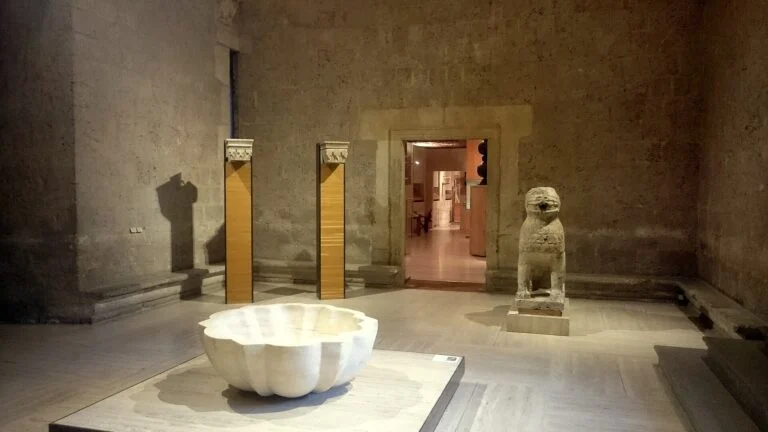
One of the key strengths of the museum lies in its comprehensive assemblage of ceramic pieces. This includes glazed tiles and lusterware pottery that once adorned the walls and surfaces of the palace, displaying typical Islamic geometric patterns, vegetal motifs, and calligraphic inscriptions. These items help illustrate both the technical skill and artistic priorities of the craftsmen who worked for the Nasrid sultans.
Another notable set of exhibits includes fragments of carved stucco and woodwork that were part of the palace’s intricate decorative schemes. These often feature delicate arabesques and inscriptions in Arabic script, offering insight into the religious and cultural symbolism embedded in the architecture. Samples of wrought ironwork and small architectural elements provide a three-dimensional sense of the detailing that once filled the Alhambra complex.
In addition to decorative arts, the museum contains archaeological findings unearthed during various restoration projects at the Alhambra. These include everyday objects such as tools, coins, and household items, shedding light on the lives of both the elite and servants who lived and worked within the palace walls.
For those interested in the historical context, the museum offers displays that touch on the final stages of the Nasrid dynasty and the consequences of the Reconquista, which culminated in the Christian conquest of Granada in 1492. This provides a useful framing for understanding the sociopolitical environment in which the Alhambra functioned.
Building and Setting
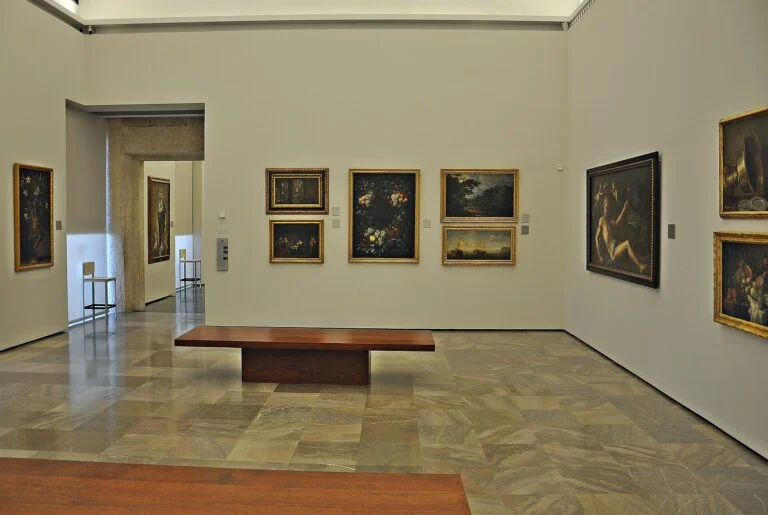
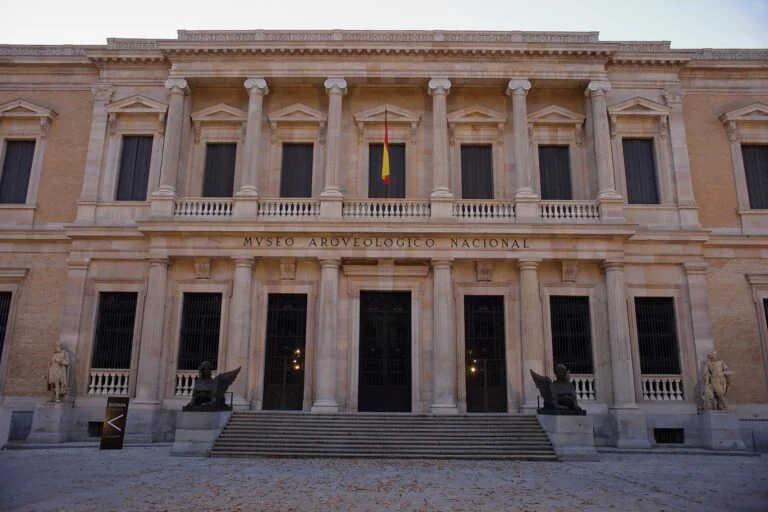
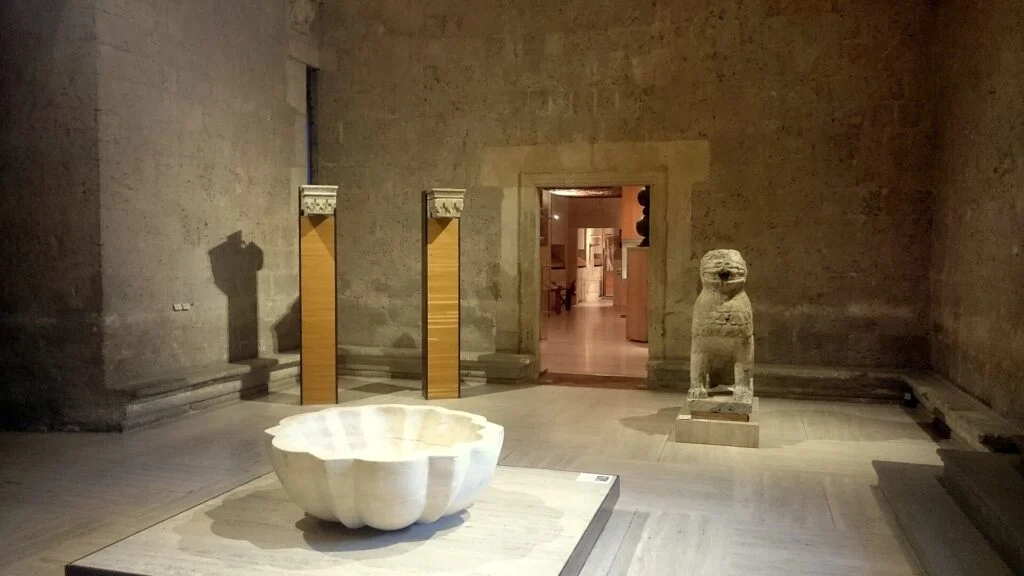
The museum is located within the Alhambra complex itself, a portion of the site that was once integral to the palace but has now been adapted for museum use. While the museum is smaller than the palace buildings and gardens, it occupies a restored structure or spaces that allow for controlled exhibition of the artifacts. The building’s arrangement tends to be more subdued and less grand than the palace’s iconic chambers, focusing visitors’ attention on the objects rather than the architecture.
Its position within the Alhambra grounds means that visiting the museum is often combined with a broader visit to the complex, although entrance is typically managed separately. The immediate environment offers sweeping views of Granada and the surrounding mountains, connecting the cultural artifacts inside to the broader landscape that shaped the history of the region. The space allows for a degree of calm and contemplation that can contrast with the more crowded and often outdoor palace areas.
As with many heritage sites, the flow of visitors may vary significantly depending on the season and time of day, and this can affect the experience within the museum. The museum’s layout and signage are intended to guide visitors through a coherent narrative of the site’s history, but some knowledge of the Alhambra itself before visiting can enhance appreciation of the exhibits.
Practical Information
Specific details about ticketing, opening hours, and access to the museum can differ over time and by season. Visitors interested in the Alhambra Museum should verify such arrangements on the official Alhambra website before planning their visit to ensure the most current information regarding admission procedures, schedules, and any necessary bookings.
The museum is situated within the larger Alhambra site, which is a popular destination and may require advance reservations or timed entry tickets, especially during peak tourist periods. It is advisable to plan accordingly and allow adequate time to explore both the museum and the wider complex.
Information regarding accessibility for visitors with mobility issues, the availability of guides or supplementary materials, and onsite facilities may be detailed by the managing body on their official online resources. Prospective visitors seeking these services should consider consulting the official information to understand current provisions.
Why Visit
For those with an interest in medieval Iberian history, Islamic art, or archaeology, the Alhambra Museum offers a focused collection that contextualizes one of Europe’s unique cultural landmarks. The museum provides a grounded understanding of how the Alhambra was constructed, decorated, and inhabited. By conserving and presenting original objects removed from the site, it allows visitors to engage with a tangible past that might otherwise be visible only through architectural spaces and written records.
Visitors who are drawn to decorative arts will find the ceramic and stucco fragments especially rewarding, as they demonstrate techniques and artistic vocabularies distinctive to Nasrid Granada. For historians and archeologists, the museum’s exhibits underline the intersection between local craftsmanship and broader Islamic cultural trends at a critical historical juncture before the end of Muslim rule in Spain.
However, the museum is not designed for visitors seeking a broad survey of Spanish or Islamic art beyond the specific context of the Alhambra and the Nasrid dynasty. Those expectations might be better met by larger art museums or archaeological institutions in Andalusia or Spain more generally. The focus here is narrower and more archaeological than purely artistic.
It should also be noted that the museum functions best as part of a combined visit with the Alhambra’s palace and grounds. On its own, the collection, while rich and informative, might be harder to fully appreciate without experiencing the context of the site where these objects originated.
In summary, the Alhambra Museum offers a valuable complement to the architectural experience of the Alhambra. It supports a deeper historical and cultural understanding of the palace and fortress beyond their impressive physical form. Awareness of the museum’s focused scope and its position within the broader site can help visitors align their expectations and planning for a visit to this historic corner of Granada.
For the most accurate and up-to-date information, including practical details and special notices, consult the official Alhambra online resources before visiting.