Museo de América
Archaeology Museums · Madrid, Spain. The Museo de América in Madrid offers a structured and extensive survey of the history, art, archaeology, and ethnography of the American continents before and after European contact. Founded in the mid-20th century, the…
Best forMuseum lovers, culture travelers, first-time visitors
Setting / nearbyMadrid, Spain
Overview
The Museo de América in Madrid offers a structured and extensive survey of the history, art, archaeology, and ethnography of the American continents before and after European contact. Founded in the mid-20th century, the museum was created to preserve and present the diverse cultural heritage of the indigenous civilizations as well as the complex historical interactions that followed the arrival of Europeans. Its collection is especially relevant given Spain’s historical ties with Latin America, providing a Spanish perspective on America’s ancient and colonial past.
This museum is a national institution primarily dedicated to the visual and material culture of the Americas. It stands out among Madrid’s cultural offerings for its pan-American scope, tracing developments from the earliest human settlements through pre-Columbian societies and into the colonial era and early modern transformations. It is not an art museum in the conventional sense, nor a purely archaeological site, but rather a combination of several disciplines that together document the multifaceted history of the hemisphere.
Collection Highlights
The Museo de América’s holdings include a wide range of objects reflecting indigenous technologies, religious artifacts, textiles, ceramics, metalwork, and archaeological finds from North, Central, and South America. Its strength lies in the comprehensive chronological coverage and the geographic breadth of its collection. Visitors can expect to see material related to major pre-Columbian cultures such as the Aztec, Maya, Inca, and others that flourished on both sides of the continent.
Among the notable pieces are intricately designed gold artifacts and jewelry from the Andean region, reflecting the advanced metallurgy of cultures such as the Moche and the Inca. The museum also holds a significant collection of pottery and ceramics, which often feature stylized motifs and iconography important for understanding religious and social practices. Textile fragments, though more rarely preserved, provide insight into weaving traditions and symbolic dress.
In addition to pre-Columbian items, the museum explores the colonial period with objects illustrating the fusion and clash of European and indigenous cultures. Religious imagery brought by Spanish missionaries, including paintings and sculptures, can be found alongside everyday tools and objects from colonial settlements. This section does not shy away from the difficult history of colonization and its impact on indigenous populations, though the tone aims to remain informative rather than polemical.
There are also maps, manuscripts, and documents that shed light on exploration, conquest, and the administration of colonial territories. This archival material can be quite valuable for visitors interested in history from a documentary perspective, though access to textual items may differ depending on the exhibit and museum policies.
Building and Setting
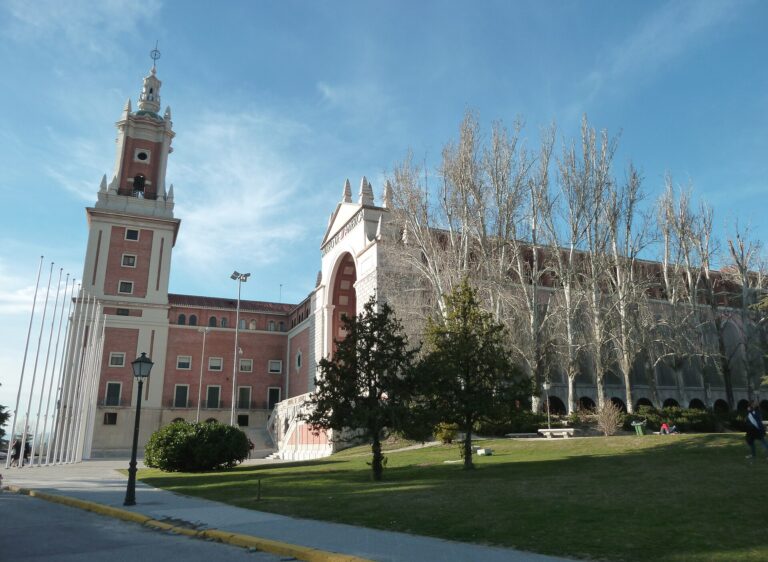
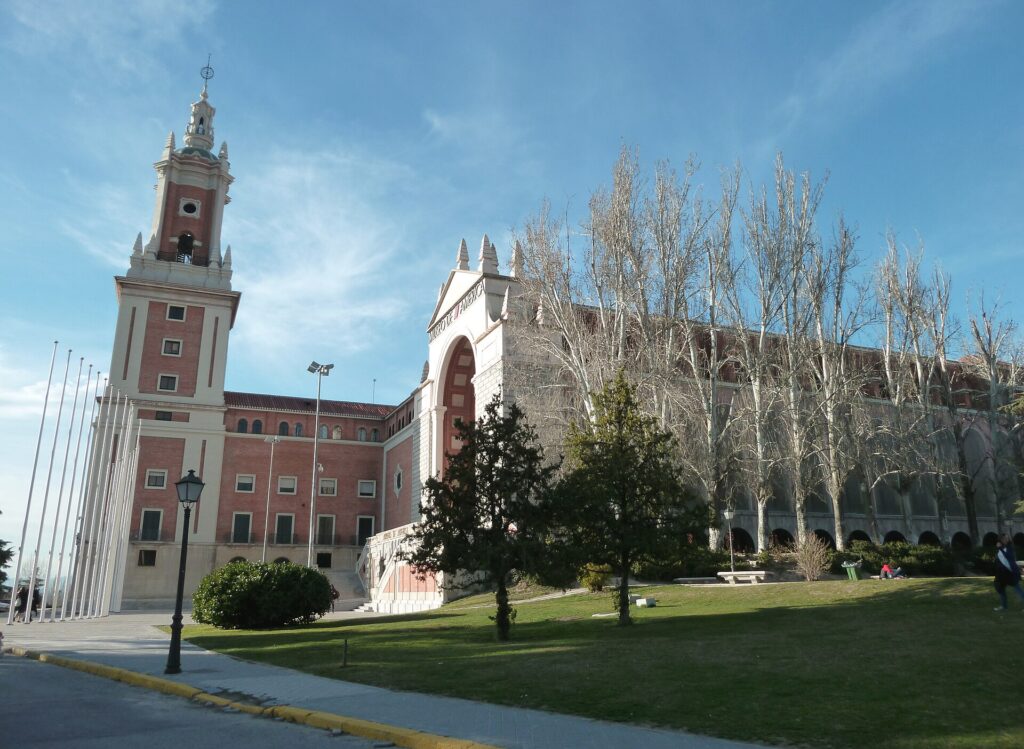
The building housing the Museo de América is a large, modernist structure located in a quieter district of Madrid, somewhat away from the immediate city center bustle. Its architecture reflects the mid-20th-century trends in public building design, with emphasis on spacious interiors conducive to display rather than decorative historicism.
The museum’s layout is organized into thematic and chronological sections that guide the visitor through different regions and time periods. The design aims at clarity and educational flow, with explanatory panels in multiple languages. Lighting and exhibit cases are arranged to protect sensitive materials while allowing close viewing, though the scale and density of the collection require selective presentation, so not every object is on permanent display.
The setting is accessible by public transportation, and the immediate surroundings provide a calm atmosphere for visitors who prefer to reflect on the exhibits in a relaxed environment. Museums in Madrid often situate near other cultural institutions or parks, but this museum’s specific neighborhood is mostly residential and administrative, which some may find a quiet break from more tourist-heavy areas.
Practical Information
Visitors planning a trip to Museo de América should consult the museum’s official website before visiting to verify the most current information about opening hours, admission fees, guided tours, availability of audio guides, and any temporary closures or special exhibitions. As is common with such institutions, accessibility accommodations may be in place but are best confirmed ahead of time.
Tickets might be required for entry, and while some museums offer discounts for students, seniors, or local residents, the exact details for this museum are not provided here, so prior checking is advisable. Since the museum is somewhat specialized, language support through signage or personnel might include Spanish and English, but visitors with other language needs should plan accordingly.
Visitors should also consider that the museum’s collection involves a large number of delicate artifacts, which means photography may be restricted in some areas. Food and drink policies are likely to be strict, and storage lockers or cloakrooms might have limits. The museum’s website or visitor services are the best source for any specific guidelines.
Why Visit
The Museo de América appeals especially to those with an interest in the indigenous cultures of the Americas, colonial history, and the artistic and technical achievements of pre-Hispanic civilizations. It offers a more focused approach compared to broader art or history museums that cover multiple continents or topics. For scholars, students, and culturally curious individuals, it presents objects and narratives not always well represented elsewhere in Spain or Europe.
It also serves as a useful resource for understanding Spain’s colonial legacy in the Americas. This can prompt reflection on the cultural exchanges and conflicts that shaped substantial parts of modern history. The museum does attempt to strike a balance between celebrating artistic achievement and acknowledging historical complexities without becoming an advocacy center.
Visitors should not expect a highly interactive or multimedia-heavy experience, as the emphasis remains on the artifacts themselves and scholarly interpretation. Those seeking very modern exhibition methods or entertainment-driven visits may find the pace more measured and traditional. However, this may appeal to visitors who appreciate straightforward, well-organized presentations.
In summary, the Museo de América offers a thorough and serious look at the cultural and historical relationship between Spain and the American continents. It fits well within the cultural landscape of Madrid as a specialized institution devoted to a significant but often compartmentalized field of study. It is worth a visit for anyone keen on the Americas’ past and its enduring influences. To prepare effectively, check the museum’s latest visitor information to plan an informed and comfortable visit.