Museo Arqueológico Nacional
Archaeology Museums · Madrid, Spain. The Museo Arqueológico Nacional in Madrid serves as Spain’s principal archaeological museum, focusing broadly on the country’s ancient past alongside artifacts from other regions once within the reach of Iberian influence. It aims to…
Best forMuseum lovers, culture travelers, first-time visitors
Setting / nearbyMadrid, Spain
Overview
The Museo Arqueológico Nacional in Madrid serves as Spain’s principal archaeological museum, focusing broadly on the country’s ancient past alongside artifacts from other regions once within the reach of Iberian influence. It aims to provide an extensive narrative of the prehistoric, Iberian, Roman, and medieval periods, with additional materials from cultures across Europe, Africa, and the Americas. This museum stands out for the depth of its collection relating to the Iberian Peninsula’s historical and archaeological heritage, making it a key institution for understanding Spain’s cultural foundations.
As the national repository, the institution combines archaeological research, preservation, and exhibition. Its galleries trace human activity in the region from Paleolithic times onward, approaching the story of Spain through material culture rather than through purely nationalistic or political frameworks. While it has strong representation of local archaeology, the museum also situates these finds within a broader Mediterranean and Atlantic context, reflecting the interactions and influences of ancient civilizations.
Collection Highlights
The Museo Arqueológico Nacional holds a significant range of artifacts displayed in a chronological and thematic order that helps visitors grasp the complex prehistory and history of Spain. One of its notable strengths is the collection of prehistoric tools, ceramics, and burial objects that shed light on early human activity in the Iberian Peninsula and the evolution of settlement patterns.
Visitors will encounter the renowned Lady of Elche, an Iberian limestone bust that is emblematic of the region’s ancient art. This piece reflects the high craftsmanship and religious artistry from the late Iberian culture, dating roughly to the 4th century BCE. Sculptures like this illustrate the fusion of Mediterranean artistic influences present in Iberia before Roman conquest.
Roman artifacts form a considerable part of the collection, illustrating Spain’s integration into the Roman Empire. Sculptures, mosaics, inscriptions, and everyday objects reveal the life, administration, and art of Roman Hispania. Among these are impressive mosaics originally from Roman villas, which showcase the artistic and cultural conditions of Roman provincial life.
The museum also explores the Visigothic and early medieval periods, displaying objects that trace the shift from Roman rule to the complex interplay of emerging kingdoms. This includes ceramics, metalwork, and religious items that help illuminate this transitional era, often less understood outside scholarly circles.
The Americas section presents pre-Columbian artifacts, reflecting Spain’s later connections with the New World. These objects offer insights into the material culture of indigenous American societies before European contact. While not its main focus, this part broadens the museum’s remit beyond Europe.
Modern museological practices are evident in the museum’s arrangement, which allows for a narrative that connects archaeological finds with historical context clearly and accessibly. While some display methods may feel traditional compared with contemporary installations focusing on interactive technology, the emphasis remains on the objects themselves and their stories.
Building and Setting
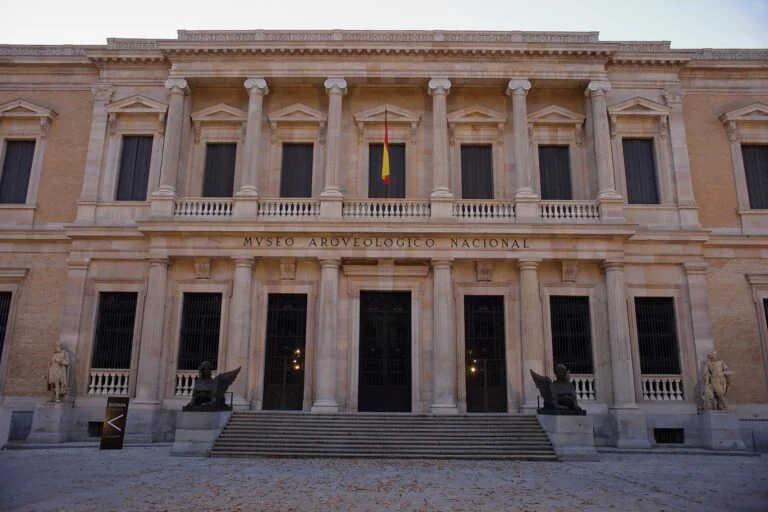
The museum is housed in a substantial 19th-century building in the heart of Madrid. Its location places it within the cultural core of the city, alongside other major institutions like the Prado Museum and the Thyssen-Bornemisza Museum. This proximity creates a cultural cluster that can be advantageous for visitors planning to explore Madrid’s artistic and historical offerings on foot.
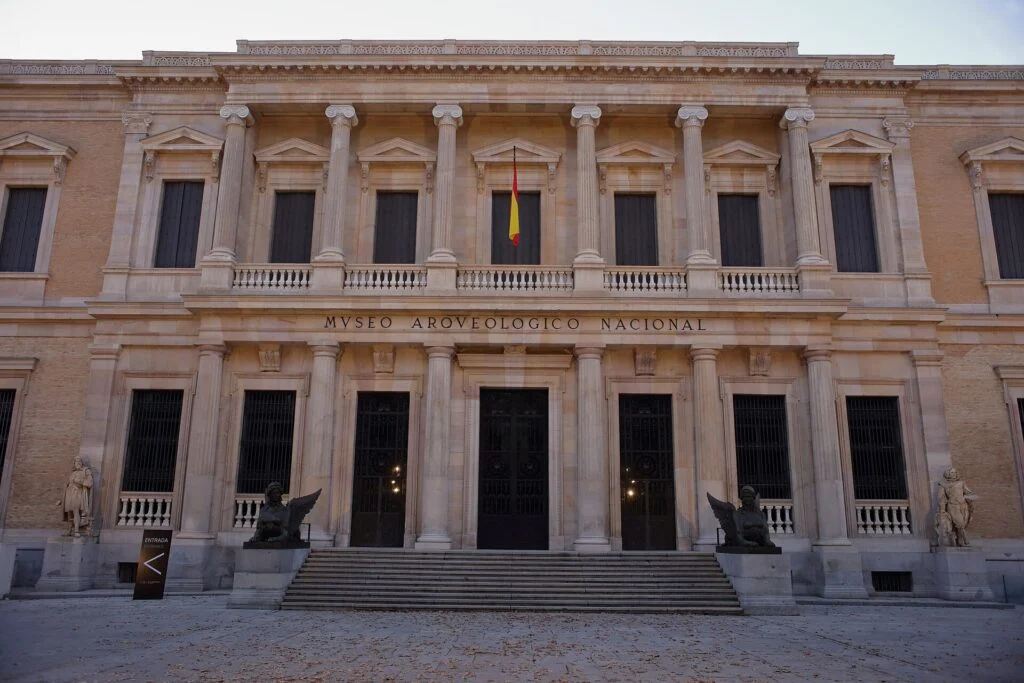
Architecturally, the museum’s building reflects a neoclassical style common to institutional buildings of its period, featuring a symmetrical façade with classical detailing. Inside, the layout is structured around a series of exhibition rooms that accommodate both permanent and temporary exhibitions. This format allows for rotation and renewal of displays, though the main permanent collection occupies most of the available space.
While the building is significant for its role as a national museum, its historic design may not offer the same openness or natural light as modern museum architecture prioritizes. Visitors interested in accessibility and spacious flow may find some areas more confined, but such trade-offs are often characteristic of historical museum buildings.
Practical Information
For those considering a visit, it is advisable to consult the museum’s official website before planning a trip. Operating hours, admission fees, visitor services, and any temporary closures or special exhibitions are subject to change, particularly given current public health considerations.
The museum provides a concentrated experience of Spanish archaeology, but this can involve lengthy and detailed displays. Visitors with limited time may wish to prioritize specific sections, perhaps focusing on prehistory and Roman objects or on later medieval artifacts depending on their interests.
While the museum is centrally located, it’s important to check accessibility options if mobility or special needs considerations are relevant. Additionally, official information about guided tours, educational programs, audio guides, or supplementary materials should be confirmed directly with the institution.
Photography policies and visitor rules also vary with changing temporary exhibitions; visitors should review these policies ahead of arrival to ensure a smooth experience.
Why Visit
The Museo Arqueológico Nacional offers a thorough historical perspective on Spain’s deep past through a rich collection of archaeological finds. For those interested in archaeology, history, or the cultural development of the Iberian Peninsula, it provides substantial context and material to engage with the ancient roots of the region.
The museum is particularly suited to visitors seeking a structured, object-focused approach to history rather than purely narrative storytelling. Scholars, students, and those with specific interests in ancient Mediterranean cultures may find this institution especially rewarding.
While the lack of cutting-edge exhibition technology or highly interactive displays might limit appeal to visitors seeking digital engagement, the fundamental value lies in the museum’s careful preservation and presentation of original artifacts. This focus encourages deeper reflection on the material culture bridging Spain’s prehistoric past with its Roman and medieval heritage.
Tourists drawn to Madrid’s major art museums often find the Museo Arqueológico Nacional a logical addition to their itinerary. It complements the city’s art collections by providing the archaeological and historical background that enriches understanding of the region’s identity.
In summary, the museum is an essential visit for those who want to explore Spain’s archaeological heritage in a formal setting, with exhibits that speak directly to the tangible remnants of ancient civilizations. It may be less suited for casual or very young visitors looking for high entertainment value, but it stands as a serious resource and cultural repository in Madrid’s museum landscape.