Museu d’Història de Barcelona
Archaeology Museums · Barcelona, Spain. The Museu d'Història de Barcelona (MUHBA) is a local history museum dedicated to exploring the city's past, with a particular focus on its Roman roots and subsequent historical phases. Situated in the heart of…
Best forMuseum lovers, culture travelers, first-time visitors
Setting / nearbyBarcelona, Spain
Overview
The Museu d'Història de Barcelona (MUHBA) is a local history museum dedicated to exploring the city's past, with a particular focus on its Roman roots and subsequent historical phases. Situated in the heart of Barcelona, Spain, the museum provides a detailed narrative of the city's development from its foundation up to modern times. More than a traditional history museum, MUHBA emphasizes the archaeological and architectural remains uncovered beneath the contemporary city, allowing visitors to understand how Barcelona's present urban landscape has been shaped by layers of history.
MUHBA operates across multiple sites, but its central venue is housed in the City History Museum facility, which incorporates significant Roman ruins within the Gothic Quarter. This positioning is key to the museum's mission—to connect stories of the past with visible remnants still present in today’s cityscape. The museum is thus valuable for those interested in urban archaeology, medieval history, and the evolution of Barcelona as a Mediterranean hub.
Collection Highlights
The museum’s principal strength lies in its archaeological collection and the in situ Roman ruins that have been preserved beneath the city streets. Visitors can access Roman walls, mosaics, streets, and homes dating back to the 1st century AD, which collectively outline the layout and daily life of Barcino, the Roman settlement that preceded modern Barcelona. These tangible antiquities anchor the museum’s narrative firmly in primary sources rather than simply reproductions or texts.
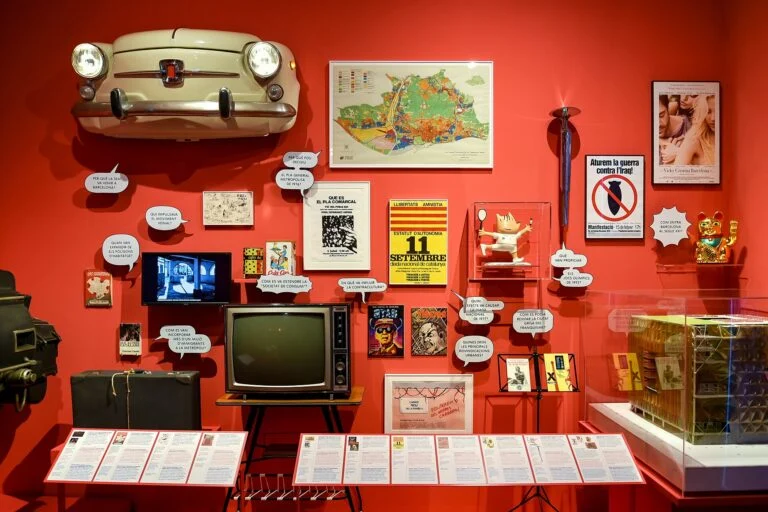
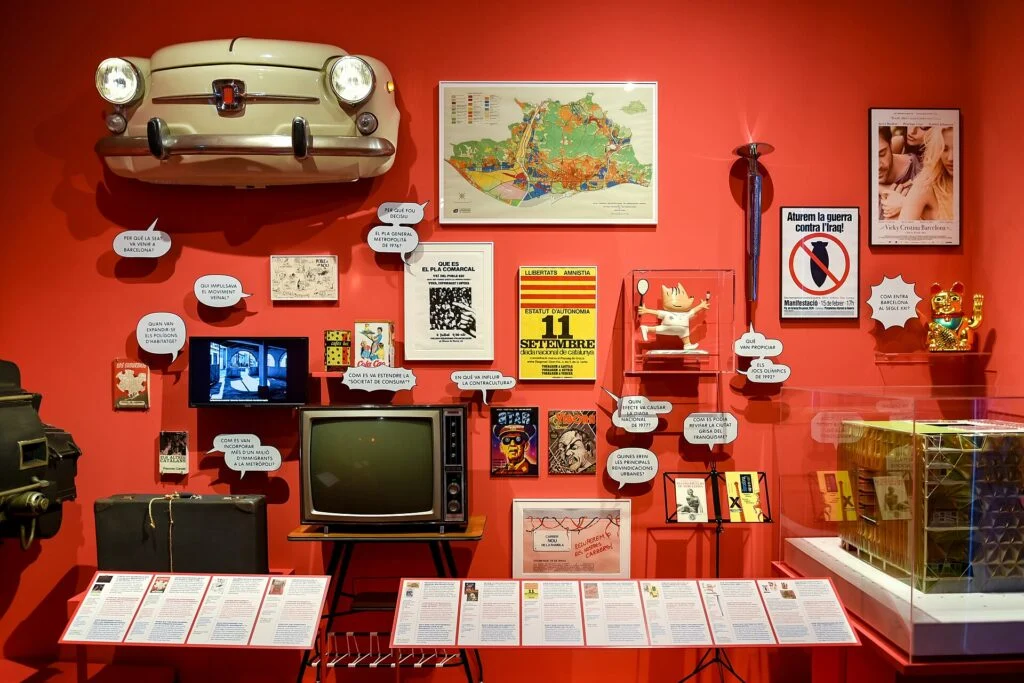
Additional exhibits cover the medieval period, reflecting the city’s role as a medieval commercial and political center. Artifacts related to urban development, trade, and daily life during this era are presented alongside architectural fragments uncovered around the old town. The progression into modern history is traced through documentation and objects relating to Barcelona’s expansion, industrialization, and the cultural movements that have defined the city’s identity.
MUHBA also manages other historic sites and underground locations, offering a broader perspective on Barcelona’s development in phases. While many visitors focus on the Roman ruins under Plaça del Rei, there is a network of less frequented locations that display graffiti, industrial remains, and remnants of civil war history. This breadth of sites enhances the museum’s appeal to those with a genuine interest in the city’s multifaceted story.
While the museum’s displays include clearly labeled artifacts and detailed explanatory materials, some areas might require prior knowledge or a keen interest in archaeology and urban history to fully appreciate the scope and significance of the exhibits.
Building and Setting
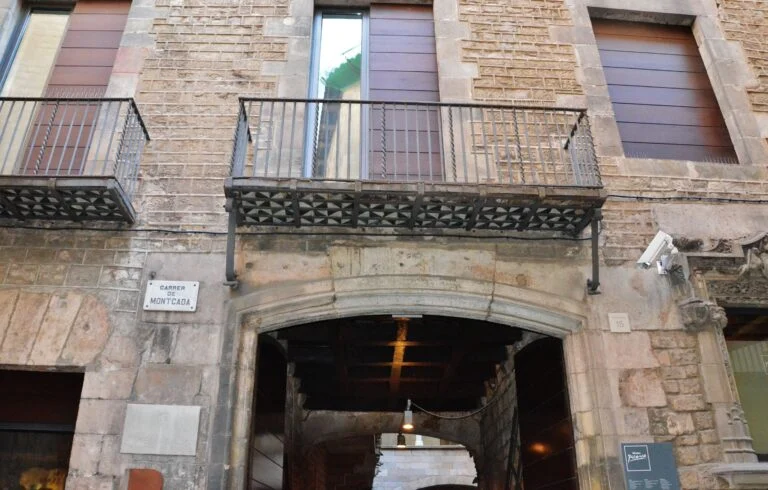
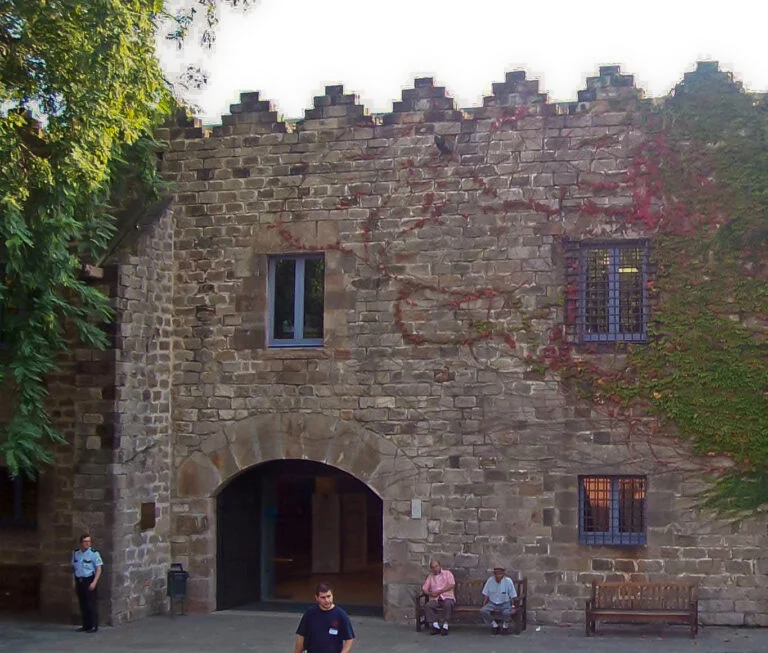
The Museu d'Història de Barcelona’s main complex is embedded in the Gothic Quarter, one of Barcelona’s oldest neighborhoods. This historic district features narrow medieval streets, ancient buildings, and squares that still carry traces of their past. The museum itself occupies a series of connected medieval palaces, including parts of the former royal palace (Palau Reial Major), which add an atmospheric backdrop to the archaeological display.
Most notably, MUHBA uses underground spaces beneath Plaça del Rei for its Roman ruins exhibition. These subterranean areas are accessed through the museum and allow visitors to walk among preserved sections of the Roman city’s walls, houses, and streets. The contrast between the medieval and Roman layers is striking and offers a physical sense of historical depth.
The setting benefits from its location in a central, historically significant area of Barcelona, making it convenient to combine a visit with walks around other landmarks of the old city. However, the layout of the museum’s subterranean spaces means that visitors should be prepared for some level of stair climbing and uneven ground, a factor to consider for those with mobility concerns.
Practical Information
For prospective visitors, it is advisable to consult the museum’s official website or contact them directly for the most up-to-date information regarding opening hours, ticketing, accessibility, and guided tours. These details can vary seasonally or due to local regulations. While the museum typically supports visits by individual tourists and small groups, confirmation is recommended for special arrangements or educational groups.
The museum is located in a busy area with many other attractions nearby, so timing a visit can help avoid peak tourist periods. Visitors should also be aware that while the museum’s main narratives are presented in multiple languages, some information, especially on-site signage within the Roman ruins, may be limited primarily to Catalan and Spanish, which could affect accessibility for international visitors with limited language proficiency.
Photography is generally allowed in many parts of the museum, but restrictions might apply to certain exhibitions or areas, so visitors should check current policies before taking pictures.
Why Visit
The Museu d'Història de Barcelona offers a distinctive chance to explore Barcelona’s origins through physical remains never far from the surface of the bustling modern city. For those with a curiosity about urban evolution, archaeology, or the roots of this Mediterranean metropolis, MUHBA provides a grounded and multifaceted experience.
Visitors interested in the Roman period will find the museum’s archaeological sites particularly informative, offering rare access to intact ruins beneath city streets. Additionally, the museum’s range of locations and periods covered—stretching from the Roman era through medieval times and beyond—furnishes a layered understanding of how historical forces shaped Barcelona’s physical and cultural fabric.
That said, the museum’s focus is predominantly historical and archaeological rather than artistic or broadly cultural. Those looking for narrative-driven presentations or dazzling artifacts of material culture might find the approach more restrained and detail-oriented rather than theatrical or highly interpretive. The museum’s value lies more in its authenticity and the direct connection to the city’s past visible in stone and artifact than in high-tech presentation or extensive contextualization.
In summary, MUHBA is best suited to visitors who appreciate history that is embedded in place and material remains. It offers rich historical insights for students of archaeology, history enthusiasts, and anyone wanting to deepen their understanding of Barcelona beyond the usual surface-level sights. It complements well a broader itinerary of Barcelona’s architectural and cultural landmarks. As always, confirming practical details before planning a visit will ensure an informed and smooth experience.