National Corvette Museum Review
Tickets & Tours
Compare ticket options and guided tours from trusted booking partners.
We may earn a commission if you book through these links.
Historical Context
The National Corvette Museum in Bowling Green, Kentucky, occupies a distinctive place in the landscape of American automotive culture. Founded in 1994 and opened to the public in 199 Corvette production was firmly entrenched in U.S. manufacturing by that point, yet the museum represented a significant institutional recognition of the Corvette as an object of both popular enthusiasm and historic value. The location itself aligns with the proximity to General Motors’ Bowling Green Assembly Plant, where Corvettes have been produced since 1981, grounding the museum’s collection in a living industrial context. The museum’s establishment reflects broader trends of motorsport commemoration and car collecting in America from the late 20th century onwards, where specialized museums began to codify the heritage of specific models or marques.
The Corvette, first unveiled in 1953, holds an unusual status among sports cars due to its blend of American manufacturing, design innovation, and cultural symbolism. Often cited as an expression of postwar optimism and technological ambition, the Corvette’s evolution over decades mirrors shifts in automotive engineering, design preferences, and American tastes. The museum explores this trajectory not as isolated artifacts but as part of a continuous story that also touches on industrial processes, community identity, and automotive passion. Over the decades since its inception, the museum has expanded physically and conceptually, seeking to balance the display of historic vehicles with education about mechanical innovations and the social environments shaping Corvette production and enthusiasts.
What You See on Arrival
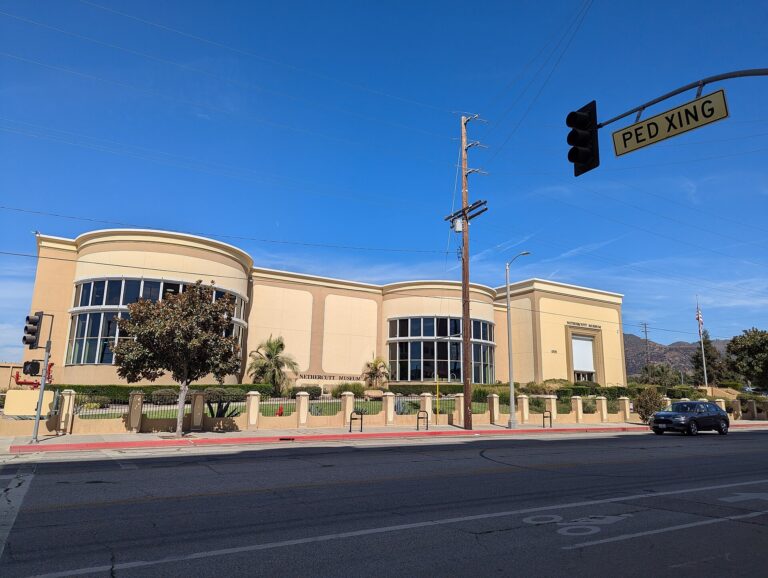
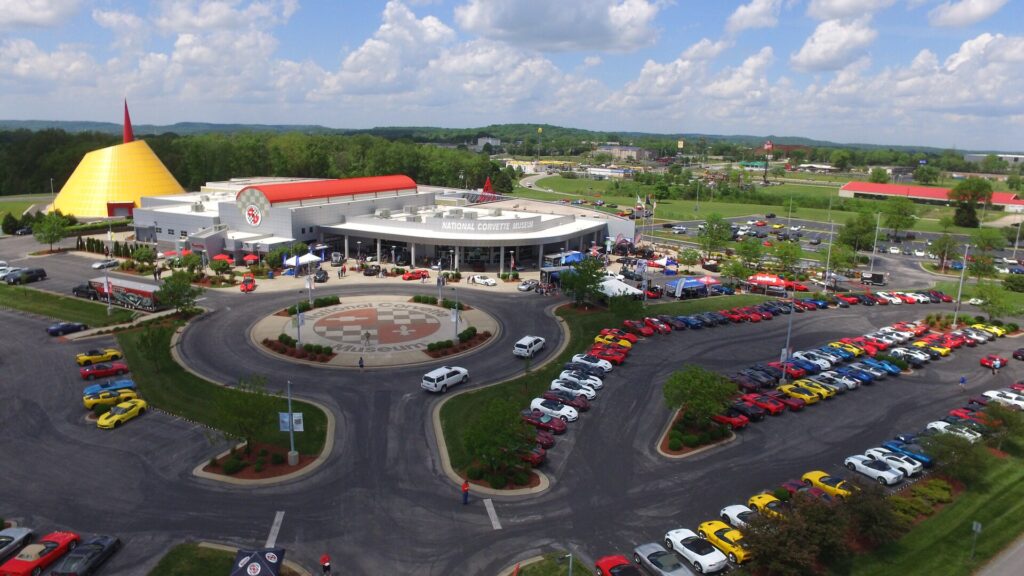
Approaching the National Corvette Museum, visitors encounter a building whose design clearly signals a focus on the car as both a machine and a cultural icon. The exterior’s clean lines and substantial glass surfaces hint at the museum’s dual character as showroom and archive. The entrance area is typically organized to frame the Corvette as an object of admiration and curiosity, setting expectations that the museum is both a celebration of design and a site for historical insight.
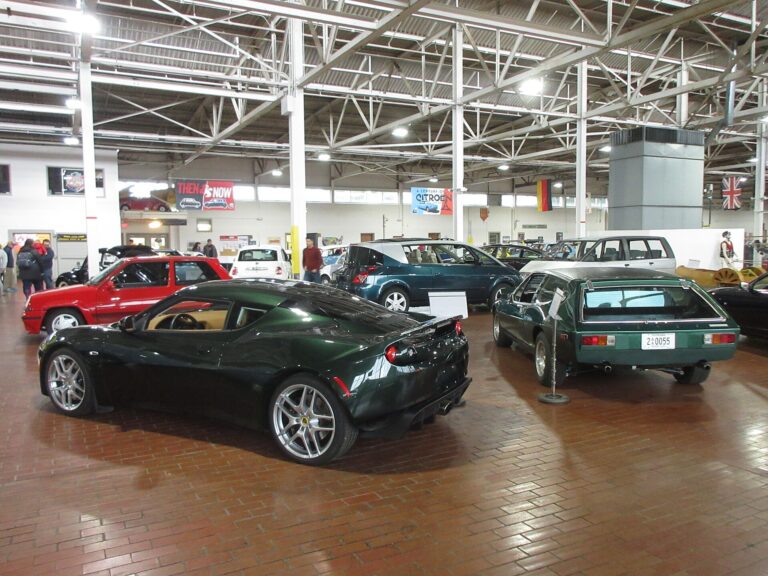
Inside, the initial impression is of open space designed to highlight vehicles without excessive clutter. The layout tends to emphasize the car’s form and engineering elements, using ambient lighting and display stands that allow visitors to circulate comfortably around the vehicles. Visual and textual materials are positioned thoughtfully but with restraint, permitting visitors to focus on the cars themselves while providing contextual information. The building’s architecture and interior design reflect a contemporary museum aesthetic geared towards clarity and flow rather than dense, overwhelming displays.
Overall, the first impression is one of a museum deeply focused on its subject matter, with intentional efforts to create a visual narrative about the Corvette’s place in American automotive history. The organization sets a tone of respectful presentation geared at enthusiasts and newcomers alike, yet the focus remains firmly on the artifacts rather than elaborate staging or interpretive overlays.
Highlights and Key Exhibitions
At the core of the National Corvette Museum’s appeal is its collection of Corvettes spanning the model’s production history. The collection comprises early examples from the 1950s, illustrating the initial postwar design approach combining American performance and styling cues inspired by European sports cars. These earliest vehicles demonstrate the hand-built craftsmanship and experimental spirit that set the foundation for later largescale production.
The museum pays close attention to each of the eight generation lineups, highlighting the technical and stylistic developments that marked each era. Examples from the C2 “Sting Ray” generation, introduced in the 1960s, reveal a shift towards sharper design, improved aerodynamics, and higher performance benchmarks. The 1970s and 1980s models reflect changes in regulatory environments and consumer expectations, balancing emissions and safety requirements with efforts to maintain the Corvette’s reputation as a sports car. More recent generations, such as the C7 and the C8, illustrate advances in materials, engineering, and even a shift in drivetrain configuration toward a mid-engine layout, underscoring the ongoing evolution of the model in both form and function.
Beyond the cars themselves, the museum incorporates exhibits on Corvette culture, including the community of enthusiasts and collectors who have played a role in shaping the model’s legacy. There are displays dedicated to racing history, highlighting the Corvette’s participation in various motorsport events, including endurance races and drag racing, where the vehicle achieved a competitive reputation. Memorabilia such as original design sketches, advertising materials, and engineering prototypes provide additional layers of understanding about the Corvette as a product of design innovation and marketing.
A notable permanent feature is the sinkhole exhibit, which preserves several Corvettes damaged during a 2014 sinkhole incident beneath the museum grounds. This display combines preservation with a narrative of continuity and resilience, giving a tangible sense of how events beyond factory walls affect car heritage and public memory. The retainment of these vehicles in situ offers a rare museum element that intersects geological forces with automotive history.
The museum also includes interactive exhibits related to the manufacturing process and automotive technology, which explore mechanical features such as engine design, chassis construction, and materials technology. While the technical depth varies, these components tend to appeal both to gearheads with a mechanical inclination and to less specialized visitors interested in the basics of car making.
Visitor Experience
The National Corvette Museum is designed with a broad audience in mind, from devoted Corvette fans and automotive enthusiasts to families and casual visitors curious about American car culture. The exhibition pacing generally balances static displays with labeled artifacts and occasional interactive elements, affording a relatively straightforward and accessible experience. Signage and audio descriptions, when available, provide clear explanations of the vehicles’ place in the model lineup and historical context, though they do not delve deeply into technical detail.
The space encourages leisurely viewing but is also well suited to shorter visits where visitors may want to sample highlights of Corvette history rather than move through a comprehensive timeline. For enthusiasts, the depth and variety of vehicles on display will likely satisfy a keen interest in the model’s design evolution, though those seeking an exhaustive technical or industrial history of General Motors or American sports cars in general may find the scope more focused than expected.
Interpretation emphasizes the Corvette as a symbol embedded in American culture, touching on innovation and performance without becoming overly specialized or academic. This balance makes the museum appropriate for families, motoring clubs, or international visitors interested in the American automotive story. However, the concentration on one vehicle model means visitors should anticipate a degree of repetition if they are less interested in car design or racing history, as contextual elements revolve primarily around the Corvette rather than broad automotive themes.
The flow between galleries is logical and unobstructed, with a layout that encourages exploration while facilitating a clear progression along a timeline of the vehicle’s development. Visitor facilities are designed to manage crowds comfortably, though peak periods related to major events at the nearby assembly plant or automotive gatherings could affect this.
Tickets, Access, and Planning
Prospective visitors should consult the museum’s official website for current information on opening hours, ticketing options, and availability of tours or guided experiences. As a specialized institution, the National Corvette Museum may have variable scheduling around special events or maintenance periods, which can influence access to some exhibits.
The museum is physically accessible and located in an area oriented toward visitors arriving by car, reflecting regional transportation patterns. While visitor amenities like cafés and shops are typical in such museums, specific facilities and accessibility details should be confirmed in advance. Visitors interested in combining the museum experience with a tour of the nearby factory or other automotive sites in the region will also benefit from checking up-to-date information on such offerings.
Final Verdict
The National Corvette Museum delivers a focused and well-structured presentation of an iconic American sports car’s history. It commands respect for its carefully curated collection of vehicles, which chart the Corvette’s evolution across multiple decades. The inclusion of cultural and industrial contexts enriches the narrative, while the rare sinkhole exhibit introduces an unusual aspect rarely found in car museums.
The institution’s concentration on a single model effectively tightens its identity but may limit appeal for those seeking a broad or comparative view of automotive history. At the same time, the museum’s clarity of presentation and attention to vehicle aesthetics and design innovations make it a substantial resource for enthusiasts and novices alike. Planning is advised to accommodate any special event scheduling or variable hours.
Ultimately, the National Corvette Museum succeeds in offering a solid, tangible look at the Corvette’s legacy, balancing technical explanation with cultural storytelling. It is a worthy destination for anyone intrigued by the American automotive landscape, though visitors should approach with an understanding of its specialized scope.