Nethercutt Collection Review
Automobile Museums · Sylmar, United States. The Nethercutt Collection, located in Sylmar, California, represents a unique and dedicated private museum that emerged from the vision and passion of J.B. Nethercutt and his family. Established initially as a home for his…
Automobile Museums · Sylmar, United States. The Nethercutt Collection, located in Sylmar, California, represents a unique and dedicated private museum that emerged from the vision and passion of J.B. Nethercutt and his family. Established initially as a home for his…
Best forMuseum lovers, culture travelers, first-time visitors
Review focusCollections, visitor experience, and practical planning
Historical Context
The Nethercutt Collection, located in Sylmar, California, represents a unique and dedicated private museum that emerged from the vision and passion of J.B. Nethercutt and his family. Established initially as a home for his extensive collections, the museum has grown into a significant institution centered on automotive history and mechanical artistry. The Nethercutt family's involvement in the automobile industry and their precise attention to restoration have shaped the museum’s character since its inception in the mid-20th century.
Though known primarily for its extraordinary collection of classic automobiles, the museum’s scope extends beyond cars to include fine mechanical musical instruments, antique furniture, and other period artifacts that contextualize the era these vehicles represent. This multidisciplinary approach reflects both an interest in preservation and an intent to present these vehicles as vibrant cultural objects, not merely transportation relics. Over time, the museum's reputation has solidified among car enthusiasts and collectors, emphasizing a consistent dedication to restoration authenticity and detailed presentation.
The museum’s location in Sylmar, a suburban area of Los Angeles, places it outside the more common metropolitan museum circuits, which helps preserve the intimate and focused atmosphere. Despite this, the museum has attracted widespread attention in collector circles and among historians of automotive design. It offers a distinctive American complement to large national collections elsewhere, focusing largely on 20th-century vehicles and associated cultural artifacts.
What You See on Arrival
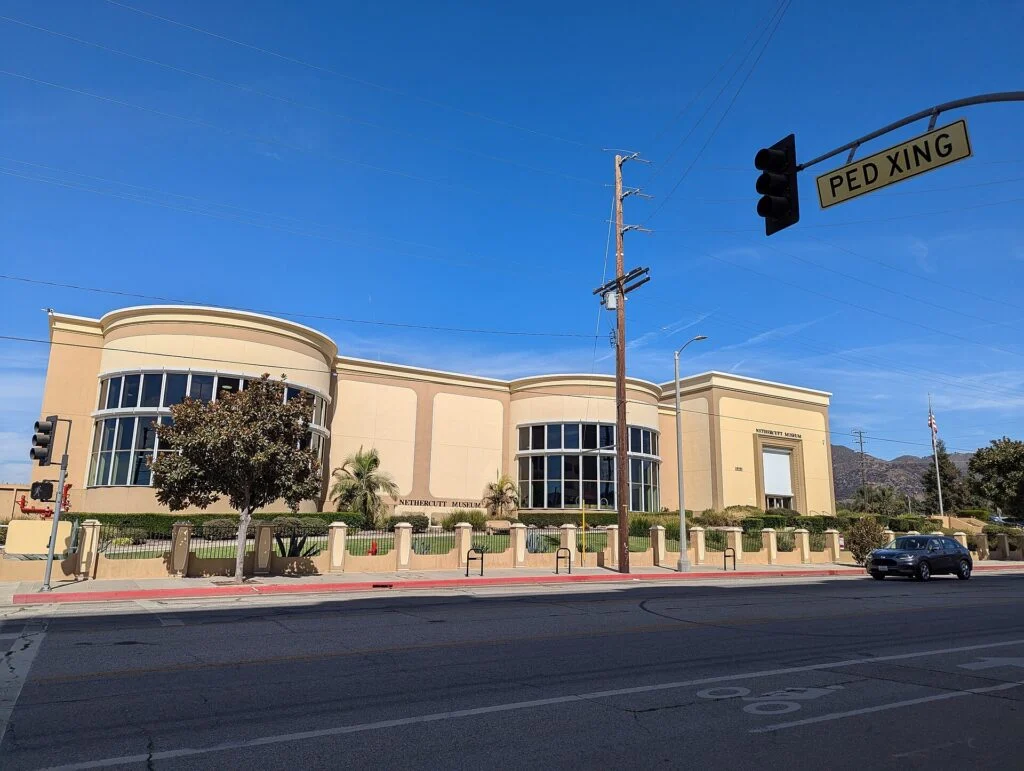
Approaching the Nethercutt Collection, visitors are likely greeted by a well-maintained estate-like setting that combines residential architectural elements with the scale of a dedicated museum space. Compared to large urban museums, the Nethercutt’s setting projects a sense of refined exclusivity and specialized focus. The entrance and external presentation do not overwhelm visitors with grandiose signage or expansive plazas; rather, they suggest a curated, almost private experience where delicate cultural treasures are preserved behind secure grounds.
Upon entry, the visitor’s orientation is guided by a layout that frequently recalls the feel of a private collection opened to the public, rather than a typical large-scale museum environment. The buildings housing the collection are designed not only for display but also for conservation, with carefully controlled light and temperature conditions important for protecting delicate upholstery, finishes, and historical patina.
The museum creates an immediate emphasis on craftsmanship and historical narrative. Visitors quickly understand that the institution’s identity revolves around detailed preservation and authentic restoration rather than contemporary art or broad ethnographic displays. The Nethercutt Collection’s exterior and front spaces frame an experience that promises a specialized look at mid-to-late 20th-century technological art and design.
Highlights and Key Exhibitions
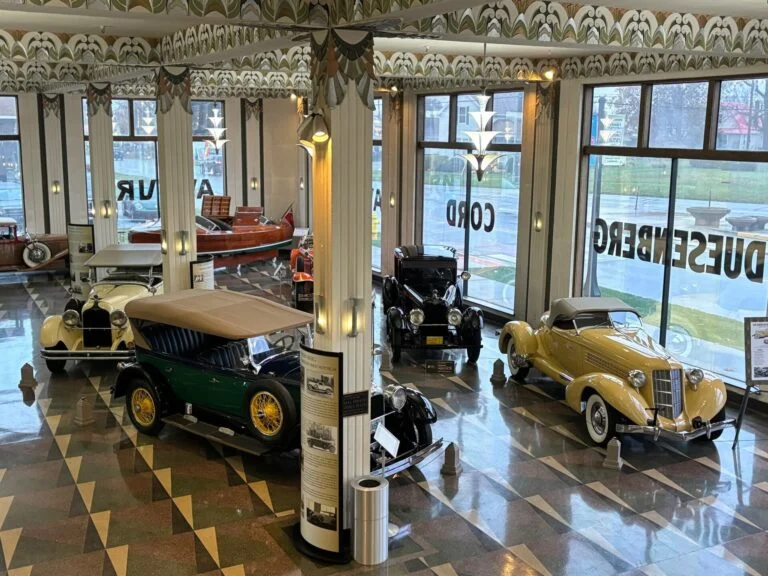
At its core, the Nethercutt Collection is synonymous with its automotive holdings, rivaling many major car museums in the breadth, condition, and historical significance of its pieces. The museum’s collection is anchored by a remarkable assembly of classic cars, including notable marques such as Duesenberg, Bugatti, Rolls-Royce, and Packard. J.B. Nethercutt’s passion for restoring these vehicles to factory-original condition gives the vehicles a near-new appearance that combines historical accuracy with the allure of functional art.
The restoration work itself is a centerpiece. Visitors should expect to see vehicles not only preserved but painstakingly returned to original specifications, which emphasizes detail on every component—chrome, paint, interior materials, and engine parts. This exactitude appeals to scholars of automotive design and restoration, setting a high standard for private car museums.
In addition to the automobiles, the collection includes a fine selection of mechanical musical instruments. This includes orchestrions, coin-operated music machines, and other automated instruments dating from the late 19th through early 20th centuries. These mechanical marvels provide insight into the technology and entertainment culture contemporary with many of the automobiles. While some museums display musical instruments solely as peripheral objects, at the Nethercutt they provide an integral context that enriches the narrative of the main collection.
There are also valuable examples of period furniture and decorative arts that complement the vehicles and instruments. The attention to interior design elements situates the collection within a broader framework of 20th-century luxury and style. Exhibits in this vein communicate the lifestyle aspects attached to many of the vehicles, including how owners of such cars might have furnished homes contemporaneously.
A unique aspect of the Nethercutt Collection is that all objects are presented in settings that encourage comparison and appreciation within a single timeline of design and technological developments. The visitor can trace changes in aesthetic and engineering across decades, following trends that reflect shifting American tastes and innovation.
The arrangement also extends into smaller, specialized displays, such as detailed dashboards or engine parts, which appeal to those interested in the technical side. There is an evident dual focus on both surface beauty and the underlying mechanics, a balance that many similar institutions do not achieve with the same level of commitment.
Visitor Experience
The visitor experience at the Nethercutt Collection, based on layout and known operations, is likely to be calm and contemplative rather than bustling. The museum’s size and the nature of its audience—often collectors, historians, and enthusiasts—suggest a setting conducive to focused observation. The relatively limited visitor numbers compared to larger public museums prevents overcrowding and allows a more personalized encounter with the objects on view.
Interpretive materials are likely to emphasize technical details, historical context, and restoration philosophy. Potential visitors with casual or general interest in cars might find some explanations more technical than necessary, yet those with background knowledge or particular enthusiasm will appreciate the depth. Non-specialists can still enjoy the variety and craftsmanship but may benefit from visiting with a prior understanding of automotive history to fully engage.
The museum is not designed as a family attraction or interactive environment, so those expecting hands-on or multimedia presentations might find the experience somewhat traditional and static. However, this should be seen as a reflection of the collection’s nature rather than a drawback. The displays are structured for appreciation rather than entertainment, and this suits a specific, detail-oriented audience best.
Pacing through the exhibit should allow ample time to examine each vehicle and associated artifacts closely, but cumulative fatigue is possible due to the density of information and visual richness. Visitors who plan their visit carefully, perhaps breaking it up with breaks or revisits to smaller sections, will get the most from the experience.
Tickets, Access, and Planning
Details regarding tickets, admission policies, and visitor logistics should be verified directly through the Nethercutt Collection’s official website. Due to the museum’s private origins and specialized collection, admission conditions may differ from larger public museums. Information about discounts, advance booking, or group tours, if offered, could also be subject to change.
Given the museum’s suburban Los Angeles location, it is reasonable to assume that car travel is the primary means of access. Public transportation options may be limited and should be researched if a visit without a car is planned. Accessibility features may be available but likewise require confirmation from official sources to ensure they meet individual needs.
Visitors should also verify any current health and safety protocols in place at the time of visit, as these may affect opening hours or capacities. There is no publicly available comprehensive information about on-site amenities such as cafés or shops, so visitors should plan accordingly.
Final Verdict
The Nethercutt Collection stands as a specialized institution dedicated to the intersection of automotive art, mechanical craftsmanship, and historical luxury design. Its collection is distinguished by the impeccable condition of its vehicles, meticulous restorations, and the complementary inclusion of mechanical musical instruments and decorative arts. For those with a serious interest in automotive history or mechanical art, the museum offers a highly focused and rich experience that is uncommon in private collections.
The museum’s strengths lie in its detailed presentation and expert curation, appealing particularly to enthusiasts and scholars who can appreciate the technical and aesthetic nuances of mid-20th-century vehicles and their contemporaneous cultural artifacts. It is less geared towards general audiences or casual visitors who might prefer more interactive or interpretively broad museums.
Limitations of the museum might include its relatively narrow thematic focus and somewhat traditional presentation style, which might not engage visitors looking for multimedia or hands-on elements. Its suburban location and potential access restrictions might also require careful planning by visitors.
Overall, the Nethercutt Collection should be regarded as a highly respected niche museum offering a specialized, carefully preserved window into automotive heritage and related cultural forms. Prospective visitors should consult the official museum website for up-to-date visitor information, ticketing details, and any operational notices before planning their visit. The collection’s value lies in the depth and quality of its holdings, presenting an opportunity to explore automotive history through well-preserved objects and the associated cultural artifacts from a distinct and personal perspective.