EAA Aviation Museum Review
Aviation Museums · Oshkosh, United States. The EAA Aviation Museum, located in Oshkosh, Wisconsin, serves as a dedicated repository for the history and variety of recreational and experimental aviation. It is operated by the Experimental Aircraft Association (EAA), an organizati…
Aviation Museums · Oshkosh, United States. The EAA Aviation Museum, located in Oshkosh, Wisconsin, serves as a dedicated repository for the history and variety of recreational and experimental aviation. It is operated by the Experimental Aircraft Association (EAA), an organizati…
Best forAircraft fans, engineering history, family visits
Review focusAircraft collections, flight history, and visitor planning
Historical Context
The EAA Aviation Museum, located in Oshkosh, Wisconsin, serves as a dedicated repository for the history and variety of recreational and experimental aviation. It is operated by the Experimental Aircraft Association (EAA), an organization founded in 1953 that has long championed the interests of homebuilt and sport aviation enthusiasts. Throughout the mid-20th century, general aviation and personal aircraft building grew in popularity, in part due to technological advancements and increased public interest in flying as a hobby and lifestyle. Oshkosh itself became linked to aviation not only for its geographic location in the Midwest but also for hosting the annual EAA AirVenture event, which is among the preeminent airshows worldwide.
The museum opened in 1983 as an extension of EAA’s mission, turning its attention to preserving the stories behind a wide range of aircraft and aviation innovations. The collection reflects the organization’s roots in grassroots aviation, spotlighting homebuilt planes and pioneering constructors alongside more traditional military and commercial aircraft. The historical arc presented connects early 20th-century developments with ongoing modern contributions, emphasizing aviation as a living, creative field rather than solely a historical artifact. This institutional context positions the museum as both a nod to amateur aviation culture and a broader showcase of flight history.
What You See on Arrival
Upon approaching the EAA Aviation Museum, visitors are greeted by a facility designed to communicate aviation’s storied past and present ambitions. The museum sits prominently near the Wittman Regional Airport, directly linking it to active aviation. Large aircraft are visible in and around the complex, instantly setting the tone for the visitor’s experience. Adjacent to the museum is an airfield that supports flying activities, reinforcing the museum’s operational connection to aviation practice rather than purely exhibition.
The exterior makes clear the museum’s theme through signage and display elements, projecting an identity anchored in the narrative of recreational and experimental flight. Visitors can expect a spacious interior designed to accommodate a varied collection of historic aircraft. The entrance signals a focus on the hobbyist and builder tradition in aviation, a contrast to institutions devoted primarily to commercial or military aviation history. The initial impression is one of a museum bridging past and present with a particular focus on innovation at the grassroots level.
Highlights and Key Exhibitions
The core strength of the EAA Aviation Museum lies in its extensive and eclectic collection of aircraft, which ranges from early biplanes to more recent homebuilt designs. The museum showcases thousands of aircraft and thousands of artifacts, including engines, tools, aviation art, and flight memorabilia. The collection is anchored by hallmark aircraft central to recreational and amateur aviation history. For example, well-known designs such as the original Wright Flyer replicas, classic Piper Cub models, and notable racing aircraft feature in displays illustrating both technological milestones and cultural narratives within aviation communities.
A distinctive character of this museum is its emphasis on experimental aircraft, which often represent unique, one-of-a-kind designs produced by individual builders or small companies. These aircraft demonstrate not only technical ingenuity but also the creative spirit underpinning much of 20th-century American aviation innovation. The exhibits present these machines with detailed accounts of their creators, construction processes, challenges, and accomplishments. This personal dimension makes the collection stand out from more traditional aviation museums that focus mainly on standardized military or commercial aircraft.
Beyond aircraft themselves, the museum houses a library and archive dedicated to the documentation of personal aviation history, preservation projects, and the broader culture of flying. Exhibits delve into themes such as the evolution of homebuilding techniques, the impact of regulatory changes on recreational flying, and the community-building aspects of EAA’s annual fly-in event. The museum also hosts restoration projects on-site, which visitors can sometimes observe, emphasizing the ongoing nature of aviation heritage work.
Throughout the gallery spaces, interpretation includes detailed technical information alongside personal photographs, letters, and artifacts that place the machines in human context. The museum does not focus heavily on military aviation, although it includes some fighter aircraft and trainers relevant to experimental aviation history. Instead, it offers a niche view balancing engineering storylines with social history, which will appeal mainly to enthusiasts interested in the making and maintaining of personal aircraft.
Visitor Experience
The EAA Aviation Museum is a large, open facility that allows for varied visitor pacing. The extensive collection means that visitors can choose to focus tightly on certain periods or aircraft types, or they can take a broader tour covering decades of aviation development. For those new to aviation, the exhibition materials can be technical, especially regarding aircraft construction and engineering details. However, the museum provides a wealth of background information to help contextualize these aspects.
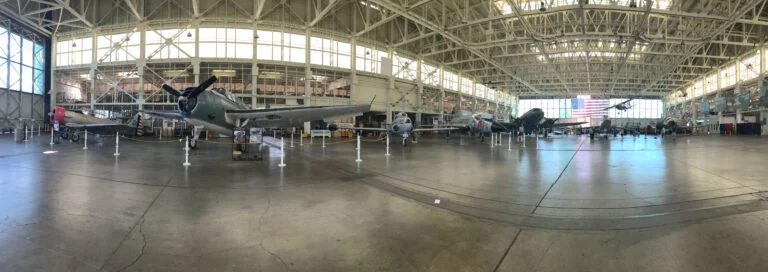
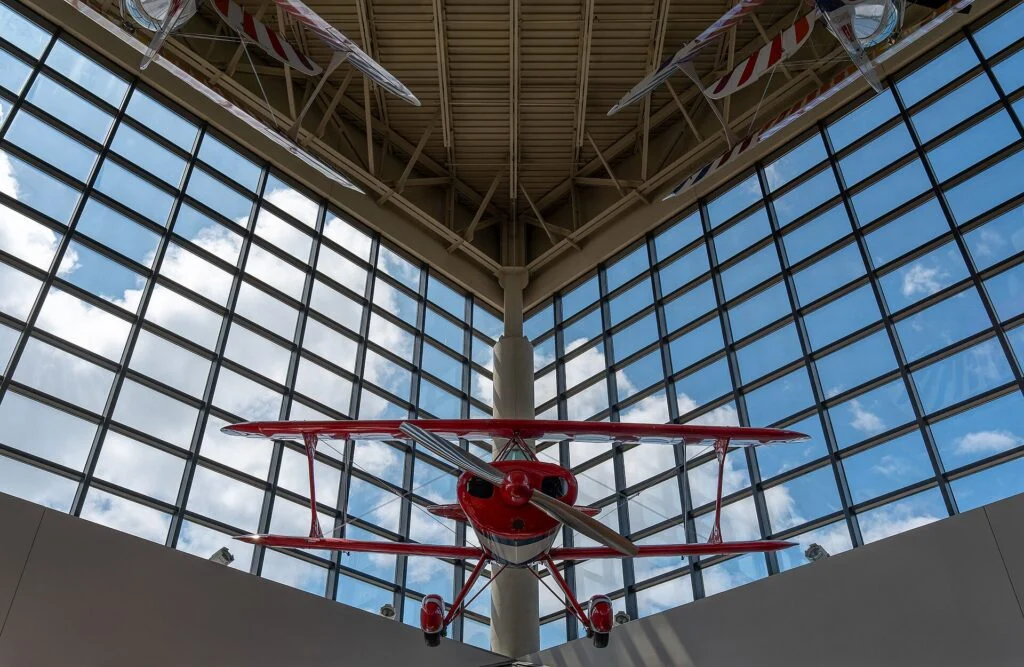
Families and casual visitors with limited aviation knowledge might find some technical exhibits dense, but the visual impact of many aircraft suspended or displayed in hangar-like spaces offers an engaging and tangible experience. The museum is likely most rewarding for visitors with at least a moderate interest in aviation history or mechanics, as the depth of its collection invites close inspection of design variations and innovations.
Interpretation varies between traditional labeling and more narrative-driven content, but there is generally clear signage explaining the purpose, design, and historic significance of displayed aircraft. Some exhibits include multimedia or interactive components, though these are not the primary emphasis. The museum largely favors physical artifacts and historic documentation over high-tech presentation methods.
Visitor flow benefits from the open hangar layout; distractions are few, allowing focused engagement with exhibits. However, the size and scope can require effective planning, especially during major aviation events in Oshkosh, when the site sees higher visitor numbers. In those periods, the adjoining airfield’s activity adds vibrancy but may require time management if combining museum exploration with airshow attendance.
Tickets, Access, and Planning
Prospective visitors should verify current operational details via the official website, as the museum’s hours and admission policies may vary seasonally or with special events. The museum’s location in Oshkosh, on the shores of Lake Winnebago in Wisconsin, makes it accessible by car, and its proximity to the area’s primary airport offers potential convenience for travelers arriving by air.
Because the museum is integrated with active aviation operations, noise and outdoor activity may be part of the visitor experience. This connection enhances authenticity but might pose planning considerations for those sensitive to noise or seeking quieter settings.
There is no reliable public information confirming the availability of guided tours or audio guides, so visitors should prepare for a self-directed experience with printed or digital materials available on-site. Those intending to visit during large-scale events like the EAA AirVenture should anticipate larger crowds and potentially limited parking or increased travel times.
Accessibility details are often important for a broad audience but do require confirmation from official sources to ensure accommodations meet individual needs. Similarly, the museum’s amenities such as dining or retail facilities warrant checking in advance for the most accurate current information.
Final Verdict
The EAA Aviation Museum occupies a distinct niche within the landscape of aviation museums, offering focused documentation and celebration of experimental, homebuilt, and recreational aviation. Its collection and interpretive approach are well suited to audiences with an interest in the technical and personal stories behind amateur aircraft construction and flying. Unlike large-scale national institutions emphasizing military or commercial aviation history, this museum provides insight into a distinctive aspect of the aviation world that is often underrepresented: the passionate community of builders and flyers who shape aviation on a personal level.
Strengths include a comprehensive collection that covers a broad time span, a clear institutional identity tied to the Experimental Aircraft Association’s mission, and a presentation style that facilitates both close inspection of aircraft and understanding of the cultural context. The presence of restoration initiatives and archival materials adds depth beyond static exhibitions.
Potential visitors should be prepared for a substantial technical component within the exhibits and may want to bring some prior knowledge or curiosity about aviation mechanics and history to fully appreciate the content. The site’s active airfield location enhances authenticity but might influence the sensory environment.
In practical terms, verifying current visitor information before planning a trip is necessary due to possible seasonal changes and event-related adjustments. This museum will reward those specifically interested in aviation as a DIY, creative pursuit but may feel niche or specialized for audiences seeking broad or general aviation narratives.
Overall, the EAA Aviation Museum offers a focused, detailed look at an important but sometimes overlooked aviation tradition, providing value to enthusiasts, historians, and technically minded visitors. It is a useful and insightful institution that complements broader aviation museum offerings through a unique emphasis on experimental aircraft and the communities that produce them.