Lane Motor Museum Review
Automobile Museums · Nashville, United States. The Lane Motor Museum is located in Nashville, Tennessee, and is dedicated to the preservation and display of unique and often unconventional automobiles. Founded in 2002 by Jeff Lane, a car collector and enthusiast…
Automobile Museums · Nashville, United States. The Lane Motor Museum is located in Nashville, Tennessee, and is dedicated to the preservation and display of unique and often unconventional automobiles. Founded in 2002 by Jeff Lane, a car collector and enthusiast…
Best forClassic cars, automotive design, motoring heritage
Review focusVehicle collections, design history, and visitor planning
Historical Context
The Lane Motor Museum is located in Nashville, Tennessee, and is dedicated to the preservation and display of unique and often unconventional automobiles. Founded in 2002 by Jeff Lane, a car collector and enthusiast with a particular interest in European vehicles and small-scale automotive design, the museum reflects a highly specific vision. Rather than concentrating on mass-produced American muscle cars or luxury vehicles, the Lane Motor Museum is known for its focus on rare, quirky, and small-displacement automobiles from across the globe, emphasizing engineering innovation and cultural diversity in car design. The collection includes many European microcars as well as displaced curiosities, bringing niche vehicles to a public audience that might not otherwise encounter them.
Its establishment in Nashville ties it somewhat outside the more traditional American automotive museum circuit traditionally centered around Detroit or Los Angeles, marking it as a city-specific point of interest that appeals to a particular kind of car enthusiast — namely, those interested in automotive oddities and the story of engineering experimentation. The museum’s founder has worked over two decades to amass a collection that challenges mainstream ideas about car history, focusing on cross-cultural narratives in automotive design and the vehicles' roles in different societies throughout the 20th century.
What You See on Arrival
Approaching the Lane Motor Museum, visitors are met with a somewhat understated exterior that avoids grand architectural statements. The museum itself occupies a building that is functional and spacious but does not engage with the kind of visual spectacle sometimes associated with large-scale transport museums. This design choice aligns with its mission: the emphasis here is squarely on the vehicles themselves rather than the setting.
The entrance area frames the narrative immediately through subtle design cues and displays that introduce the visitor to the museum’s central themes—the eccentricity of the microcar, European automotive innovation, and an emphasis on utility and design over horsepower or luxury. The lobby and initial spaces set expectations that this is a collection driven by curiosity, engineering exploration, and cultural variety rather than car fan idealization or entertainment spectacle.
This framing makes it clear to visitors that the focus is on discovery and education through uncommon vehicles, rather than a chronological or typological progression of mainstream models. It positions the museum as a niche repository, which may be particularly appealing to visitors with an interest in the social and mechanical context of automobiles rather than simply their aesthetic or power characteristics.
Highlights and Key Exhibitions
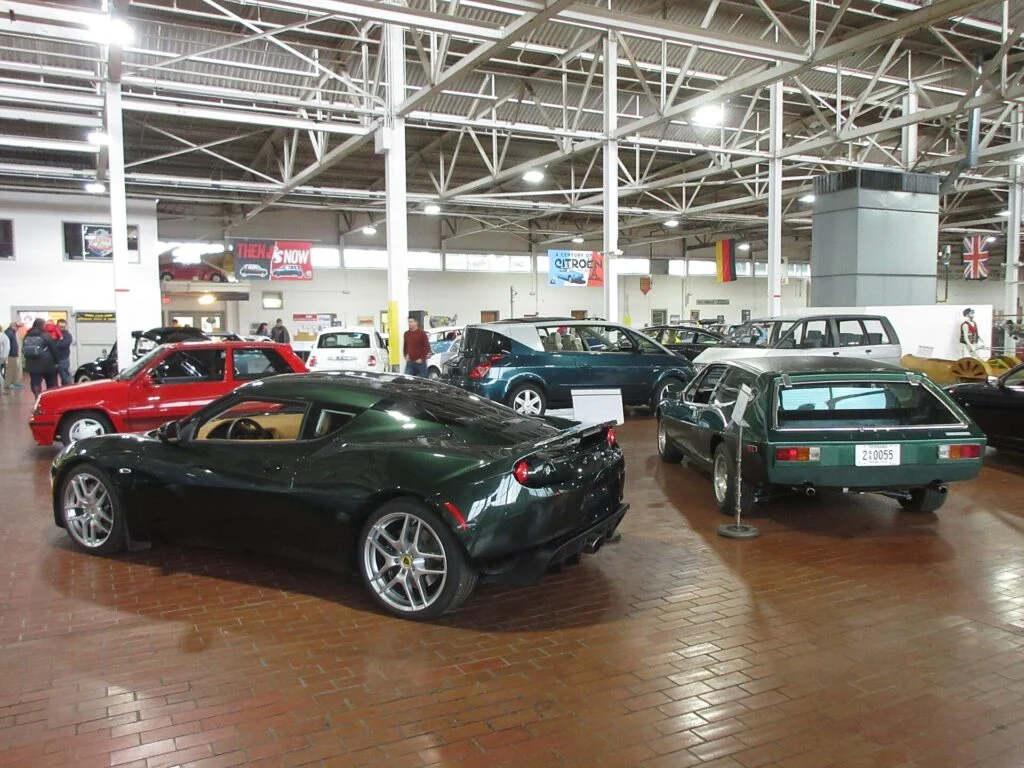
The core appeal of the Lane Motor Museum lies in its collection’s diversity and specificity. It comprises roughly 500 vehicles, although not all are on permanent display. What draws attention first are the numerous microcars, many of which are European imports rarely seen outside specialists’ collections. These include vehicles such as the Messerschmitt, a bubble-car influenced by post-war manufacturing shortages; the Heinkel Trojan; and various three-wheeled machines from the 1950s and 1960s. These vehicles are culturally significant for their representation of economies, ingenuity, and user needs in the immediate postwar era.
Beyond microcars, there are also unexpected choices in the museum’s inventory. The presence of amphibious vehicles, military transports, and peculiar prototypes underscores a willingness to collect automotive technology in all its experimental forms. This focus sets the Lane Motor Museum apart from more traditional automobile museums that concentrate on production cars or racing legends.
The European emphasis is particularly notable. Lane’s selection demonstrates how compact, efficient vehicles held critical importance in countries where fuel economy and urban environment dictated design priorities. For instance, the prevalence of small displacement scooters and microcars illustrates social contexts different from the American love of size and power. This allows for a more comparative understanding of automobile history often absent from U.S.-based automotive collections.
Another distinctive feature is the inclusion of cars manufactured by smaller, often defunct companies, which have been preserved precisely because they represent mechanical or industrial histories that mainstream museums overlook. This gives the collection a boutique feel but also makes it highly educational for those interested in automotive innovation beyond popular brands.
Interpretive materials are generally concise and oriented toward explaining the mechanical or social rationale behind the vehicles rather than focusing on celebrity, customization, or pop culture associations. This can be considered a strength for visitors seeking factual and technical insight, though it may limit appeal for those expecting entertainment-focused or highly multimedia-oriented content.
Visitor Experience
For visitors planning to engage with the Lane Motor Museum, the experience is oriented toward careful exploration rather than rapid walking-through. The layout is straightforward, enabling a logical flow from one section to another, usually organized by vehicle typology or geography. This can help visitors develop a coherent understanding of the variations in automotive design choices across different regions and time periods.
The museum suits visitors with an active interest in engineering, industrial design, or international automotive history. Because of its specialized content, it likely appeals less to general audiences unfamiliar with automotive culture or uninterested in smaller, obscure vehicles. However, those with an eye for craftsmanship, historical context, or those intrigued by automotive oddities will find much to engage with.
Interpretive signage and labels focus on key technical details, production data, and contextual background, but there is less emphasis on storytelling or personal narratives that might otherwise enhance visitor engagement. This may make the experience a bit academic for some, but it provides clear and focused information for those genuinely interested in the vehicles themselves.
Crowd levels at the museum are generally low, due to its specialized nature and location. This can allow for an unhurried pace and close inspection of vehicles, a notable advantage for serious enthusiasts and researchers. The absence of excessive noise or distractions enables visitors to concentrate on the details, whether mechanical or aesthetic.
While the museum does not aim for a highly interactive approach, its straightforward design and emphasis on clear presentation help visitors absorb details without frustration. However, the lack of a significant multimedia component — such as films, interactive displays, or virtual tours — might disappoint those hoping for more dynamic engagement. Furthermore, the absence of frequent rotating exhibitions or special themed displays could lead to a somewhat static experience on repeat visits.
Tickets, Access, and Planning
The Lane Motor Museum encourages potential visitors to check its official website before planning their visit, especially to confirm current opening hours, ticketing policies, and any available discounts or booking requirements. As a smaller institution, it may have limited staff or specific hours that can fluctuate seasonally or due to special events.
Information about group visits or guided tours is not prominently advertised, which suggests that visitors should prepare for a self-guided experience. This fits the museum’s efficient, no-frills approach but may require visitors interested in deeper interpretation to do some preparatory work.
The museum’s location in Nashville means it can serve both local residents and tourists with an interest in automotive culture. Its proximity to downtown and related cultural institutions may make it a reasonable addition to a broader itinerary. However, visitors should consider transport options ahead of time. While general accessibility details are not exhaustive online, any visitor with mobility concerns or needing special accommodations should confirm availability with the museum in advance to avoid surprises.
Overall, planning a visit to the Lane Motor Museum involves realistic expectation-setting. This is not a large institution with extensive visitor infrastructure. The emphasis is on the collection itself rather than visitor services. Those prepared to engage with a focused, niche museum will benefit most.
Final Verdict
The Lane Motor Museum occupies an unusual position in the landscape of American automotive museums. By concentrating on rare and unconventional vehicles, especially European microcars and prototypes, it offers depth rather than breadth. This specialization makes it a valuable resource for those interested in alternative automotive histories, small-scale engineering feats, and cross-cultural perspectives on car design.
At the same time, its limited size, quiet presentation style, and focus on factual rather than interpretive storytelling mean it is not designed for casual visitors or those seeking entertainment-oriented museum experiences. The absence of dynamic exhibitions or wide-ranging interpretive programs can result in a static atmosphere, which in turn influences how accessible the collection is to a broad audience.
That said, the museum’s collection quality and the thoughtfulness of its curation make it a noteworthy site. It presents automobiles as objects of design and social history rather than status symbols or artifacts of celebrity. The relatively low visitor density enhances the ability to engage with the vehicles in a focused way.
For visitors to Nashville curious about automotive design beyond the expected, or for students of automotive history and engineering, the Lane Motor Museum offers a concentrated look at one aspect of the global story of motoring. Its commitment to preservation and education in this specialized area makes it an important, if modest, institution. Prospective audiences should approach it with clear interests and measured expectations but will find a rewarding encounter if that match is made.