Ethnographic Museum Zagreb
Ethnographic Museums · Zagreb, Croatia. The Ethnographic Museum Zagreb is a dedicated institution focusing on the study and display of cultural traditions and lifestyles from Croatia and beyond. As an ethnographic museum, its main concern is with material culture—tools,…
Best forMuseum lovers, culture travelers, first-time visitors
Setting / nearbyZagreb, Croatia
Overview
The Ethnographic Museum Zagreb is a dedicated institution focusing on the study and display of cultural traditions and lifestyles from Croatia and beyond. As an ethnographic museum, its main concern is with material culture—tools, textiles, costumes, household objects—and with preserving the tangible heritage of various ethnic groups, primarily those from Croatia’s diverse regions. Such museums often serve both academic research and public education by providing insights into everyday lives, belief systems, and social customs. Located in the Croatian capital, this museum contributes to Zagreb’s cultural landscape by offering visitors an understanding of the country’s social history through artifacts and exhibitions that capture cultural diversity and continuity.
Collection Highlights
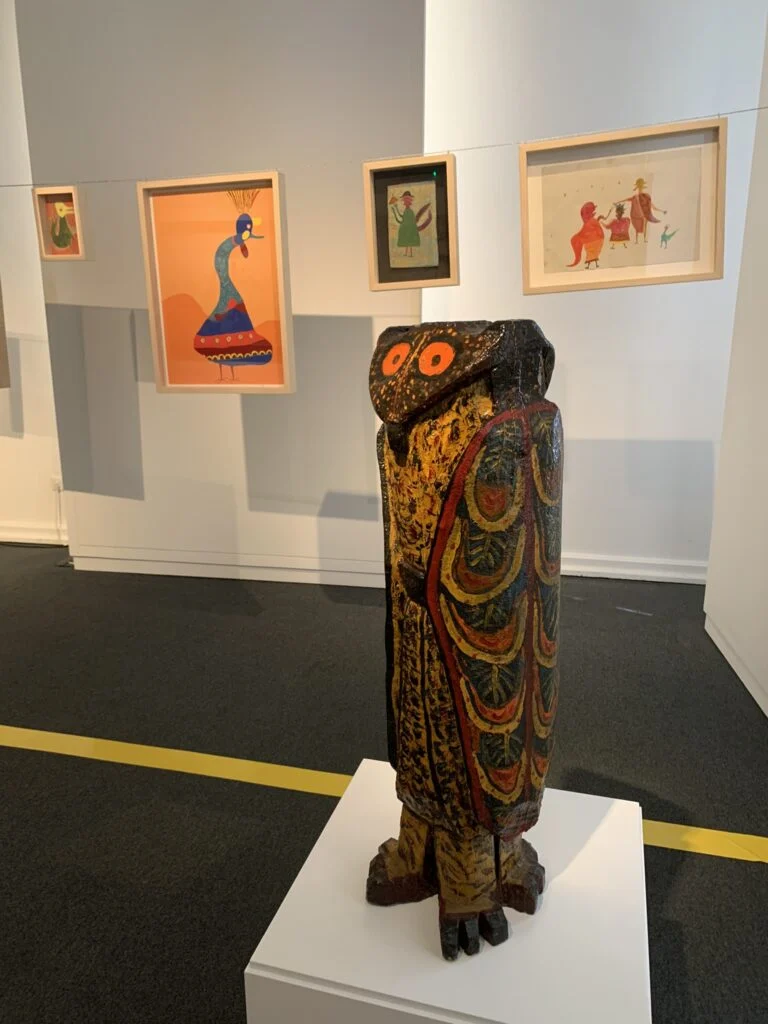
At the heart of the Ethnographic Museum Zagreb is a collection that spans rural and urban traditions, reflecting Croatia’s rich regional variations. One can expect to see folk costumes representing different Croatian regions, showcasing distinct embroidery, weaving, and tailoring techniques passed down across generations. These garments illustrate varied identities and social roles within communities, often connected to festivities, rites of passage, or specific historical periods.
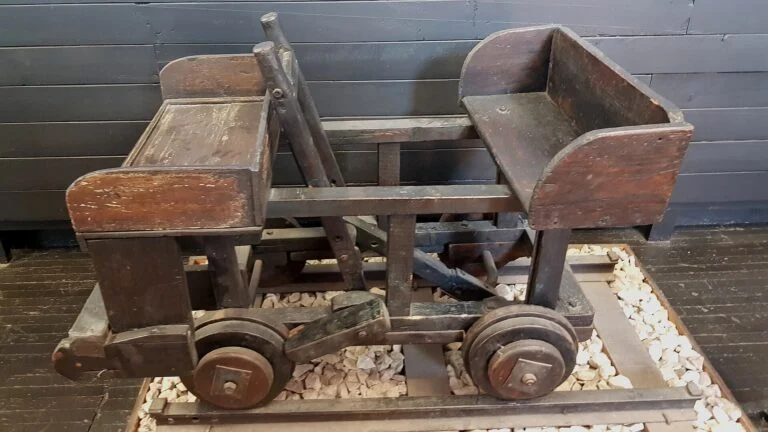
The museum also holds collections of household items, from traditional kitchen utensils and furniture to agricultural tools, illustrating modes of life before modern industrialization. Ceramics, jewelry, and decorative arts complement the narrative, emphasizing both functionality and artistic expression in everyday objects. Such artifacts may originate not only within Croatia but also from ethnographic contexts across the Balkans and occasionally beyond, reflecting cultural exchanges or influences.
In addition to material culture, the museum likely presents photographic archives and documents that help contextualize the objects in their social environment. Exhibitions may highlight themes such as rural customs, traditional crafts, music, and oral traditions, offering a multi-dimensional view of cultural heritage. Visitors interested in folk music or dance might find related displays or occasional performances integrated with the collection.
The museum’s approach tends to balance scholarly depth with accessibility, allowing visitors of diverse backgrounds to engage with the material. Its displays often convey the story of cultural adaptation and survival amidst changing political and economic conditions throughout the 19th and 20th centuries. This is important given Croatia’s complex history within different state formations and ethnic mosaics.
Building and Setting
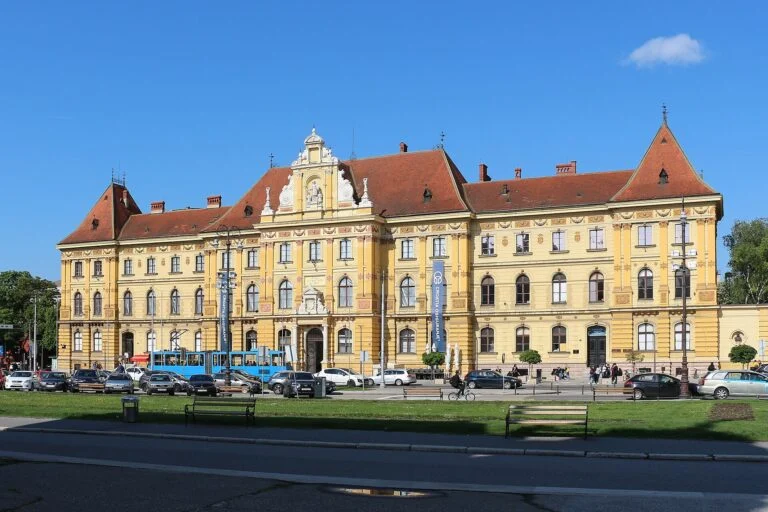
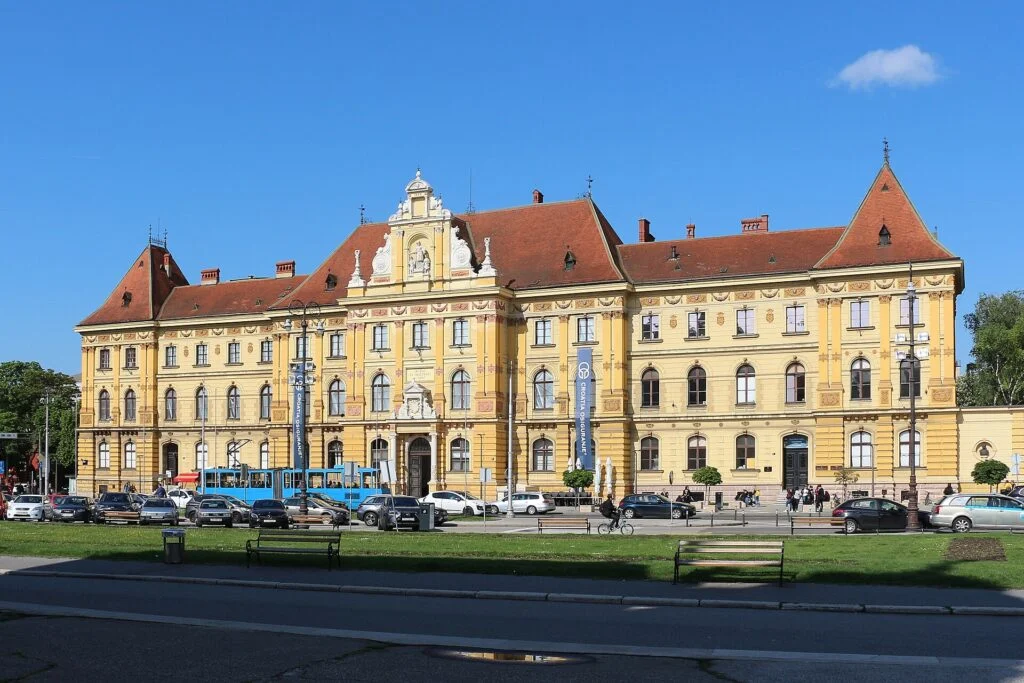
The Ethnographic Museum is housed in a building that matches its urban context in Zagreb. While the specific architectural style and history of the building may vary, it typically reflects a functional design suited to museum use, with exhibition halls, storage, and research areas. Its location in the city means it is reasonably accessible for tourists and locals alike, often close to other cultural institutions or public transport routes.
The museum’s setting within Zagreb allows it to participate in broader cultural circuits and public programs, possibly hosting temporary exhibitions, workshops, or educational activities. The immediate surroundings may provide some insight into urban life or contrasting environments compared to the rural traditions represented inside.
Practical Information
For up-to-date practical details such as opening hours, admission fees, accessibility options, guided tours, and educational services, potential visitors should consult the museum’s official website or contact the institution directly. Because hours and conditions can change, especially due to public health considerations or special events, relying on official sources ensures accurate planning.
The museum space may suit visitors with an interest in ethnography, cultural anthropology, or Croatian history. It is useful to consider personal interests and physical requirements when planning a visit, as exhibitions might involve several floors or detailed text panels. The museum is unlikely to be overwhelming in size but may offer enough depth to engage serious enthusiasts or researchers.
Why Visit
The Ethnographic Museum Zagreb offers a focused look at Croatian and regional cultures through tangible artifacts rarely encountered in other cultural venues. Its dedication to ethnographic objects means visitors can gain familiarity with everyday objects that shaped people's identities and social practices in historical and sometimes contemporary contexts.
Unlike larger historical or art museums, this institution narrows its scope to the lifeways of communities rather than grand narratives of state or political power. This emphasis provides understanding of cultural diversity at a human scale, highlighting local craftsmanship, customs, and the social meanings embedded in material culture.
While it may not appeal to those looking for broad general history or contemporary art, this museum will suit those with an interest in folk culture, traditional crafts, and the anthropology of daily life. It’s a place for thoughtful exploration of cultural heritage that encourages reflection on how communities adapt and preserve their ways of life.
Nonetheless, visitors should be aware that ethnographic museums can sometimes feel specialized or narrowly focused. Exhibitions often depend heavily on text and detailed interpretation, which might require patience and curiosity to fully appreciate. The setting in Zagreb makes it convenient for combining with other cultural visits, but expectations should be aligned with the museum’s theme and style.
In summary, the Ethnographic Museum Zagreb contributes a significant voice to Croatia’s museum landscape by preserving and presenting cultural heritage rooted in the everyday. It invites visitors to consider identity, tradition, and cultural memory through objects and stories that shape communities across time. For those interested in understanding the cultural fabric of Croatia from a grassroots perspective, this museum offers a worthwhile, if somewhat specialized, experience.