Museum of Contemporary Art Zagreb
Art Museums · Zagreb, Croatia. The Museum of Contemporary Art Zagreb (Muzej suvremene umjetnosti) is Croatia’s principal institution dedicated to contemporary and modern art, located in the capital city, Zagreb. Established with a mission to collect, preserve, and present…
Best forArt lovers, visual culture, architecture
Setting / nearbyZagreb, Croatia
Overview
The Museum of Contemporary Art Zagreb (Muzej suvremene umjetnosti) is Croatia’s principal institution dedicated to contemporary and modern art, located in the capital city, Zagreb. Established with a mission to collect, preserve, and present works from the mid-20th century onward, it charts the shifting terrain of art from post-war developments through to the most recent trends. This public art museum stands as a significant cultural resource for both residents and international visitors who seek an understanding of how global and regional artistic practices have evolved in a Croatian and broader European context.
Unlike traditional fine art museums that often concentrate on older periods or a single artistic style, this museum focuses explicitly on the rapidly changing and diverse expressions of 20th- and 21st-century art. Its position in Zagreb ties it closely with the cultural history and post-socialist transformation of the region. The museum is also involved in exhibitions, publications, and educational activities, serving as an active platform for dialogues between artists, critics, and the public.
Collection Highlights
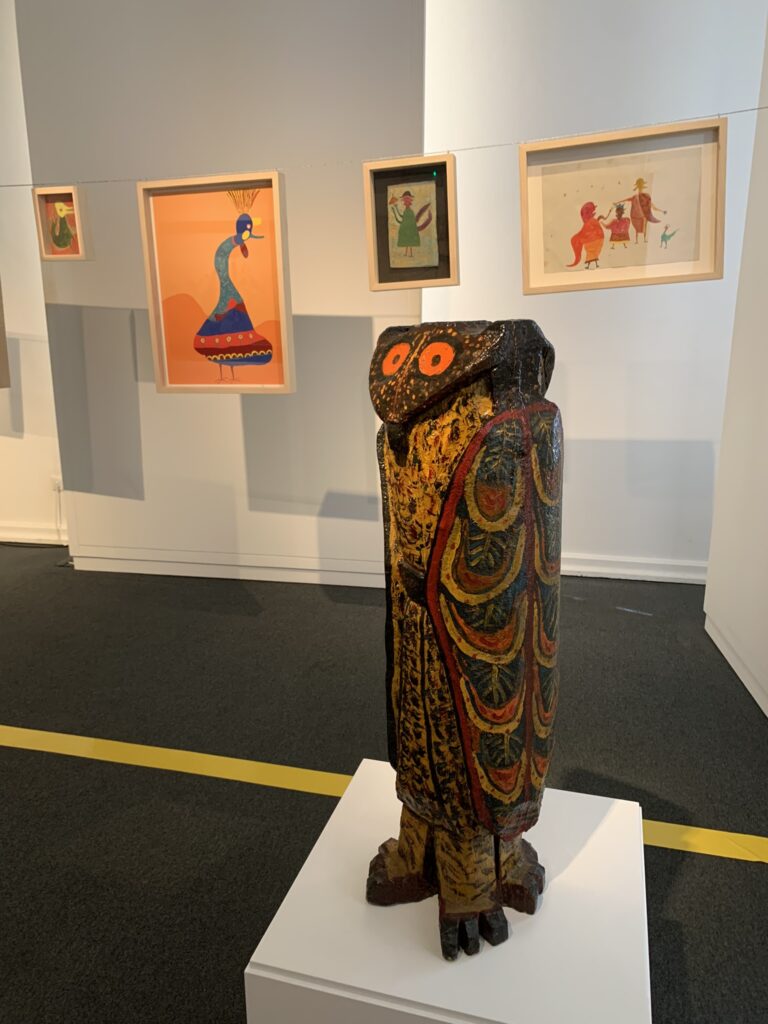
The core strength of the museum lies in its extensive collection of modern and contemporary Croatian art alongside international works. The collection includes paintings, sculptures, installations, video art, and experimental media. Visitors can expect to see art movements that range from Yugoslav avant-garde and abstract art to conceptual pieces reflecting recent global dynamics.
Among the notable focuses are artworks from the 1950s onward which represent the region’s encounters with informal art, new media, and emerging conceptual movements. This includes important Croatian artists, many of whom played a role in European post-war artistic dialogue. The museum also collects and exhibits pieces from Central and Eastern Europe, emphasizing the dialogue between local and international narratives.
Permanent displays often rotate or are reconfigured to reflect new acquisitions or thematic exhibitions. These temporary exhibits allow for more dynamic engagement with contemporary issues and artistic experimentation. Visitors should be prepared for a variety of media and presentation formats, including video installations and performance documentation that require attentive viewing.
Building and Setting
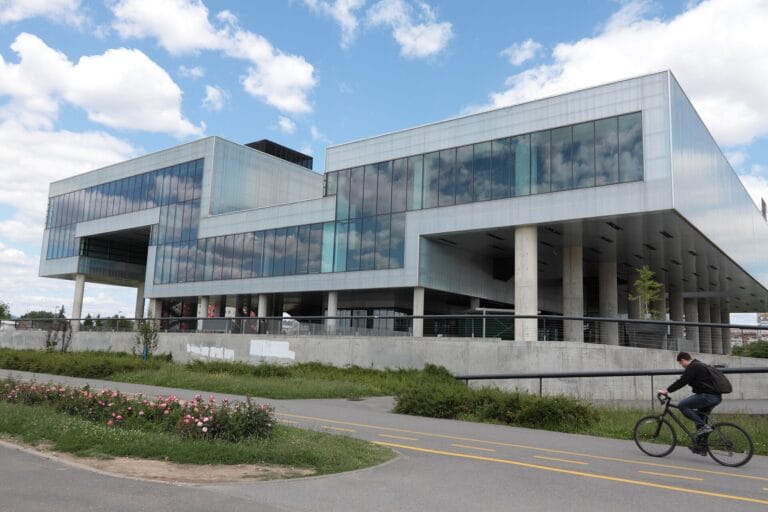
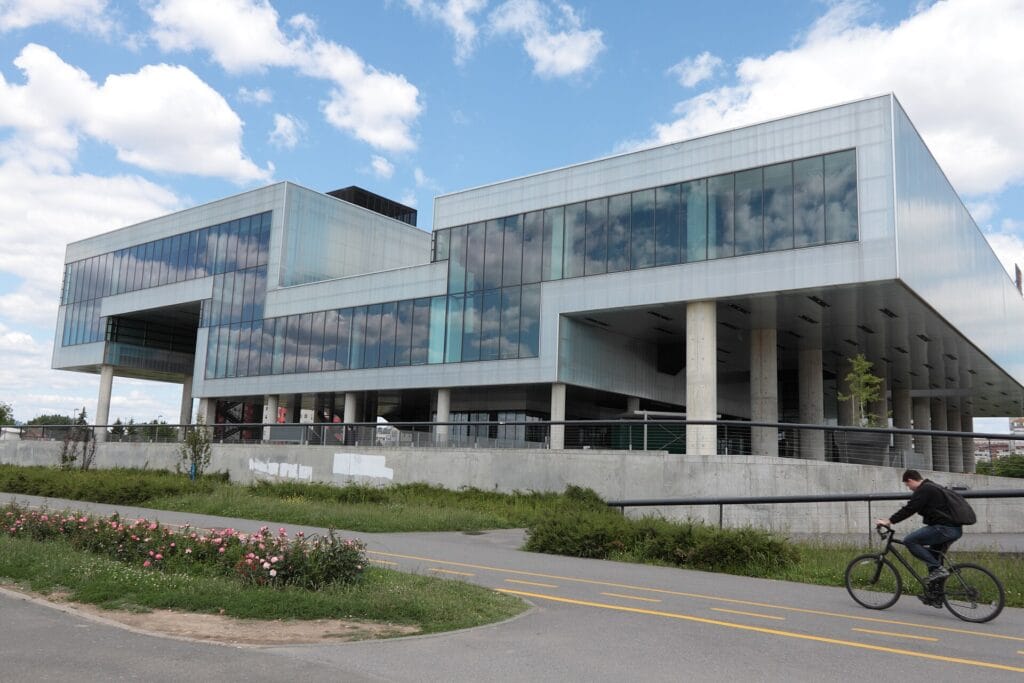
The museum’s building was opened in 2009 and was designed specifically to house the contemporary collection, providing large, flexible exhibition spaces that suit the diverse and often large-scale nature of the artworks it holds. Architecturally, the building features a modern design with clean lines and open galleries, aimed at enhancing the visitor’s experience of contemporary art by offering ample natural light and clear sightlines.
It is situated in Novi Zagreb, a part of the city known for its urban developments in the post-World War II period. The museum’s setting away from the historic old town underscores its commitment to modernity and innovation in the arts. The surrounding area includes parks and public spaces, which occasionally link to outdoor installations or events connected to the museum.
Practical Information
Potential visitors should check the museum’s official website before planning a visit for the most current and verified information about opening hours, ticketing, guided tours, and any special programming or closures. The museum’s location in Novi Zagreb is accessible by public transport from the city center, but directions and transportation details should be confirmed closer to the time of visit.
There is a single centralized entrance, and the layout is designed to accommodate the flow of visitors through its galleries efficiently. However, as with many contemporary art spaces, some installations may require careful movement or temporarily dimmed lighting, meaning visitors with particular accessibility needs should inquire further ahead of their visit.
Because of the considerate integration of various media and scale, the museum can be especially engaging for people with an interest in post-1945 artistic developments or those studying cultural transitions in Eastern Europe. The museum shop and café facilities are located on site, but visitors should verify their availability at present.
Why Visit
The Museum of Contemporary Art Zagreb offers a specialized experience focusing on recent art history primarily from Croatia and its regional context. For anyone curious about how art has reflected and contributed to social and political change in this part of Europe, the museum offers a window that is rare outside the region. The diversity of media and the dynamism of the exhibitions invite visitors to explore not only painting and sculpture but also video, installation, and conceptual art.
This institution suits a wide range of visitors: art students and researchers will find important material for study; casual visitors interested in visual culture can encounter works that challenge traditional notions of art; and longtime contemporary art followers have the opportunity to explore artists less familiar outside the Croatian context.
One limitation to consider is that contemporary art, especially with conceptual or experimental works, may not always provide an immediate or straightforward encounter for all visitors. Some artworks presume familiarity with recent history or contemporary debates, and the museum’s interpretation can sometimes lean toward the academic or theoretical. On the other hand, the atmosphere is generally open and inviting, making it worthwhile to engage with the art even if some of the content requires additional reflection.
In summary, the Museum of Contemporary Art Zagreb is a clear example of a national museum devoted to recent art developments, balancing local identity with broader European and global artistic currents. It complements other cultural sites in Zagreb by offering a more current and experimental perspective on art, making it a valuable part of the city’s cultural offering. Visitors should come prepared to encounter art that is active and evolving rather than fixed, making the museum a place for both discovery and renewed reflection on the meaning of art today.