Croatian Museum of Naïve Art
Art Museums · Zagreb, Croatia. The Croatian Museum of Naïve Art in Zagreb presents a specialized and focused experience, concentrating on the unique artistic tradition known as naïve art. This museum is one of the few institutions worldwide dedicated…
Best forArt lovers, visual culture, architecture
Setting / nearbyZagreb, Croatia
Overview
The Croatian Museum of Naïve Art in Zagreb presents a specialized and focused experience, concentrating on the unique artistic tradition known as naïve art. This museum is one of the few institutions worldwide dedicated exclusively to this genre, which developed in Croatia with remarkable vigor during the 20th century. Naïve art here refers to the work of self-taught artists, often arising outside formal artistic education yet producing visually distinctive and culturally resonant pieces.
This museum occupies a particular place in the cultural fabric of Zagreb and Croatia at large, showcasing an art form that reflects rural and provincial life, often with a poetic or idiosyncratic approach. The collection captures a specific moment in Croatian artistic history, emphasizing the creative output of artists who worked independently from mainstream art movements, yet influenced regional and international understandings of naïve art. For visitors interested in art history outside the traditional academic canon, or in expressions of identity through folk and outsider art, this museum serves an instructive and inspiring role.
Collection Highlights
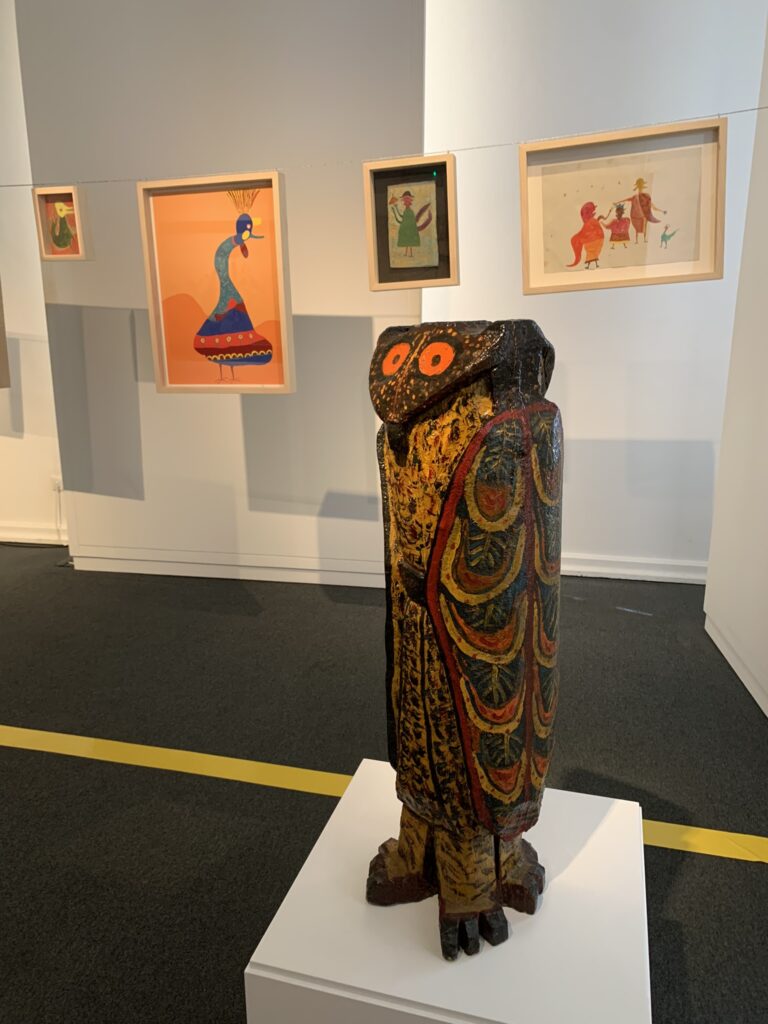
The Croatian Museum of Naïve Art houses a diverse assembly of paintings, drawings, and sculptures primarily created by Croatian naïve artists. The collection shines a light on key figures associated with the movement, such as Ivan Generalić, a central name whose work is often noted for its combination of precise technique and imaginative content. Alongside Generalić, visitors will find other noteworthy artists who contributed to the development of naïve art in Croatia and the wider Central European context.
Paintings on display typically feature detailed, vividly colored scenes, which range from idyllic rural landscapes to complex, narrative compositions touching on social and cultural themes. The works resist conventional perspectives and embrace a directness and sincerity of expression that can feel arresting and intimate. In addition to paintings, the museum’s holdings include smaller sculptures and graphic works that expand the understanding of naïve art beyond just canvases.
Certain periods and styles within the collection mark changes in the movement—such as the transition from purely folkloric representations to more symbolic and psychologically nuanced pictures. While the core of the collection is Croatian, the museum occasionally offers comparative works or exhibitions that situate Croatian naïve art in a broader international conversation, though these tend to be temporary rather than permanent.
Building and Setting
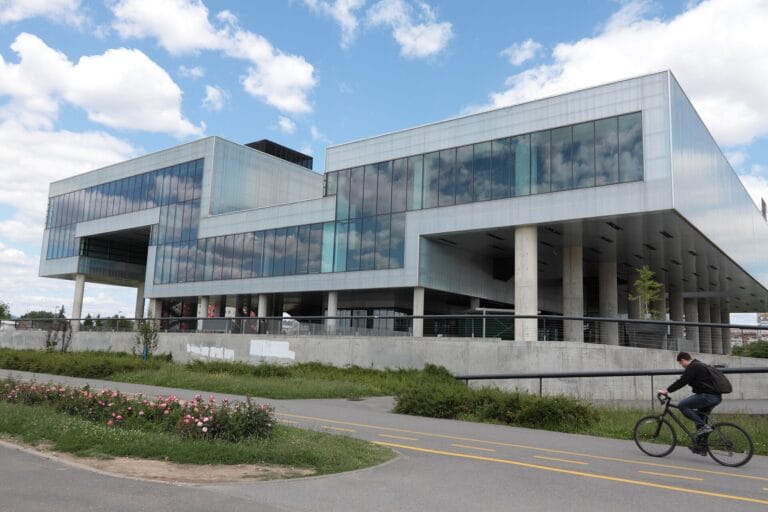
Located in central Zagreb, the Croatian Museum of Naïve Art occupies a purpose-built facility that reflects the museum’s status as a dedicated art institution. The building’s design and interior serve to frame the collection thoughtfully, with spaces arranged to encourage reflection on the artworks’ detail and thematic variety.
The museum’s position in Zagreb’s urban environment makes it accessible to visitors exploring the city’s other cultural institutions. While the setting does not include extensive gardens or outdoor components dedicated to the collection, the interior layout guides visitors through chronological and thematic pathways, which helps clarify the development of the naïve art movement in Croatia.
Because the museum focuses on a specific genre rather than a broad survey, it maintains a relatively contained scale that encourages a paced visit. Lighting and display conditions generally support close examination of brushwork and technique, elements important in appreciating naïve art’s distinct qualities.
Practical Information
For those planning a visit, it is advisable to confirm practical details such as opening hours, ticketing policies, and any special access provisions directly through the museum’s official website or contact points. Given the museum’s specialized nature, group visits or guided tours may not be uniformly available, and visitor services can vary seasonally or according to staffing.
Visitors should also check for temporary exhibitions or events which might influence opening times or the availability of certain parts of the collection. Since information about on-site facilities such as cafés, shops, or accessibility arrangements is not definitively detailed here, it is wise to seek updated information in advance to meet personal needs.
The museum’s location in Zagreb is generally well served by public transportation, but potential visitors might want to confirm connections and nearby parking options depending on their mode of travel within the city.
Why Visit
The Croatian Museum of Naïve Art serves as a focused exploration of an art form that occupies a distinct niche in the broader landscape of 20th-century art. For those interested in self-taught artistic traditions or in how regional cultural identities are expressed visually outside academic art circles, the museum offers a distinctive and coherent collection that merits attention.
The works on display provide insight into a movement characterized by creativity that often blends personal storytelling, folklore, and social observation. This can appeal to visitors who appreciate art that communicates directly and inventively through images that frequently disregard formal artistic rules without sacrificing complexity or emotion.
However, the museum primarily suits visitors with a particular interest in naïve art or Croatian cultural history rather than a general audience looking for a broad overview of modern art. The relatively small size of the institution means the collection is necessarily selective, and some visitors might find the focus narrower than other art museums in Zagreb.
In sum, this museum is a valuable destination for those seeking to understand a unique artistic phenomenon that helped shape Croatian artistic identity. It offers context, examples, and a carefully curated experience that reveals how art can flourish beyond mainstream frameworks. Visitors open to exploring art from fresh perspectives will likely find the Croatian Museum of Naïve Art a rewarding stop in the city.