Ethnographic Museum Zagreb Review
Ethnographic Museums · Zagreb, Croatia. The Ethnographic Museum Zagreb is one of Croatia’s key institutions dedicated to the preservation and presentation of cultural heritage, particularly related to the diverse peoples of the Croatian lands and beyond. Established in the…

Ethnographic Museums · Zagreb, Croatia. The Ethnographic Museum Zagreb is one of Croatia’s key institutions dedicated to the preservation and presentation of cultural heritage, particularly related to the diverse peoples of the Croatian lands and beyond. Established in the…
Best forMuseum lovers, culture travelers, first-time visitors
Review focusCollections, visitor experience, and practical planning
Historical Context
The Ethnographic Museum Zagreb is one of Croatia’s key institutions dedicated to the preservation and presentation of cultural heritage, particularly related to the diverse peoples of the Croatian lands and beyond. Established in the early 20th century, it has grown into a repository that reflects not only the nation’s ethnographic history but also broader regional traditions from Southeastern Europe. The museum has roots tied to the intellectual and cultural movements seeking to document local identities during a period when national and ethnic consciousness were prominent in the Austro-Hungarian and later Yugoslav contexts.
Throughout its existence, the museum’s mission has been to collect, conserve, and exhibit tangible and intangible elements of everyday life, craft, ritual, and social customs. This dedication places emphasis on folk culture, traditional crafts, clothing, and other material culture—offering a window into rural and urban life that has evolved over centuries. Situated in Zagreb, Croatia’s capital, it benefits from the city’s role as a cultural and academic hub. While the museum focuses heavily on Croatian materials, its collections also incorporate examples from neighboring Balkan communities and some ethnographic sources that represent the wider South Slavic population.
Over time, the Ethnographic Museum Zagreb has seen numerous expansions and shifts in curatorial approach. From initially cataloging objects for preservation’s sake, it now also aims to stimulate dialogue about ethnicity, identity, and social change. The museum’s layered history reflects Croatia’s complex political history in the 20th and 21st centuries, making it a potentially enlightening stop for those interested in how cultural narratives are constructed and maintained.
What You See on Arrival
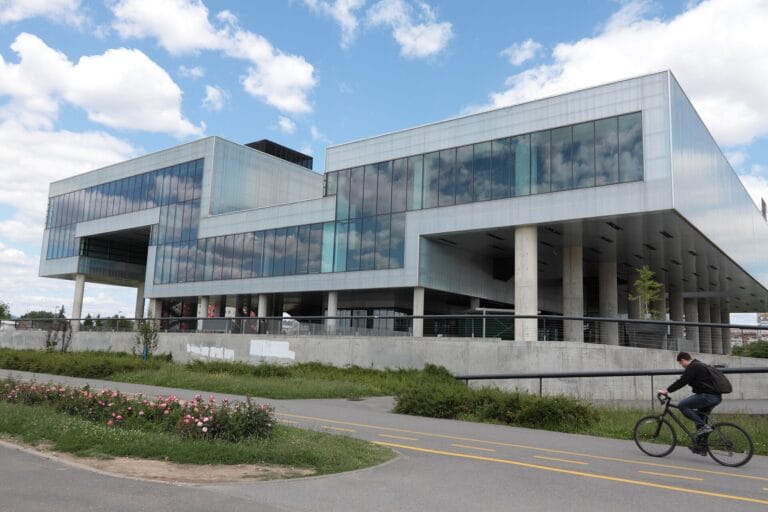
The Ethnographic Museum Zagreb occupies a prominent building in central Zagreb, designed in an architectural style that echoes early 20th-century institutional buildings, which lend it a stately and somewhat formal air. Visitors approaching the museum encounter an exterior that signals an emphasis on scholarship and cultural heritage rather than entertainment spectacle. The façade, with neoclassical details and clear signage, frames visitor expectations for a serious cultural institution.
The entrance area and lobby are generally designed to provide orientation without unnecessary distraction. This is a museum whose identity is firmly located in the academic and cultural preservation realm, rather than a leisure venue. One does not find grandiose welcome spaces here; instead, the setting prepares visitors for a more focused ethnographic experience. The introductory halls often present context on the museum’s history, mission, and the scope of its collections.
In this sense, the museum’s framing suggests it is particularly suited to visitors who appreciate detailed cultural and historical narratives and who are willing to engage thoughtfully with complex topics such as cultural identity, social structure, and tradition. There is enough traditional museum signage to orient guests, but the tone suggests a visitor prepared to study and contemplate, rather than browse for casual amusement.
Highlights and Key Exhibitions
The strengths of the Ethnographic Museum Zagreb lie in its extensive and carefully curated collections representing Croatian folk culture and material history. The museum’s holdings can be divided broadly into categories such as traditional costumes, everyday objects from rural and urban settings, ritual artifacts, tools and craft objects, and recorded ethnographic materials.
One of the most prominent sections focuses on traditional clothing from several Croatian regions. These garments are displayed with attention to detail, highlighting not just the aesthetic value but also their social and symbolic functions. The distinction between regional styles helps illustrate cultural diversity within Croatia itself, showcasing how different communities maintained separate identities through attire. These costumes are often accompanied by explanations of their role in social rituals such as weddings, festivals, and seasonal celebrations.
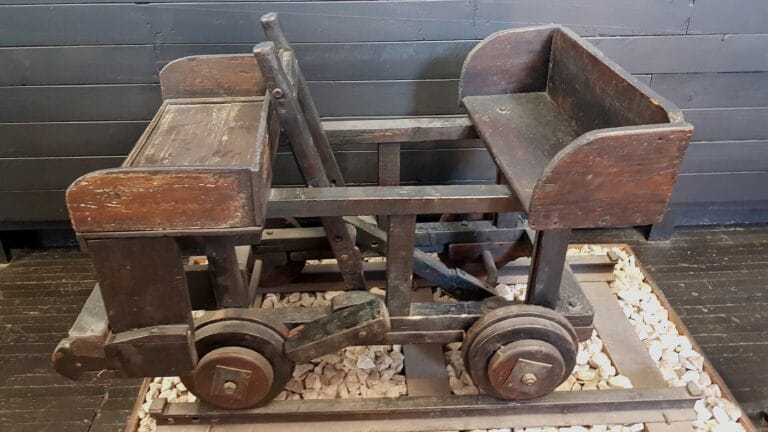
Another key area of the museum is devoted to traditional crafts and tools. Visitors can see woodworking, weaving, pottery, and metalwork—all presented to demonstrate the ingenuity and everyday realities of historical livelihoods. Particular care is taken to present these artifacts in a way that shows their contextual use, such as farming implements next to models or photographs of their use in agricultural settings.
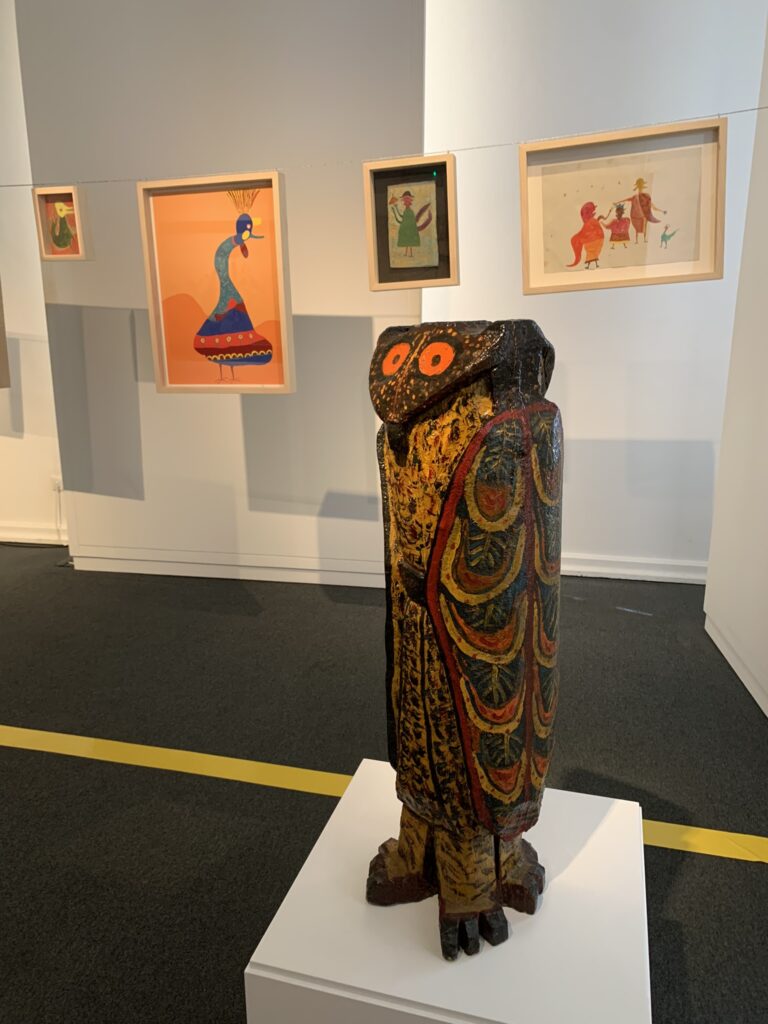
Ethnographic objects connected to ritual and belief systems are also part of the display. These exhibits look at religious customs, folk beliefs, and death practices, presenting elements such as masks, ceremonial garments, and votive offerings. Such items not only reflect the artistic skill but also provide insight into the worldview and values of the communities represented.
The museum’s collection extends beyond the Croatian borders, encompassing examples from neighboring Slavic and Balkan cultures. This regional scope helps visitors understand local culture against a wider cultural background. The cross-cultural objects illustrate the overlaps and distinctions among ethnic groups, often illuminating historical migrations, trade routes, and intercommunity relations.
Photographs, audio recordings, and ethnographic films further complement the collection, providing multi-sensory insights into traditional customs and ways of life. These media help bring a sense of immediacy and human connection to objects that might otherwise seem distant. While these supplementary materials are generally well integrated, the overall emphasis remains on the material culture itself.
Visitors will also find reference to ongoing research and preservation efforts, which underscore the museum’s role as a living institution rather than a static display of the past. By presenting ethnology as an evolving field, the museum challenges visitors to consider how traditions persist or transform in the modern world.
Visitor Experience
The Ethnographic Museum Zagreb is best suited to visitors with at least a moderate level of interest in cultural history, anthropology, and regional traditions. It encourages rather than simplifies its narratives, and so casual visitors may find some parts dense. The layout typically follows thematic or regional lines, which can help navigate the content but may require close attention to signage.
Interpretive materials are generally clear and factual but avoid oversimplification. Exhibition labels tend to provide historical context, ethnographic explanation, and occasionally linguistic notes. However, the level of detail can be uneven; some visitors may wish for more narrative storytelling or personal anecdotes to animate the objects further.
The museum’s atmosphere implies a deliberate pacing: visitors are invited to take their time examining objects without pressure from loud spaces or heavy crowds. However, as a more specialized institution, it might appear less immediately engaging for families with young children or those seeking light entertainment.
The balance between permanent and temporary displays is inclined heavily toward the former, serving as a comprehensive introduction to established ethnographic knowledge rather than frequent novelty. This stability appeals to repeat visitors interested in gradual, deeper learning but limits appeal for those who prioritize new exhibitions or contemporary art stances.
While the museum handles a wide spatial layout, navigating between sections is typically efficient due to clear signage and logical thematic flows. There is a scholarly quality to its organization, reflected also in the presentation style, which remains respectful to the source cultures.
Tickets, Access, and Planning
Practical information about visiting the Ethnographic Museum Zagreb should be verified via the official website to confirm hours, admission policies, and services available on the day of a visit. Public transport and central city location make the museum accessible without a private vehicle. The building’s historic nature may imply certain physical limitations regarding accessibility for visitors with mobility challenges, though more current details should be consulted directly.
As a specialized museum, visitors might want to plan their visit in conjunction with other cultural institutions in Zagreb to maximize the experience of local heritage. Due to the focus on permanent collections, scheduling is generally flexible, but checking for seasonal closures or maintenance is advisable. The museum does not emphasize guided tours or multimedia aids publicly, so visitors reliant on such services should confirm availability beforehand.
Final Verdict
The Ethnographic Museum Zagreb offers a focused and substantial presentation of Croatian and regional folk cultures through its comprehensive ethnographic collections. It stands as a serious cultural institution aimed at visitors interested in tangible aspects of tradition and social history rather than entertainment or transient spectacle.
Its collection of traditional costumes, craft tools, ritual objects, and ethnographic media provides valuable insight into the region’s diversity and historical life. The museum is well organized and thoughtfully curated but may challenge casual visitors due to the depth and density of information presented. Interpretation leans toward scholarly clarity rather than narrative engagement, which suits researchers, students, and serious travelers seeking to enrich their understanding of Balkan ethnography.
While access and visitor experience appear generally positive, architectural constraints and limited visitor amenities should be taken into account with practical planning. The Ethnographic Museum Zagreb represents a steady and respectful approach to cultural preservation and offers meaningful content to audiences prepared for sustained attention and intellectual engagement.
For those interested in the material culture and social history of Croatia and its neighbors, the museum is a reliable destination. It’s less geared toward diverse entertainment needs but fulfills an important role in keeping the region’s ethnographic heritage accessible and relevant for contemporary visitors and scholars alike.