Nikola Tesla Technical Museum
History Museums · Zagreb, Croatia. The Nikola Tesla Technical Museum in Zagreb, Croatia, is a specialized institution dedicated to the history and development of technology, with a particular emphasis on the scientific achievements of Nikola Tesla. Positioned as a…

Best forMuseum lovers, culture travelers, first-time visitors
Setting / nearbyZagreb, Croatia
Overview
The Nikola Tesla Technical Museum in Zagreb, Croatia, is a specialized institution dedicated to the history and development of technology, with a particular emphasis on the scientific achievements of Nikola Tesla. Positioned as a technical museum, it serves both as an educational resource and a cultural repository related to engineering, electricity, and applied sciences. It occupies an important role in Croatia's cultural landscape by connecting local audiences and visitors with the legacy of one of the most influential inventors in electrical engineering.
While the museum focuses on Tesla’s contributions, it also situates his work within the broader context of technological progress, highlighting developments in various fields such as telecommunications, energy, and mechanical inventions. This approach provides an opportunity for visitors to understand how Tesla's innovations influenced and intersected with other technological advances. The museum's choice to spotlight a figure who is internationally recognized but often misunderstood adds layers of both national pride and international curiosity to its narrative.
Collection Highlights
The museum’s collection is centered around electrical and mechanical devices, focusing primarily on the work and inventions of Nikola Tesla. This includes displays related to Tesla coils and other electrical apparatus, which illustrate fundamental principles of electromagnetism and wireless energy transfer. These exhibits often feature models or replicas designed to demonstrate Tesla's theories in a tangible way.
In addition to Tesla-focused items, the museum presents scientific instruments and industrial equipment that chart the evolution of electricity and related technologies from the late 19th century through the 20th century. Visitors can expect to encounter historical electrical devices, early radios, and material related to the beginnings of telecommunications technology, reflecting the technological environment in which Tesla worked and how his technology impacted subsequent developments.
Some exhibits involve hands-on elements or interactive displays intended to engage visitors with technical concepts, though the extent and sophistication of these can vary. The museum is also known to include archival materials such as documents, photographs, and early patents linked to Tesla and other inventors. This archival presence adds depth for those interested in the historical context behind the technical achievements.
While richly focused on science and technology, the collection may feel specialized and technical, particularly to visitors without a prior interest or background in these fields. However, the exhibits are arranged to support educational use, making the museum suitable for students, researchers, and families who want to explore technical history through tangible objects and clear explanations.
Building and Setting
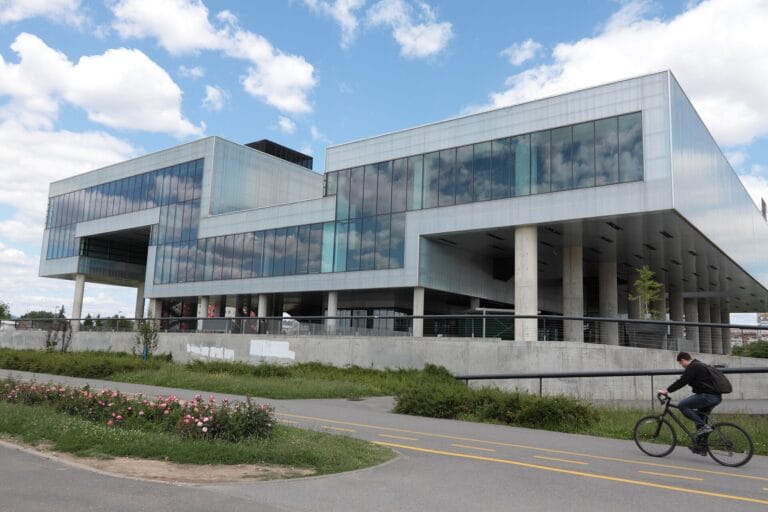
The Nikola Tesla Technical Museum is located in Zagreb, the capital city of Croatia, offering accessibility for both local residents and tourists. It occupies a building designed for its exhibition and educational functions rather than a traditional historic or architecturally landmarked structure. The setting emphasizes utility and the display of large-scale technical exhibits.
Inside, the museum’s layout is organized to facilitate a structured visit through different topics, allowing visitors to progress logically through themes related to Tesla’s work and the broader history of technology. Spacious galleries accommodate sizeable apparatus such as full-scale models and experimental equipment, which might otherwise be difficult to exhibit in smaller or older museum buildings.
The surroundings do not include notable landscaped gardens or outdoor event spaces directly connected to the museum itself. Its urban location places it within reach of Zagreb’s other cultural institutions and amenities, enabling a combined cultural visit to the city.
Practical Information
Visitors intending to visit the museum should check its official website for the most current information regarding opening hours, ticketing, accessibility, and the availability of guided tours or additional visitor services. Since details may change, verifying these aspects beforehand can help avoid any inconvenience.
The museum’s admission policy and potential discounts for students, seniors, or groups are not detailed here and are better confirmed through direct contact or official channels. Similarly, information about audio guides or multilingual materials is not specified and should be checked before planning a visit.
While the museum is designed to be educational and accessible, potential visitors should be aware that the content and presentation are specialized. Those with limited knowledge of electrical engineering or the science of physics might find some exhibits complex, although educational materials and staff assistance may help bridge these gaps.
Why Visit
The Nikola Tesla Technical Museum is particularly suited for visitors with an interest in science and technology, electrical engineering, and the history of innovation. It offers a focused look at Nikola Tesla—not just as a figure of popular legend but through the scientific and technical principles behind his work. This practical approach sets it apart from more general history or art museums and appeals to those wanting to understand technological developments in a concrete and factual way.
Its value lies partly in illuminating Tesla’s impact within a Central European context, connecting visitors with a narrative that extends beyond the well-known myths about his inventions. For students, educators, and specialists, the museum provides access to technical displays and archival materials that can support learning and research.
On the other hand, casual tourists or visitors seeking a broad cultural or artistic experience may find the museum’s specialist focus challenging unless they have a specific curiosity about science or technical history. The exhibitions favor depth over breadth, conveying the complexities of technological innovation rather than offering a general overview of historical events.
Overall, the Nikola Tesla Technical Museum stands as an informative destination in Zagreb for those willing to delve into the scientific and engineering legacy of one of modern history's significant inventors. Its collections and exhibitions emphasize clarity and substance, contributing to public understanding of the often challenging but fascinating world of electrical technology.