Zoma Museum Review
Art Museums · Addis Ababa, Ethiopia. The Zoma Museum, situated in Addis Ababa, Ethiopia, represents a distinct cultural and architectural landmark within the contemporary museum landscape of East Africa. Established with an emphasis on sustainability, local craftsmanship, and co…
Art Museums · Addis Ababa, Ethiopia. The Zoma Museum, situated in Addis Ababa, Ethiopia, represents a distinct cultural and architectural landmark within the contemporary museum landscape of East Africa. Established with an emphasis on sustainability, local craftsmanship, and co…
Best forScience, technology, hands-on learning
Review focusExhibits, interpretation, visitor flow
Historical Context
The Zoma Museum, situated in Addis Ababa, Ethiopia, represents a distinct cultural and architectural landmark within the contemporary museum landscape of East Africa. Established with an emphasis on sustainability, local craftsmanship, and community engagement, the museum embraces themes that are deeply connected to Ethiopia's environmental and social narratives. Unlike conventional museums focused primarily on curated collections, Zoma Museum serves as a dynamic space where art, architecture, and ecology converge, reflecting a broader vision of cultural preservation that extends beyond traditional exhibition formats. Its origins are tied to the work of visionary individuals seeking to create a cultural institution that prioritizes environment-friendly building practices, rooted in local materials, and that fosters dialogue about Ethiopia’s rich heritage as well as contemporary issues. The museum’s physical form, which integrates natural spaces and innovative design, underscores a commitment to rethinking the role of museums in society—not just as repositories of history and art, but as active participants in sustainable development and educational outreach in a global context.
What You See on Arrival
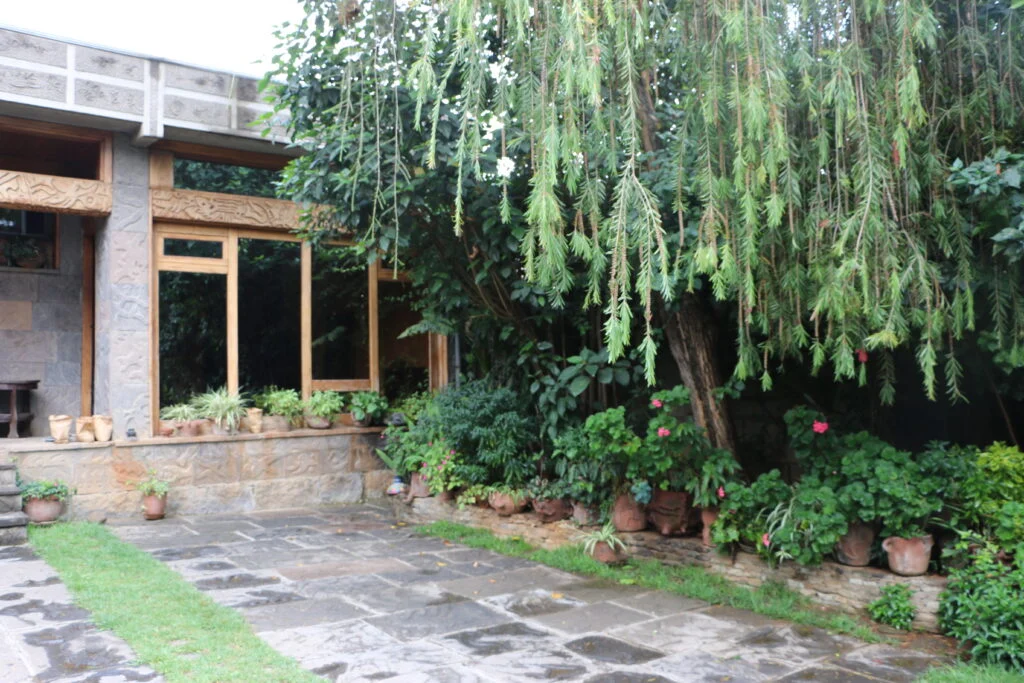
Approaching the Zoma Museum, visitors are immediately struck by the seamless integration of the building with its surrounding environment. Nestled amidst verdant foliage and undulating landscapes characteristic of its Addis Ababa location, the structure itself makes a profound first impression. The museum’s architecture incorporates local materials such as stone, mud, and wood, crafting a sense of place that feels both organic and intentional. Unlike imposing urban museums defined by glass and steel, the museum’s design encourages visitors to pause and appreciate its subtle harmony with nature. Upon arrival, one encounters tranquil courtyards, shaded pathways, and open-air studios that serve as areas for contemplation and interactive learning. This initial experience sets the tone, indicating that Zoma is not just a physical space for viewing objects, but a living environment inviting visitors to engage closely with its surroundings.
Inside, natural light filters through open apertures, enhancing an ambiance of calm and reflection. The museum’s layout resists conventional linear routes, instead offering an exploratory journey, where visitors can meander through interconnected spaces that blend indoor and outdoor elements. The arrival experience at Zoma Museum thereby catalyzes an immediate sense of curiosity and invites a slower, more immersive mode of engagement.
Highlights and Key Exhibitions
The core of Zoma Museum’s appeal lies not only in its architectural ingenuity but also in its commitment to presenting works that resonate with its environmental and social ethos. Permanent displays focus on Ethiopian and East African artists who engage critically with themes of nature, identity, and sustainability. These include installations and multimedia projects that evoke a strong connection to the land and address contemporary ecological challenges.
Artworks on display often challenge traditional museological categorizations by incorporating living plants, recycled materials, and participatory elements that encourage reflection on human-nature relationships. In doing so, the museum fosters a unique dialogue between natural and cultural heritage. Notably, the museum’s collection highlights emerging voices alongside established creatives, underscoring a dedication to nurturing local talent and amplifying diverse perspectives.
In addition to the visual art component, architectural features themselves function as exhibits. Visitors can observe the craftsmanship of mud construction techniques and innovative design solutions tailored to Ethiopia’s climate and resources. This approach turns the museum into a case study in how cultural institutions might operate sustainably while respecting local traditions.
The museum’s programming, although not detailed in terms of temporary exhibitions here, generally supports workshops, artist residencies, and community-led projects. These activities underpin the institution’s mission to empower local communities and extend its impact beyond the physical confines of the museum walls. As such, Zoma Museum is better understood as a multifaceted platform where artistic production, environmental stewardship, and social practice intersect.
Visitor Experience
The visitor experience at Zoma Museum diverges from conventional museum visits through its emphasis on immersion and interaction with both art and environment. The open-air components and informal spatial arrangements encourage guests to take their time exploring and to engage with the exhibits from multiple angles. This non-linear trajectory can be refreshing, although it might present challenges for those accustomed to guided or clearly defined pathways.
Opportunities for deeper engagement are present, especially for those interested in ecological sustainability, architecture, and community-based art practices. Staff and facilitators are typically knowledgeable about the museum’s unique mission and provide context that enhances understanding. However, visitors seeking more conventional art museum experiences — such as chronological collections or extensive written interpretation — may find the approach here less familiar.
The museum’s setting, with its serene gardens and integration of natural elements, can be particularly appealing for visitors looking to experience art within a peaceful, contemplative environment. Quiet spots and shaded areas offer places for reflection or study, complementing the intellectual and sensory experience.
Given the museum’s community-oriented ethos, there is also an undercurrent of educational interaction, with opportunities for workshops or discussions that extend learning beyond the visual display. This participatory aspect makes the museum an attractive destination for educators, students, and those interested in cultural sustainability.
Tickets, Access, and Planning
When planning a visit to the Zoma Museum, it is important to consider practical matters such as ticketing, operating hours, and accessibility. The institution typically offers reasonable entry fees, reflecting its commitment to accessibility and community inclusion rather than commercial profit. Exact pricing and opening times may vary, so prospective visitors are advised to consult the museum’s official website or contact the administration directly for the latest information.
Access to the museum is generally straightforward from central Addis Ababa, though visitors should be aware that public transport options might require additional time compared to private or hired vehicles. The location benefits from being situated within a green urban area, making it a valuable respite from the city’s bustle.
Regarding physical accessibility, the museum’s design prioritizes natural materials and terrain, which may pose challenges for visitors with mobility impairments. While modest accommodations might be in place, the open-air and organic layout means that those requiring assistance should inquire ahead to ensure satisfactory arrangements.
Given the emphasis on sustainability and community involvement, it is advisable to plan visits with an openness to engage with the broader mission of the museum rather than expecting a purely passive viewing experience. This may involve allocating time for interaction, participation in scheduled events, or simply exploring the grounds at a leisurely pace.
Final Verdict
The Zoma Museum stands as an inspiring and innovative cultural institution emerging from the heart of Addis Ababa, presenting a fresh model for museums in the 21st century. Its integration of art, architecture, and ecology challenges traditional museum paradigms and offers visitors a distinctive experience grounded in sustainability and local identity. While it may not fulfill the expectations of those seeking extensive permanent collections or conventional exhibition formats, it compensates through its pioneering ethos and profound sense of place.
Strengths of the museum include its commitment to environmental stewardship, support for emerging Ethiopian artists, and fostering of community engagement. The architectural approach serves both as a functional space and as an educational tool, raising awareness of ecological and cultural issues through lived example. For visitors interested in contemporary art that dialogues with nature and social practice, Zoma offers a rewarding encounter.
On the other hand, the museum’s informal layout and emphasis on participatory elements may not suit every visitor. Those who prefer a traditional museum experience complete with guided tours and extensive interpretative material might find Zoma’s approach somewhat unconventional. Additionally, access considerations related to the natural terrain should be weighed beforehand.
Ultimately, the Zoma Museum represents a significant contribution to Ethiopia’s cultural landscape and offers valuable insights into how museums can expand their roles in addressing contemporary global challenges. It invites reflection on the interplay between heritage and innovation, making it a compelling destination for an inquisitive and environmentally conscious audience.