Museo Casa Carlos Gardel Review
Buenos Aires, Argentina. The Museo Casa Carlos Gardel is dedicated to the life and legacy of Carlos Gardel, one of Argentina’s most influential cultural figures and a defining voice in the development of tango music worldwide. Born…
Buenos Aires, Argentina. The Museo Casa Carlos Gardel is dedicated to the life and legacy of Carlos Gardel, one of Argentina’s most influential cultural figures and a defining voice in the development of tango music worldwide. Born…
Best forMuseum lovers, culture travelers, first-time visitors
Review focusCollections, visitor experience, and practical planning
Historical Context
The Museo Casa Carlos Gardel is dedicated to the life and legacy of Carlos Gardel, one of Argentina’s most influential cultural figures and a defining voice in the development of tango music worldwide. Born in the late 19th century, Gardel became a symbol of Argentine identity and is often credited with popularizing the tango beyond its local origins, elevating it to an internationally recognized art form. The museum is located in Buenos Aires, the city most closely associated with Gardel's career and the grounding place for tango’s evolution. It occupies a historical building linked to Gardel’s life, aiming to preserve not only artifacts related to the artist but also the atmosphere of his era and milieu.
The museum emerged from a desire to conserve Gardel’s heritage in a manner that transcends mere memorabilia. It reflects a broader cultural interest in tango’s historical and social dimensions—a genre born in working-class neighborhoods and immigrant communities, later adopted by diverse audiences worldwide. In this way, the museum serves dual purposes: preserving the mythos of Gardel himself and situating his contributions within the wider tapestry of Argentine cultural history. It also touches on aspects of the evolution of music, media, and film in early 20th-century Latin America, given Gardel's crossover into cinema and recording technologies that helped amplify his fame.
What You See on Arrival
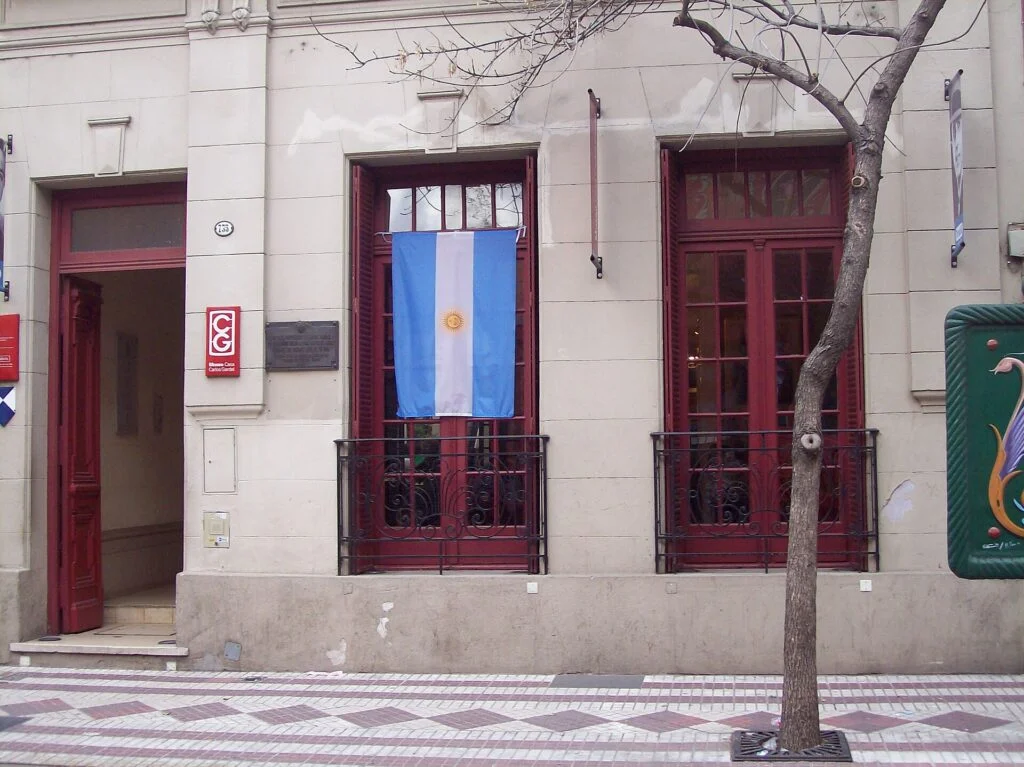
Upon approach, visitors are likely greeted by the museum’s unassuming façade, consistent with typical early 20th-century architecture in Buenos Aires. The building’s exterior is not ostentatious, which might initially surprise those expecting a grand monument to a figure of Gardel’s stature. This subtlety aligns with the museum’s effort to present a more intimate, domestic perspective on the artist’s life, fitting for a “casa” or house museum rather than a vast institutional complex.
Signage and entrance arrangements transparently indicate the museum’s focus on Gardel and his era. Visitors encounter a clear thematic framing—anticipating displays centered around music, vintage cultural artifacts, and personal history. The surrounding neighborhood, part of Buenos Aires’s San Telmo district, contributes to the historic ambiance, famous for its colonial buildings and its connection to tango’s roots.
The identity of the museum is thus expressed not only through its contents but through its setting and architectural modesty. This suggests a visitor experience grounded in closeness to the subject, emphasizing personal history over grand spectacle.
Highlights and Key Exhibitions
The core of the Museo Casa Carlos Gardel’s collection comprises personal items, photographs, original recordings, and memorabilia related to Gardel’s life and career. These elements collectively provide a narrative arc from his early days through his rise to international stardom. The exhibits trace his professional trajectory as a singer, composer, and actor, offering insight into the social conditions and cultural environment that shaped his work.
The museum houses a variety of Gardel’s original costumes and stage attire, which underline the theatricality integral to his performances. There is also an emphasis on tangible connections to his musical legacy, including early phonograph discs and recording equipment that document the technological advances of his time. These items not only enrich understanding of Gardel himself but also contextualize the evolution of music recording in Argentina and Latin America more broadly.
Photographs and personal correspondence feature prominently, allowing visitors to gain a more personalized understanding of Gardel’s relationships and public image. Together, these materials illuminate Gardel’s multifaceted role as an artist navigating fame amid early cinematic ventures. Objects associated with his film career, including posters and stills, reveal how Gardel helped popularize tango worldwide through the medium of sound film in the 1930s.
In addition to Gardel-specific items, there are displays dedicated to the broader history of tango music. These explore origins in Afro-Argentine and immigrant cultures, illustrating the genre’s complexity beyond the figure of Gardel himself. This contextual material is essential for appreciating Gardel’s place within a musical tradition continuously evolving due to social and cultural influences.
One notable aspect of the museum’s holdings is the archival audio component. Visitors may find listening stations offering selections of Gardel’s most famous songs, such as “Mi Buenos Aires Querido” or “El día que me quieras.” These recordings help animate the experience, connecting the visual and textual exhibits to the sound that made Gardel a defining figure for generations.
Although the museum’s permanent collection focuses consistently on Gardel, it is not limited to idolization. It provides nuanced details about his life, including his tragic death in a plane crash in 1935, and the subsequent mythification process that enshrined him in Argentine culture. This reflective perspective lends depth to the narrative without diminishing Gardel’s artistic achievements.
Visitor Experience
For visitors, the Museo Casa Carlos Gardel presents a relatively focused, intimate experience. The scale of the museum is modest compared to major national institutions, which means pacing is generally manageable within a single visit. This makes it a good choice for those particularly interested in cultural history, music, or Argentine identity, rather than casual tourists looking for more general or diversified collections.
Interpretation is available primarily through labels, photographs, and curated displays. The museum’s approach favors concrete historical detail and personal story over high-tech or interactive features. For some visitors, especially those less familiar with tango or Latin American history, this straightforward presentation may feel a little sparse. However, enthusiasts of music history and early 20th-century Argentine culture will likely appreciate the clarity and specificity of the exhibits.
The layout and exhibition design emphasize a chronological flow that helps visitors follow Gardel’s biography alongside the development of his art form. This method encourages a sense of narrative continuity. However, the museum’s relatively small size means it cannot provide exhaustive coverage of every aspect of Gardel’s impact or the full scope of tango history. Those looking for extensive academic resources might find the offerings limited, as the museum’s focus is clearly on public engagement rather than specialized research.
One aspect that benefits the visitor experience is the museum’s location within San Telmo, a district steeped in tango history. This situates the museum within a broader cultural context visible in its surroundings, from street performances to local tango clubs nearby. While the museum itself does not replicate these live experiences, it offers a solid informational foundation.
Planning a visit may require some flexibility. Because this is a niche museum with limited space, visitor flow might be slower during peak local tourist seasons or cultural festivals in Buenos Aires. Checking the latest details on the official site before planning a visit is advisable. This ensures awareness of current opening hours and any public health measures that might intermittently affect access.
Tickets, Access, and Planning
Details concerning tickets, entry fees, and visitor amenities at the Museo Casa Carlos Gardel vary over time and should be confirmed directly via official channels. Prospective visitors are advised to consult the museum’s website or contact its administration for the most current information on admission costs, discounts, guided tours, and audio guide availability.
Accessibility information is important but not fully standardized for smaller museums such as this. Visitors requiring mobility accommodations or other special support should inquire in advance. Similarly, while the San Telmo area is well served by public transport, those planning to drive or seeking parking options will need to prepare as information on parking facilities affiliated with the museum is not routinely published.
The intimate size of the museum means that large groups might feel cramped, and public events or school visits could affect visitor experience on some days. For this reason, planning a weekday visit or off-peak hour approach might be beneficial. The museum’s official communication channels will provide guidance on opening days and hours, which are subject to adjustments depending on season and local events.
Final Verdict
The Museo Casa Carlos Gardel occupies an important niche in Buenos Aires’s cultural landscape as a site dedicated to one of Argentina’s most significant artistic figures. Its focused collection offers visitors a tangible connection to Gardel’s life, music, and era, alongside contextual material about the emergence and evolution of tango music. The museum excels in providing a clear and concrete narrative centered on primary objects such as personal items, photographs, costumes, and original recordings.
However, its relatively small scale and concentrated scope mean it will appeal primarily to visitors with specific interests in Gardel, tango, or Argentine music history. Those seeking broader or more interactive experiences might regard the presentation as somewhat limited or traditional. By the same token, the museum’s modesty in architecture and exhibition style adds to its atmosphere of personal history rather than overwhelming spectacle.
Practical considerations also underline the need for careful advance planning to accommodate visitor schedules and accessibility needs. The museum fits well into a broader exploration of Buenos Aires’s historic neighborhoods, but it does not function as a comprehensive resource for all aspects of Argentine popular culture or tango history.
In sum, the Museo Casa Carlos Gardel provides a focused, informative, and situationally rich experience for those intrigued by one of Argentina’s most enduring cultural icons, with clear strengths in its primary documentation and careful contextualization. Visitors planning a trip should consult official sources to prepare accordingly and manage expectations regarding size and interpretative style.